
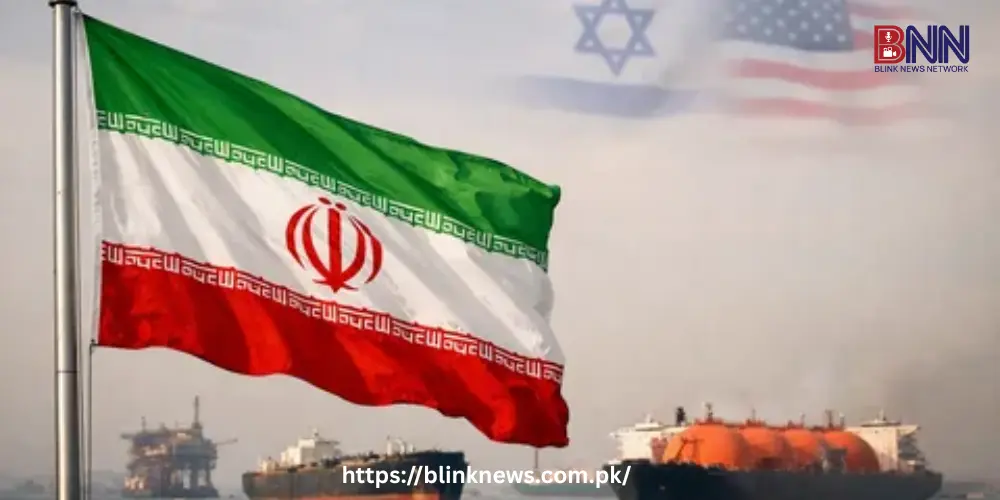
Global financial markets witnessed notable shifts as the US dollar weakened alongside oil prices following emerging signals that the ongoing Iran conflict could approach a rapid resolution. Investor sentiment appeared to ease after statements suggested that tensions in the Middle East might begin to stabilize, prompting a shift in asset allocation.
Historically, geopolitical instability in the Middle East tends to push oil prices higher due to the region’s critical role in global energy supply. The recent uptick in optimism, however, countered this trend. Comments from officials and analysts indicating potential progress toward de-escalation reduced market fears of a prolonged conflict, leading to a modest drop in crude prices.
Oil benchmarks, including Brent and WTI, declined slightly as traders adjusted expectations, while the US dollar, which had previously strengthened amid uncertainty, also softened. The dollar typically benefits during crises as investors seek safe-haven assets, but the prospect of easing tensions prompted a rotation back to riskier holdings and diversified portfolios.
Market analysts noted that the shifts underscore how sensitive global finance remains to geopolitical developments in energy-rich regions. “Even preliminary signs of diplomatic progress can trigger meaningful adjustments across currencies and commodities,” one official familiar with market movements stated, emphasizing that the situation remains fluid.
Financial institutions are now closely monitoring statements from regional leaders, international mediators, and military officials for further clarity on the conflict’s trajectory. Investors are particularly attentive to whether talks will translate into tangible reductions in hostilities or whether intermittent clashes may reignite market volatility.
While the current decline in oil prices and the dollar reflects cautious optimism, economists warn that the global energy market remains vulnerable. Supply disruptions in Iran or neighboring regions could quickly reverse these trends, underlining the continued influence of Middle Eastern stability on global financial systems.
As markets recalibrate, analysts expect heightened trading activity and volatility to persist in the near term, with attention on diplomatic developments, sanctions, and military movements. The evolving situation highlights how geopolitical risk continues to shape investor behavior, currency strength, and commodity pricing across the world.
For now, market participants are adopting a wait-and-see approach, balancing optimism over a potential resolution with caution amid lingering uncertainties. How the conflict unfolds in the coming days will be pivotal in determining the next phase of financial market adjustments and global energy pricing.
Read more posts on Blink News Network