
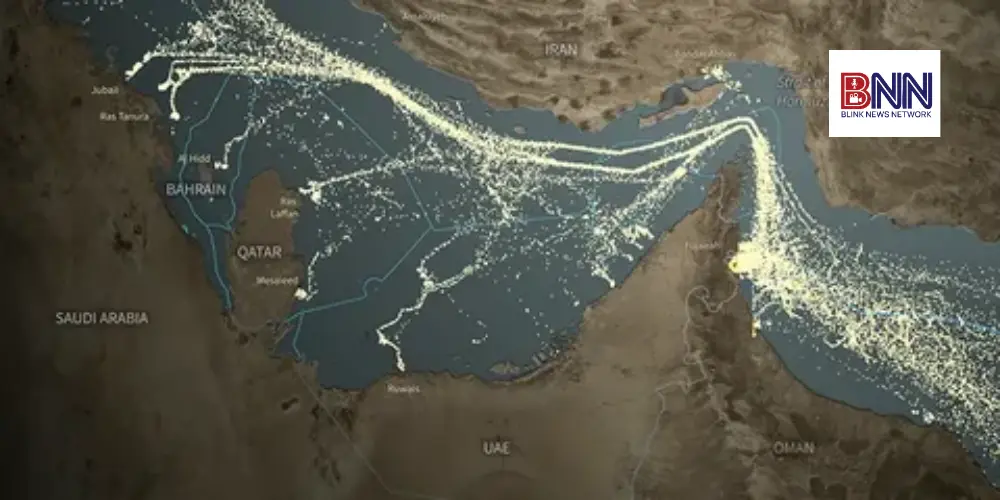
Iran changes shipping rules in one of the world’s busiest oil corridors. The move follows weeks of conflict and disruption.
Tehran now directs ships to use alternative paths through the Strait of Hormuz. The goal is clear. Reduce risk from sea mines and restore limited traffic.
What Iran announced
Iran’s Revolutionary Guards issued new guidance for all vessels:
• Ships must avoid main transit lanes due to sea mine risk
• Alternative entry and exit routes are now in place
• All vessels receive instructions before crossing
• Safety compliance is mandatory for passage
The decision comes after Iran agreed to reopen the strait under a two-week ceasefire.
Why this matters
The Strait of Hormuz handles about one-fifth of global oil supply.
Any disruption hits energy markets fast.
Recent impact shows the scale:
• Shipping traffic dropped sharply after closure
• Oil prices surged during the blockade
• Hundreds of vessels faced delays or rerouting
You should watch this closely if you track energy, shipping, or global trade.
What changes for shipping
You face tighter controls and higher risk management needs.
Key shifts:
• Routes are longer and more complex
• Insurance costs are rising
• Military coordination affects transit time
• Only approved paths are considered safe
Some operators avoid the region entirely. Others move under strict guidance.
Market reaction
Oil markets remain unstable.
Even with partial reopening:
• Supply chains face delays
• Freight costs stay elevated
• Energy traders price in risk
Traffic levels remain far below normal.
What to expect next
Short term outlook:
• Controlled reopening continues
• Traffic increases slowly
• Risk remains high due to mines and tensions
Long term signals:
• Iran strengthens control over shipping lanes
• Global players look for alternative energy routes
• Strategic chokepoints gain more attention
What you should do
If you operate in energy or logistics:
• Track official route updates daily
• Review insurance exposure
• Plan for delays and rerouting
• Diversify supply paths where possible
The Strait of Hormuz remains open, but not normal. The rules have changed.