
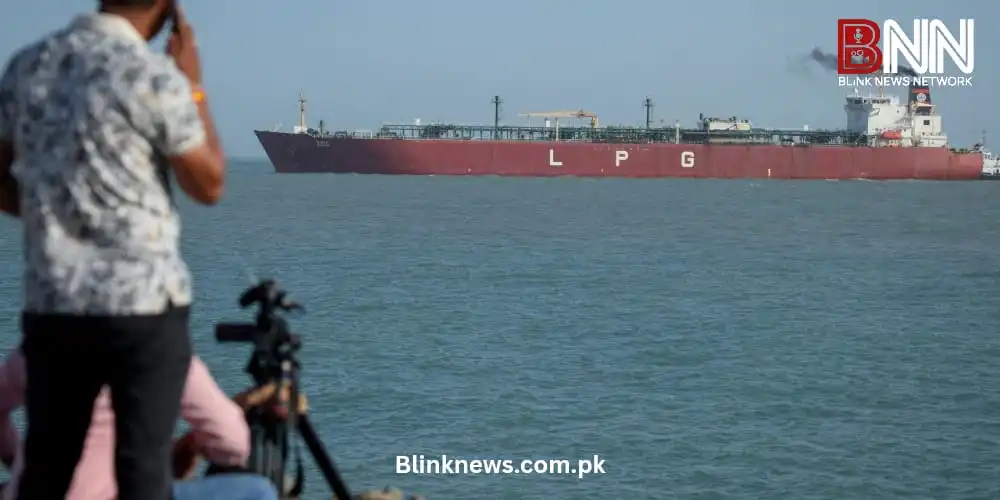
The United States military said Monday it is preparing to blockade all Iranian Gulf ports in what could become one of the most serious escalations between Washington and Tehran in recent years. The announcement came through senior defense officials who claimed the move is part of a wider effort to stop what they described as growing Iranian military threats in the region. The decision has sent shockwaves through global markets and raised fears of a direct confrontation in one of the world’s most critical energy corridors.
According to Pentagon officials, the naval operation will involve a large deployment of warships, surveillance aircraft, and support vessels across the Persian Gulf. Military planners say the blockade aims to restrict all maritime access to Iran’s main southern ports, including Bandar Abbas, Bushehr, and Khorramshahr. Officials claim the operation is intended to stop the movement of military supplies and pressure Tehran after weeks of rising tension.
Iran has condemned the move and called it an act of war. A spokesman for Iran’s foreign ministry said any attempt to block Iranian ports would face an immediate response from the country’s armed forces. Iranian military commanders warned state media that their navy and missile units remain on full alert. They said any foreign ship involved in hostile action near Iranian waters would be treated as a military target.
The White House has not released full details on the timing or scale of the blockade, yet defense officials said operations could begin within hours. President Joe Biden met with top military advisers late Sunday night before the final order was approved. Sources close to the administration said the president was briefed on intelligence reports that claimed Iran had increased weapons transfers to allied groups in the Middle East.
Oil prices jumped sharply after the announcement. Brent crude rose more than 7 percent in early trading as investors reacted to fears that conflict in the Gulf could disrupt global supply. Nearly one fifth of the world’s oil passes through the Strait of Hormuz, a narrow waterway near Iran that remains one of the most sensitive shipping routes on earth. Analysts warned that even a short disruption there could trigger major price spikes and economic pressure across global markets.
Regional governments are now watching closely. Saudi Arabia, the United Arab Emirates, and Bahrain have increased military readiness around key infrastructure sites. Gulf states fear they could become targets if fighting spreads beyond Iranian waters. Israel has also raised its alert status and placed missile defense systems on standby amid concern that Iranian-backed groups across the region may launch retaliatory strikes.
Russia and China both criticized the American decision within hours of the announcement. Moscow urged restraint and called for urgent talks at the United Nations Security Council. Beijing said military pressure would worsen an already unstable region and warned against steps that threaten international trade routes. European leaders have also expressed alarm and called for immediate diplomacy to prevent the crisis from spiraling.
Military experts say a blockade of this scale would mark a major turning point in US-Iran relations. Naval blockades are widely viewed as acts of aggression under international law, especially if they prevent civilian shipping from entering or leaving ports. Former Pentagon officials said such a move carries high risk and leaves little room for de-escalation once enforcement begins.
The US Navy already has a major presence in the region through the Fifth Fleet, which is based in Bahrain. In recent days, satellite images showed increased American naval movement near the Gulf, including aircraft carriers and guided missile destroyers entering nearby waters. Defense analysts said the buildup suggested military action had been under consideration for some time.
Inside Iran, state television aired footage of military exercises Monday morning, showing naval units and missile batteries positioned along the coast. Crowds gathered in Tehran and other cities chanting anti-American slogans after news of the blockade spread. Iranian leaders vowed the country would not back down under pressure and said its economy and sovereignty would not be held hostage by foreign threats.
The latest crisis follows months of growing friction between both nations. Tensions rose after attacks on shipping vessels in regional waters, drone strikes involving militia groups, and repeated warnings from US officials about Iran’s nuclear activity. Diplomatic talks aimed at restoring calm had stalled in recent weeks, leaving military channels as the main point of contact between both sides.
As the world watches events unfold, fears are growing that one misstep in the Gulf could ignite a much wider war. Traders, diplomats, and military leaders are all bracing for what comes next as American forces prepare to carry out one of the boldest actions taken against Iran in decades. If the blockade begins as planned, the next 24 hours may shape the future of the Middle East and global security for years to come.