
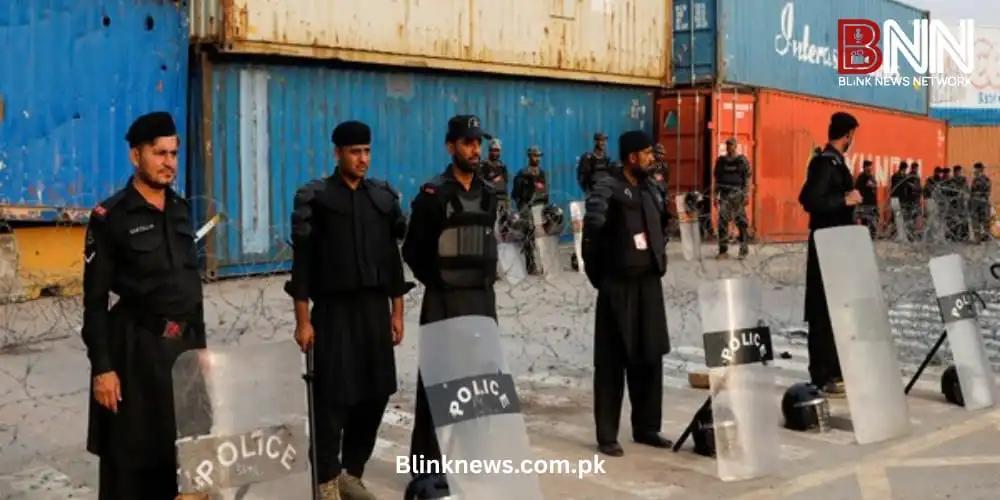
Karachi witnessed an alarming surge in street crime during March 2026, sparking fresh concerns over public safety and law enforcement across Pakistan’s largest city. Reports from political leaders and local officials say residents faced a sharp rise in robberies, mobile snatching, vehicle theft, and armed muggings throughout the month, adding to growing frustration among citizens already struggling with inflation and economic pressure.
The worsening situation has once again pushed law and order to the center of public debate, with many Karachi residents saying no area now feels fully safe. Armed robbers continue to target people on roads, in markets, and outside homes, often carrying out attacks in broad daylight. Witnesses and victims claim criminals are operating with little fear, even in busy neighborhoods where police patrols are present.
Political parties have strongly criticized the Sindh government over the rise in crime. Members of MQM-P said the security situation in Karachi has sharply deteriorated and accused authorities of failing to protect citizens from daily criminal activity. Party lawmakers argued that the city has effectively been left at the mercy of criminals, with violent robberies and fatal shootings becoming a regular part of life.
Recent figures shared by political leaders show more than 12,000 street crime incidents were documented in Karachi during the first three months of 2026, highlighting the scale of the issue. The cases include thousands of mobile phone snatchings, motorcycle thefts, and armed robberies. More than 18 people were reportedly killed during robbery resistance incidents in that period, with over 50 others injured.
March alone saw a noticeable spike in public complaints, with residents flooding social media with reports of muggings and theft across major areas including Gulshan-e-Iqbal, Korangi, North Karachi, Shah Faisal Colony, and Clifton. Many victims described being robbed at gunpoint by suspects riding motorcycles, a tactic long associated with street crime in the city.
Citizens say fear has become part of daily life. Many residents now avoid carrying expensive phones, cash, or jewelry when leaving home. Businesses in several areas have increased private security measures after repeated thefts and attacks near shops and commercial centers. Parents say they worry about sending children out alone, even during daylight hours.
Karachi police maintain that efforts are underway to crack down on criminal gangs, yet criticism continues to grow over weak enforcement and poor response times. Residents and opposition figures argue that arrests alone have not stopped repeat offenders from returning to the streets. Some also claim many crimes go unreported due to frustration with the FIR registration process and lack of confidence in police action.
Security analysts warn that the city’s economic troubles may be contributing to the rise in crime. With inflation remaining high and unemployment affecting thousands of households, experts say financial desperation is pushing more individuals toward criminal activity. They also point to illegal weapons and organized gang networks as factors worsening the law and order crisis.
Business groups have voiced concern that the crime surge is damaging Karachi’s economy. Traders say customers are increasingly afraid to visit markets at night, and delivery drivers face growing risks while transporting goods. Industrial leaders have urged provincial authorities to treat the issue as an emergency before the city’s business climate suffers further.
The Sindh government has defended its efforts and insists operations against criminals are continuing. Senior police officials recently claimed that overall crime rates had shown signs of decline in some categories, though many residents dispute that view and say reality on the streets tells a different story.
As pressure mounts, calls are growing for urgent reforms in policing, surveillance, and criminal justice across the city. Citizens want more patrols, faster emergency response, and tougher punishment for repeat offenders. Many say promises are no longer enough and demand visible results from those in power.
For now, Karachi’s streets remain tense as another month of rising violence leaves residents anxious and angry. With crime dominating headlines and public confidence falling, authorities face mounting pressure to restore order before the situation worsens further.