
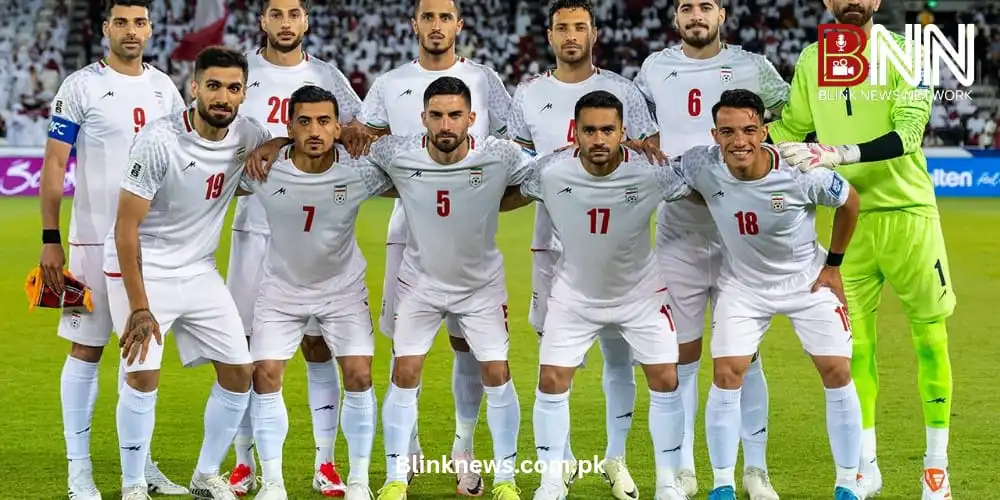
As tensions continue to simmer between Washington and Tehran following months of military confrontation and diplomatic hostility, the city of Tucson, Arizona, is quietly preparing to host Iran’s national football team for the 2026 FIFA World Cup.
Despite the political uncertainty surrounding Iran’s participation in the tournament, local authorities and World Cup organizers continue preparations to welcome Team Melli as part of FIFA’s plans for the global football spectacle. The contrast between geopolitical tensions in the Middle East and the sporting atmosphere in the United States has placed Tucson at the center of an unusual diplomatic and cultural moment.
Iran secured qualification early for the 2026 FIFA World Cup and entered Group G alongside Belgium, New Zealand, and Egypt. The team will play its matches in the United States, while Tucson will serve as its training and base camp location during the tournament.
The preparations come only weeks after a fragile ceasefire reduced tensions following a military confrontation involving the United States, Israel, and Iran. The conflict sparked serious concerns about Iran’s participation in the World Cup. Iranian officials questioned the safety of players and supporters traveling to the United States, while some political figures in Washington suggested replacing Iran in the tournament.
However, FIFA President Gianni Infantino recently confirmed Iran’s participation in the competition and emphasized FIFA’s commitment to allowing all qualified nations to compete. US President Donald Trump also signaled support for Iran’s participation despite broader political disputes between the two countries.
Local officials in Tucson now focus on logistics, security, and community engagement instead of international politics. Hotels, training facilities, and transport networks continue coordinating arrangements for the Iranian delegation. Residents and business owners hope the World Cup will bring economic benefits and international attention to the Arizona city.
At the same time, security concerns continue to rise. Authorities in host cities, including Los Angeles, Seattle, and Tucson, closely monitor risks linked to Iran’s presence during the tournament. Analysts believe Iran’s participation in a US-hosted World Cup could trigger political demonstrations and force authorities to tighten security around matches and team facilities.
Iran’s football federation also demanded guarantees regarding visas, player safety, and respectful treatment of the Iranian flag and national anthem during the competition. Officials in Tehran insist that players, staff, journalists, and fans should enter the United States without additional political scrutiny.
Meanwhile, Iran’s national team continues preparations for the tournament. Coaches and officials have scheduled training camps and friendly matches ahead of the squad’s arrival in the United States next month. Iranian football authorities say the team remains focused on football despite the political climate surrounding the tournament.
For Tucson, officials face the challenge of balancing hospitality and security while avoiding the political tensions that continue to dominate headlines. Local organizers say they want the city to focus on football rather than conflict as the world prepares for one of the biggest sporting events of 2026.