
The International Monetary Fund (IMF) has reportedly urged Pakistan to increase taxes on solar panels and electric vehicles (EVs) as part of broader fiscal reforms being discussed for the FY2027 federal budget. The proposed measures are aimed at boosting government revenues and meeting ambitious tax collection targets agreed under Pakistan’s ongoing IMF programme.
According to sources within the Finance Ministry, the IMF mission recently concluded budget negotiations with Pakistani authorities before returning to Washington. During the talks, both sides reportedly discussed tax reforms, energy sector policies, revenue generation strategies and fiscal consolidation measures for the upcoming financial year.
Sources revealed that Pakistan and the IMF have reached an understanding on tax measures worth nearly Rs1,100 billion at both federal and provincial levels. The federal government is expected to introduce around 230 new taxation measures aimed at generating approximately Rs370 billion in additional revenue, while provinces are likely to contribute another Rs430 billion through separate fiscal initiatives.
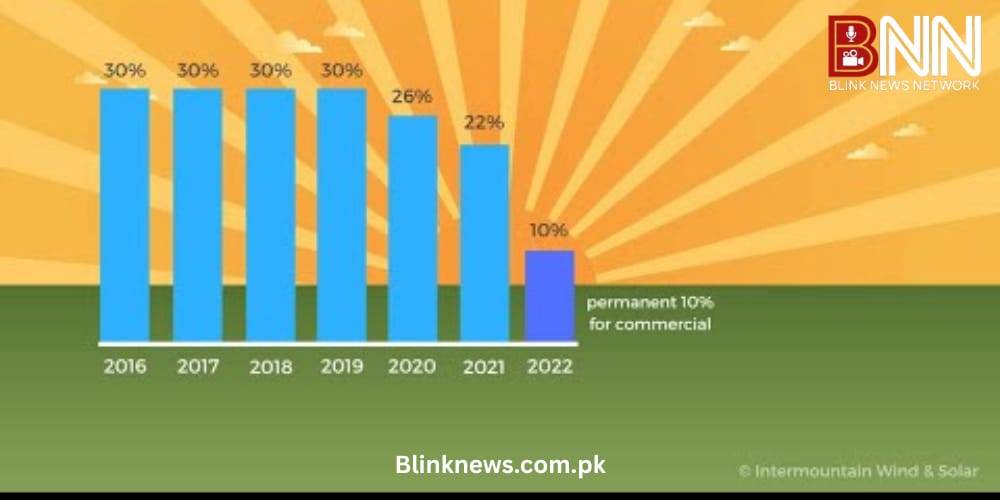
Among the most significant proposals is an increase in sales tax on solar panels from the current 10 percent to 18 percent starting July 1, 2026. The IMF has also suggested raising the sales tax on electric vehicles from one percent to 18 percent, a move that could substantially increase the cost of EV adoption in Pakistan.
The proposed tax hikes have already sparked concerns among renewable energy advocates and industry experts, who warn that such measures could slow Pakistan’s transition toward clean energy solutions. Pakistan has witnessed rapid growth in solar energy adoption over the past few years due to rising electricity prices and increasing public interest in alternative energy sources.
Experts fear that imposing heavier taxes on solar imports may discourage households and businesses from investing in renewable technologies at a time when the country is already struggling with energy shortages and soaring electricity tariffs. Industry representatives argue that higher taxes could increase installation costs significantly and weaken momentum in the clean energy sector.
Meanwhile, the Federal Board of Revenue (FBR) has reportedly been assigned a tax collection target exceeding Rs15 trillion for the next fiscal year. Additional revenue is also expected through stricter tax audits, digital invoicing systems and the expansion of the tax net to include more retailers and non-filers.
The IMF has further emphasized fiscal discipline and urged Pakistan to maintain a primary budget surplus target of two percent of GDP in FY2027. The lender has also recommended avoiding new tax exemptions and gradually withdrawing incentives currently available to Special Economic Zones by 2035.
While government officials insist that discussions with the IMF remain ongoing, the proposed taxation measures are expected to trigger debate among consumers, businesses and environmental groups ahead of the announcement of the FY2027 budget.