
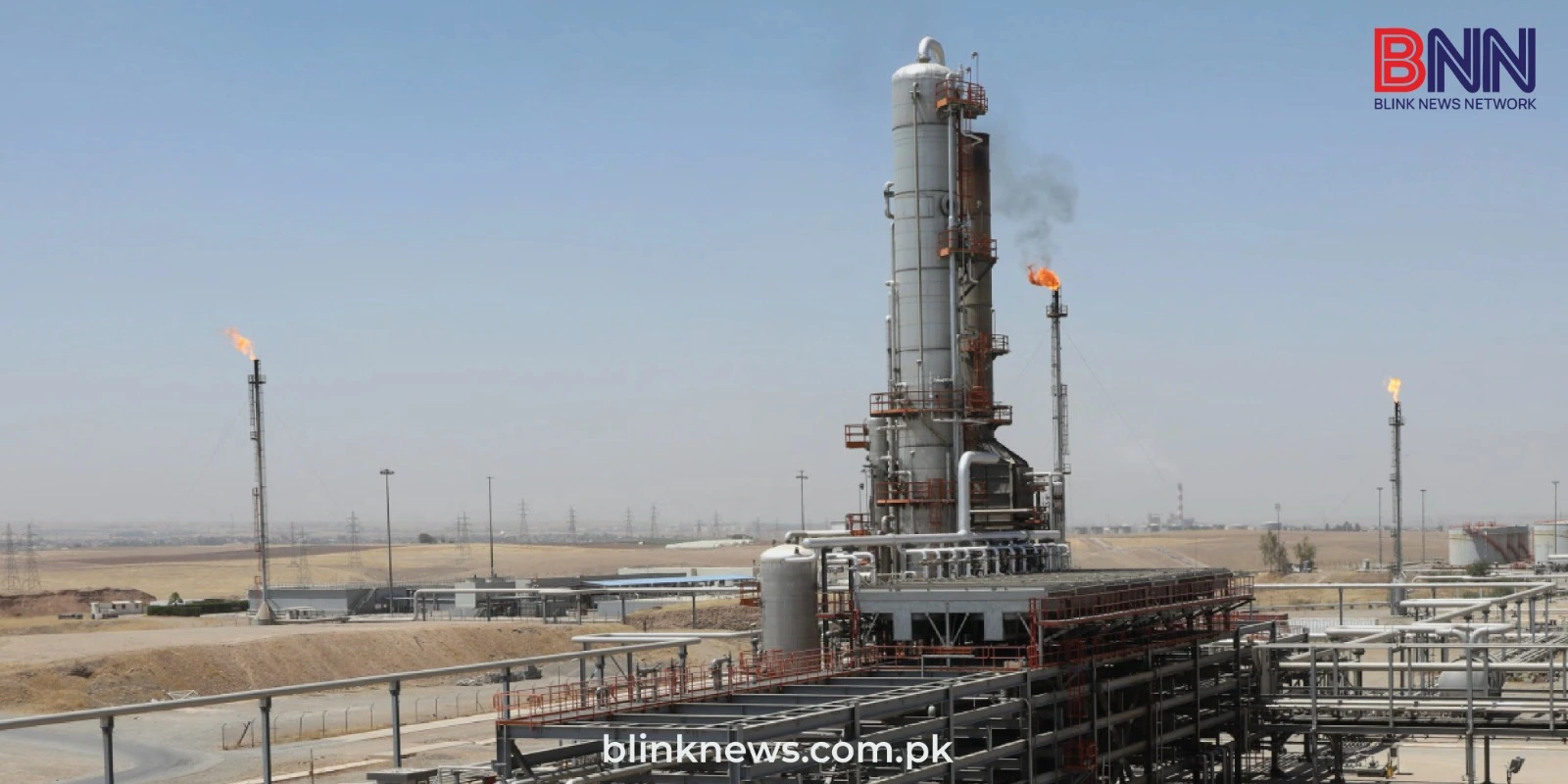
Oil prices eased slightly on Wednesday following a key agreement between Iraqi federal authorities and Kurdish officials to restart oil exports from the Kurdistan region. The deal, aimed at resolving long-standing disputes over production and revenue-sharing, is expected to restore a significant portion of oil previously withheld from official channels.
The Kurdistan region, which has extensive oil reserves, had been exporting crude independently for years, often bypassing Baghdad’s central oversight. Legal and political disagreements over payments, contracts, and revenue distribution had halted formal exports, removing millions of barrels from the global market. This disruption contributed to elevated oil prices over the past year, adding pressure on economies already grappling with inflation and energy costs.
According to energy analysts, the recent agreement paves the way for the Kurdistan region to resume deliveries through official pipelines to international buyers. Officials familiar with the matter stated that while exact volumes and timelines are still being finalized, the resumption of exports could increase supply steadily over the coming weeks. Analysts note that higher supply levels typically ease market pressure, which helps stabilize or reduce crude prices.
Global markets responded with cautious optimism. Traders in Europe and Asia noted the deal as a potential buffer against further price volatility. Economists suggest that countries heavily reliant on imported fuel, including Pakistan, could see modest relief in domestic energy costs if the supply flow remains uninterrupted.
The agreement is also being viewed as a positive signal for Iraq’s internal cohesion. For years, disputes between Baghdad and Erbil have deterred investment in the country’s energy sector, creating uncertainty for foreign partners. By reaching a compromise, both sides may improve investor confidence, opening doors for infrastructure projects and longer-term development in the oil-rich region.
However, experts caution that the situation remains fragile. Political tensions, delays in implementing the agreement, or shifts in regional dynamics could once again disrupt supply chains. “This is a constructive step, but the follow-through will be key,” said one energy policy analyst.
For now, global oil markets have responded with a sense of cautious relief. Observers will be watching closely to see whether the Kurdistan region’s exports are fully restored on schedule and how this will influence pricing trends in the coming months. Any sustained increase in supply could temper market volatility, while setbacks could reignite upward pressure on crude prices.
As Iraq and the Kurdistan region move toward operationalizing the agreement, the broader impact on global energy stability and regional economic confidence will remain a critical indicator for investors and policymakers alike.
Read more posts on Blink News Network