
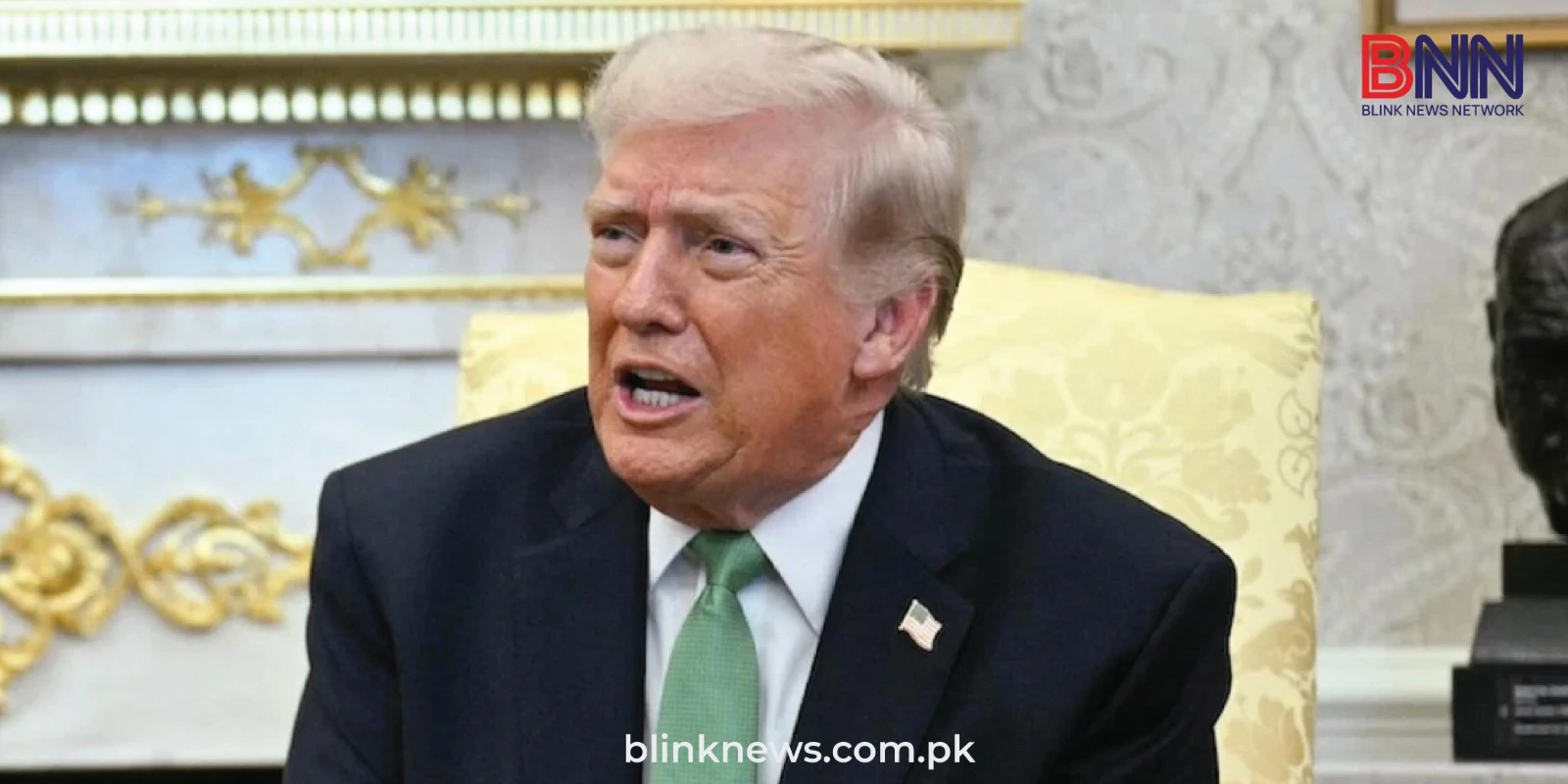
Former US President Donald Trump has sharply criticized NATO’s handling of the ongoing tensions with Iran, calling the alliance’s approach a “foolish mistake.” Trump’s remarks come amid reports that key NATO members, including France, Germany, and the United Kingdom, have opted against direct military involvement, citing concerns that intervention could escalate the conflict.
The current standoff with Iran has heightened global attention, particularly over the strategic Strait of Hormuz, through which a significant portion of the world’s oil supply passes. NATO’s cautious stance reflects a broader preference among European allies to pursue diplomatic solutions rather than risk confrontation in an already volatile region. According to initial reports, these countries are wary of actions that might trigger wider military engagement or disrupt fragile regional stability.
Trump expressed frustration at what he perceives as a lack of commitment from US allies, arguing that stronger support is necessary to safeguard global trade routes and strategic interests. “We have the strength to handle this ourselves, but it’s disappointing when allies choose caution over decisive action,” he said during a recent public statement. While the former president did not outline a specific course of action, his comments signal ongoing pressure on the United States’ traditional partners to align more closely with Washington’s security priorities.
Analysts suggest this tension underscores a growing divide between the United States and NATO members over how to manage relations with Iran. Whereas Washington has historically taken a more assertive approach, European nations appear increasingly inclined toward negotiation and containment. Experts warn that such disagreements could complicate coordinated responses in the event of escalation, affecting not only regional security but also global economic stability.
The implications extend beyond the immediate conflict zone. For countries like Pakistan, global tensions in the Gulf can indirectly impact fuel prices, trade logistics, and broader economic conditions. Any disruption in the Strait of Hormuz, even temporary, could ripple across energy markets, highlighting the interconnected nature of modern geopolitical crises.
As NATO navigates its internal divisions and the United States asserts its independent stance, the situation remains fluid. Observers are closely monitoring potential diplomatic engagements, regional military movements, and the responses of other global powers. With Iran tensions still unresolved, the coming weeks will be critical in determining whether international alliances can maintain cohesion or whether unilateral actions by major powers will reshape regional dynamics.
Read more posts on Blink News Network