
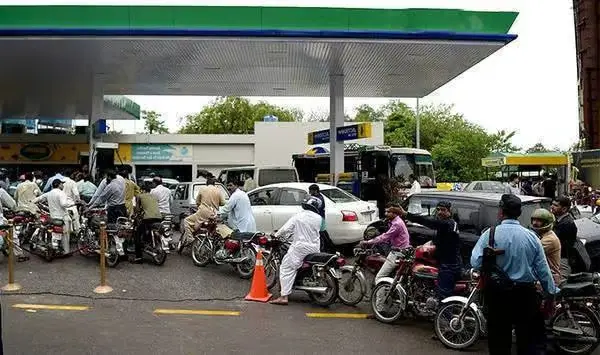
Pakistan’s government has raised the levy on high-octane fuel by Rs 200 per liter, officials confirmed, in a move aimed at managing the country’s ongoing fuel crisis. The increase comes amid rising global oil prices and heightened tensions in the Middle East, which have disrupted supply chains and pushed fuel costs higher worldwide.
High-octane fuel, primarily used in luxury and high-performance vehicles, will now carry a significantly higher cost for consumers. Authorities stated that the levy adjustment is part of broader measures to stabilize the domestic energy market and offset the financial pressure caused by international energy fluctuations. “Such steps are necessary to manage the fiscal and economic impact of global oil volatility,” an official familiar with the matter said.
The decision coincides with disruptions along critical oil routes, including the Strait of Hormuz, which have contributed to uncertainty in global crude supply. Analysts note that countries reliant on imported fuel, such as Pakistan, are particularly vulnerable to these market shocks. Rising transportation costs are already affecting ordinary citizens, as fuel price increases trickle down to public transport, goods, and services.
Economists and energy experts emphasize that high-octane fuel pricing often targets a niche segment of consumers, but broader economic consequences are unavoidable. “Even if high-octane fuel is not widely used, its pricing can influence broader fuel market trends and consumer expectations,” said an energy market analyst based in Islamabad.
Officials maintain that the levy hike will help the government generate revenue needed to manage energy subsidies and maintain fiscal stability. The government is reportedly monitoring global developments closely and may consider additional adjustments if oil prices remain volatile.
Public reaction to the announcement has been mixed. Vehicle owners using high-performance cars face immediate financial strain, while ordinary citizens are indirectly affected by the overall rise in transportation and living costs. The government has urged citizens to remain patient, emphasizing that these measures are aimed at long-term economic sustainability.
As the situation evolves, Pakistan’s energy sector will likely continue to navigate the challenges posed by international market pressures. Observers suggest that future fuel pricing decisions will remain closely tied to developments in global oil markets and geopolitical tensions in key supply regions.
For now, consumers and industry stakeholders are watching closely to see whether further levy adjustments or policy measures will follow in response to ongoing global uncertainties.