
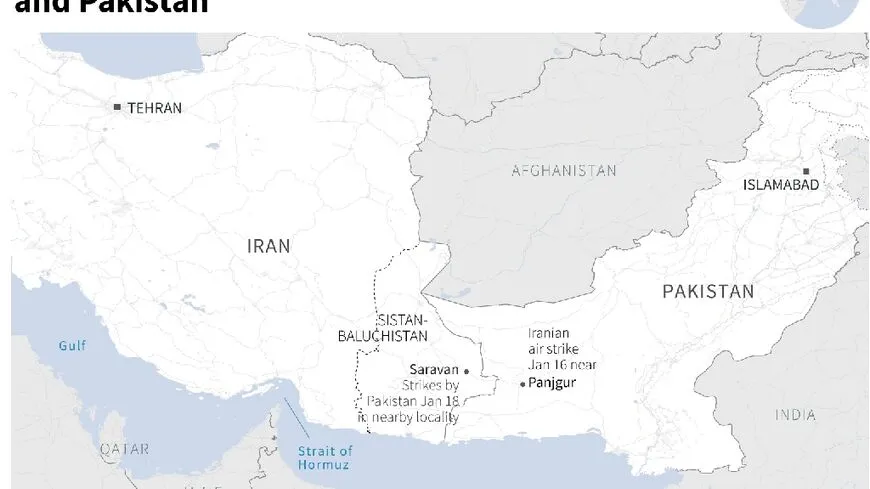
Authorities and health experts have issued an urgent warning over dangerous air pollution potentially affecting thousands in Pakistan, following recent attacks on oil facilities in Iran that released hazardous chemicals and smoke into the atmosphere. Officials caution that prevailing wind patterns could carry toxic particles across borders, raising health concerns in western regions of the country.
The attacks, reportedly targeting critical oil infrastructure, have generated dense plumes of smoke containing chemical irritants. While the immediate damage in Iran is under investigation, meteorologists and environmental specialists warn that airborne toxins can travel hundreds of kilometers, potentially reducing air quality in neighboring countries. The Pakistan Meteorological Department (PMD) has issued alerts indicating that certain areas may experience a rise in pollutants capable of causing respiratory distress.
Health experts note that inhalation of these toxins can irritate the lungs, worsen asthma, and trigger other breathing difficulties, particularly among vulnerable populations such as children, the elderly, and those with pre-existing respiratory conditions. “Exposure to these airborne chemicals, even at low concentrations, may increase the risk of lung damage over time,” said a senior pulmonologist who spoke on condition of anonymity. Authorities are urging residents to monitor air quality updates closely and limit outdoor activities when pollution levels are high.
Officials are actively tracking wind and weather patterns to predict the movement of toxic emissions. Preliminary assessments suggest that western provinces, including Balochistan and parts of Khyber Pakhtunkhwa, could be most affected if the winds carry smoke and chemical particles from Iran. The Environmental Protection Agency has also advised local administrations to coordinate with healthcare providers to ensure rapid response for people experiencing respiratory distress.
Public concern has grown amid widespread social media reports of smoke drifting toward border areas, though officials emphasize that concrete measurements are still being collected. PMD spokespersons recommend that individuals use protective measures such as masks capable of filtering fine particles, avoid strenuous outdoor activity, and keep windows and doors closed during periods of high pollution. Citizens are also encouraged to stay informed through official channels to receive timely air quality updates.
While the full scale of cross-border pollution remains uncertain, experts stress that proactive preparedness is critical. Authorities continue to monitor the evolving situation and are coordinating with regional partners to assess potential health risks. Observers note that this incident highlights broader environmental and geopolitical challenges, where industrial attacks can have unintended consequences for neighboring populations. Pakistanis in potentially affected areas are advised to remain vigilant and follow guidance from local health and meteorological authorities.