
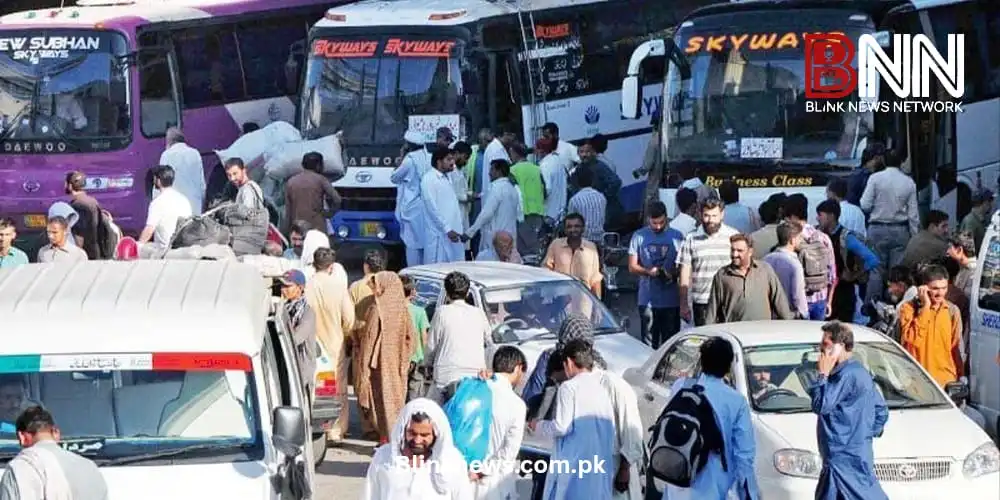
Public transportation fares have risen sharply across Pakistan after the government announced a significant increase in petroleum prices, impacting the daily commute for millions. Bus, van, and ride-share operators are adjusting rates to offset soaring fuel costs, directly affecting lower and middle-income families who rely heavily on public transport for work, education, and market trips.
Fuel expenses constitute one of the largest operating costs in the transport sector. When petrol and diesel prices rise, transport operators often have no choice but to pass the added burden onto passengers. Officials from several transport authorities confirmed that fare adjustments are a direct response to the latest fuel price hike, which has been described as “unprecedented” in recent years. Transport unions across major cities such as Karachi, Lahore, and Islamabad have echoed this, stating that continued operations without fare increases would be financially unsustainable.
Commuters have reported noticeable changes in their daily travel budgets. Many workers who rely on buses and vans for short trips to offices, markets, and schools now face increased monthly expenses, exacerbating financial pressure in a climate of ongoing inflation. Social media and local news outlets have captured public frustration, with citizens urging the government to take urgent steps to stabilize fuel prices or introduce subsidies for essential travel.
Experts in transportation economics warn that the situation could persist if petroleum costs remain elevated. “Unless fuel prices are controlled, fare hikes are likely to continue, affecting urban mobility and household budgets,” said an analyst familiar with the sector. In some cities, operators are exploring alternative strategies, such as reducing non-essential trips or consolidating routes, but these measures provide limited relief to commuters.
The government has not yet announced any immediate interventions to ease the burden on public transport users. Meanwhile, policymakers and consumer advocacy groups are calling for a balanced approach that protects both transport operators’ financial viability and public affordability. The current scenario highlights a broader economic challenge: as global oil prices fluctuate, their direct impact on essential services such as transportation becomes increasingly visible to the public.
For commuters, the coming weeks may require careful budgeting and exploration of alternative transport methods, including carpooling, cycling, or walking for short distances. Observers note that without a strategic policy response, fare increases could become a recurring concern, influencing not only urban mobility but also economic activity and social well-being.