
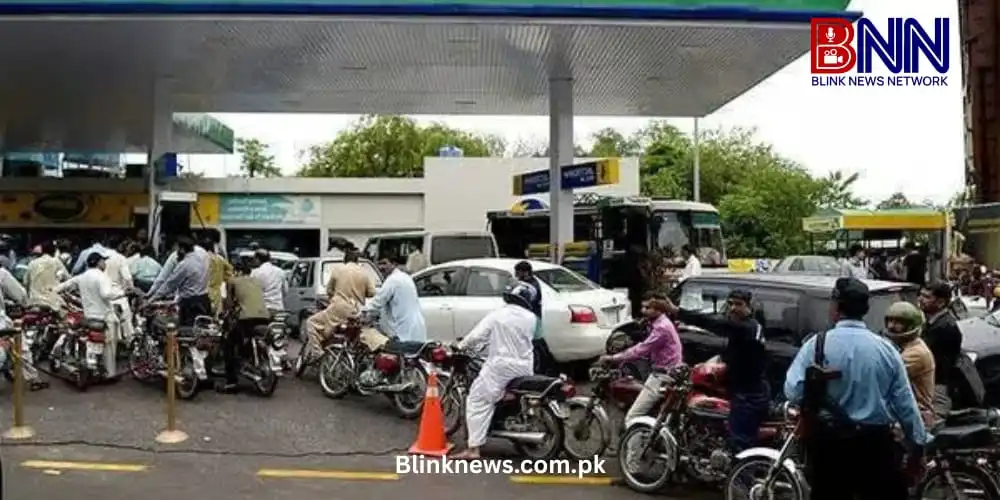
The federal government of Pakistan has announced an increase in petrol and diesel prices, a move that analysts say will have immediate financial implications for the general public. The price hike comes amid ongoing fluctuations in global oil markets and domestic economic pressures, affecting transportation costs, household budgets, and industrial production.
Fuel prices directly influence the cost of commuting and goods transportation across the country. Officials familiar with the matter stated that public transport fares, including buses, vans, and other commercial vehicles, are likely to rise in the coming days. Consumers can expect higher prices on essential goods such as food and daily household items, as transportation expenses make up a significant portion of supply chain costs.
Industrial sectors are also set to feel the impact. Factories and production units may face increased operational expenses due to higher energy costs, which often translate into increased prices for manufactured goods. Energy-intensive industries could see a notable spike in production costs, placing additional pressure on consumers. Analysts caution that prolonged fuel price hikes can erode purchasing power, forcing households to adjust spending and prioritize essential items.
Electricity generation could also be indirectly affected. Power plants that rely on fuel for electricity production may pass on the additional costs to consumers, potentially leading to higher electricity bills. Economic experts note that fuel pricing decisions are closely linked to international crude oil rates, fluctuations in the Pakistani rupee, and broader fiscal policies adopted by the government. This combination makes fuel adjustments a sensitive issue, with ripple effects across multiple sectors of the economy.
Public response to fuel price increases is often immediate, with transport unions, business groups, and consumer advocates closely monitoring government announcements. In previous instances, price hikes have triggered debates over subsidies, taxation, and the government’s strategy to stabilize inflation while balancing fiscal needs. Experts suggest that any short-term shock to household expenses could intensify if accompanied by rising global oil prices or currency depreciation.
The federal government has emphasized that such adjustments are necessary to align domestic prices with global market trends and to maintain energy sector sustainability. Economists, however, stress that mitigation measures, such as targeted subsidies or tax adjustments on essential goods, may be necessary to protect low-income households from sudden financial strain.
As Pakistan navigates these economic challenges, citizens are advised to anticipate changes in transport fares and essential commodity prices. The broader economic implications of fuel price adjustments will unfold in the coming weeks, with policymakers and market analysts closely observing how these changes affect both inflation and household budgets.