
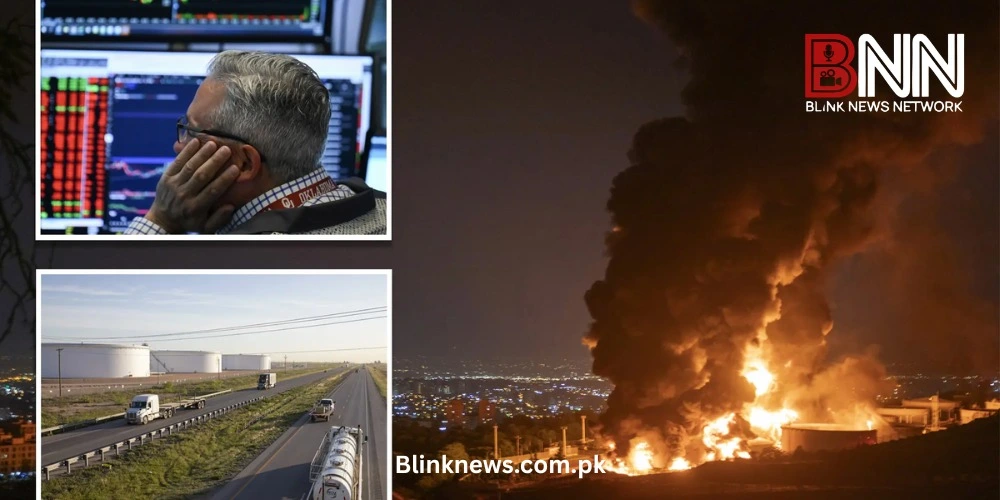
Global oil prices are climbing as tensions linked to the ongoing conflict involving Iran continue to unsettle supply chains and trigger volatility across international energy markets. Traders are reacting swiftly to signs of disruption, pushing prices higher amid fears that the situation could worsen in one of the world’s most critical oil-producing regions.
Iran holds a strategic position in global energy supply, both as a producer and as a key player near vital shipping routes such as the Strait of Hormuz. A significant portion of the world’s oil passes through this narrow corridor, making it highly sensitive to geopolitical instability. Any threat to its security can quickly ripple through global markets, raising concerns about supply shortages and transport risks.
Recent developments have heightened these concerns. According to initial reports and market analysts, shipping activity in parts of the Middle East has become increasingly uncertain, with higher insurance costs and security risks affecting oil tankers. This has made transportation more expensive and complicated, contributing to upward pressure on prices. Energy traders are closely monitoring every update, often responding within minutes to new developments tied to the conflict.
The impact is not limited to oil-exporting nations. Countries heavily reliant on imports, including Pakistan, are likely to feel the strain through rising fuel costs. Higher oil prices often translate into increased transportation and electricity expenses, which can push inflation upward and affect everyday living costs. For many households, this could mean more expensive goods and services in the weeks ahead.
Governments around the world are watching the situation closely. Some are exploring alternative suppliers or considering strategic reserves to manage potential shortages. However, sudden shifts in supply chains are difficult to implement, especially when global demand remains steady. Energy experts warn that unless the geopolitical situation stabilizes, markets are likely to remain volatile.
Analysts say the current price surge reflects not just immediate supply concerns but also broader uncertainty. Even the possibility of further escalation can drive speculative trading, amplifying price movements. This sensitivity highlights how deeply interconnected global energy systems are with regional political developments.
For now, the outlook remains uncertain. Market participants, policymakers, and consumers alike are bracing for continued fluctuations, as the conflict’s trajectory will play a decisive role in shaping oil prices in the coming weeks.