
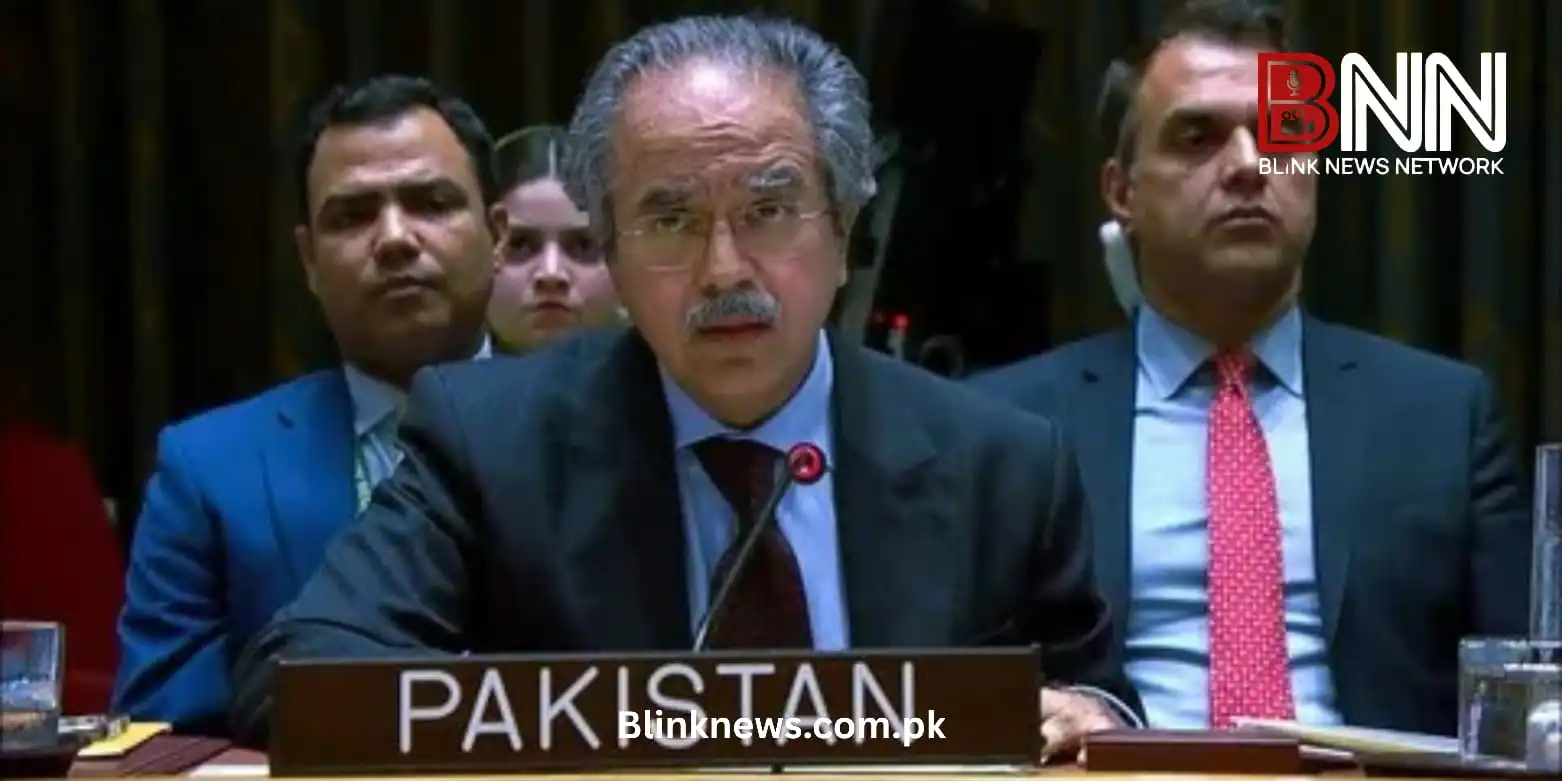
Pakistan has said it is acting in good faith to support diplomatic efforts aimed at easing tensions in the Middle East, with officials indicating that Islamabad is helping maintain communication channels between the United States and Iran at a time when direct engagement between the two countries remains limited. The statement comes as regional powers continue searching for ways to prevent further instability in an already fragile geopolitical environment.
The position was outlined by Sheikh Mohammed bin Abdulrahman Al Thani in remarks highlighting Pakistan’s constructive diplomatic posture, while Pakistani officials familiar with recent discussions said the country has offered support for dialogue and remains open to facilitating talks if both sides agree. Pakistan’s foreign policy leadership has repeatedly stressed that its objective is not to take sides, but to encourage political engagement that lowers the risk of confrontation.
According to officials and regional reporting, Pakistan has been involved in passing messages between Washington and Tehran during a period when formal direct talks are not actively taking place. Diplomats say such indirect channels are often used when official negotiations stall, allowing governments to test positions, communicate concerns, and avoid sudden escalation. Islamabad’s role is viewed as significant because it maintains working relations with both the United States and Iran, giving it a degree of credibility with both capitals.
Pakistan has also indicated willingness to host future discussions if conditions become favorable. Officials in Islamabad say any such initiative would depend on agreement by all parties involved, but the offer itself reflects an effort to position Pakistan as a responsible diplomatic actor during a period of heightened regional uncertainty. Pakistan has historically maintained dialogue with major Middle Eastern capitals and has often called for negotiated solutions in regional disputes.
Recent diplomatic contacts involving Saudi Arabia, Turkey, and Egypt have added momentum to wider de-escalation efforts. Officials involved in those meetings say the broader goal is to create enough trust for formal diplomatic engagement to resume, particularly as concerns remain over regional security, energy routes, and military posturing.
Analysts note that Pakistan’s ability to communicate with multiple actors gives it practical value in moments when larger powers prefer indirect contact. While Islamabad is not the only country involved in backchannel diplomacy, its participation reflects growing recognition that mid-level regional states can help keep diplomatic options open when official negotiations become politically difficult.
The coming weeks may determine whether those quiet contacts develop into a more structured process. For now, Pakistani officials say their focus remains on reducing tension and supporting any path that favors dialogue over confrontation, a position they argue is consistent with broader regional calls for stability.