
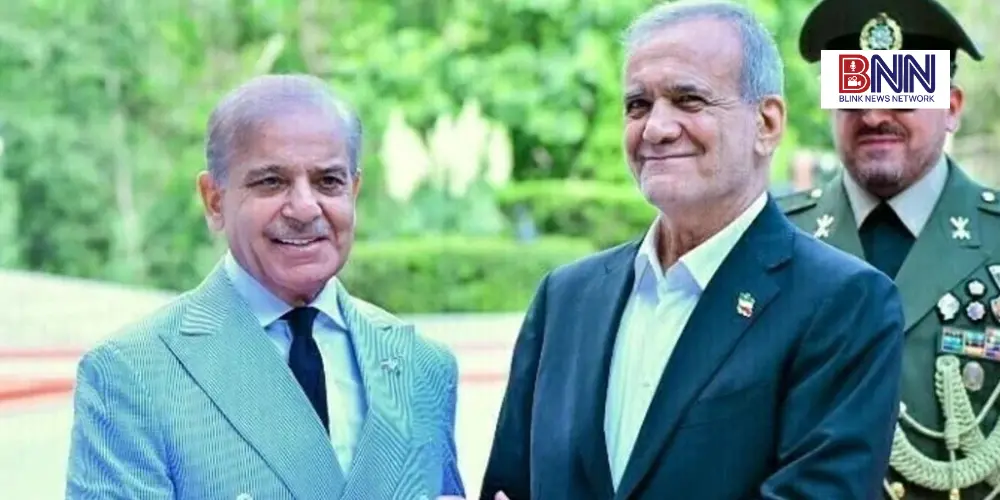
Iran has signaled a shift. President Masoud Pezeshkian confirmed Tehran will take part in possible peace talks with the United States in Islamabad. The development follows direct outreach from Shehbaz Sharif, who has led a quiet diplomatic push to bring both sides to the table.
Officials in Pakistan say the talks aim to reduce tensions after weeks of conflict. The confirmation marks the clearest signal yet that Tehran is open to engagement under current conditions.
According to official statements, Pezeshkian agreed to participate after discussions with Islamabad. Pakistan has positioned itself as a neutral facilitator. The goal is simple. Create a space where both sides can talk without public pressure.
The talks are expected to focus on de-escalation first. Broader issues such as sanctions, military activity, and regional security will likely follow.
This shift comes after mixed signals from Tehran. Earlier reports suggested hesitation over meeting terms. Iranian officials had raised concerns about US demands and conditions for talks. Those concerns have not disappeared. But the latest confirmation shows a willingness to move forward.
Pakistan’s role has expanded in recent weeks.
Islamabad has:
• Carried messages between Washington and Tehran
• Coordinated with regional partners to support dialogue
• Offered its capital as a neutral venue
• Maintained communication at both political and security levels
This approach has helped reduce mistrust. Both sides avoid direct public confrontation while keeping communication open.
The timing matters.
Tensions remain high. Recent military actions and threats have raised fears of wider conflict in the Middle East. A meeting in Islamabad offers a chance to slow that momentum. Even a limited agreement could lower immediate risks.
For you, the impact is direct.
• Lower chance of a broader regional war
• More stability in oil markets
• Reduced pressure on global supply chains
• Less volatility in financial markets
Still, challenges remain.
No formal framework has been agreed. Key disputes between Washington and Tehran remain unresolved. Iran continues to demand sanctions relief and security guarantees. The US has maintained pressure on nuclear and military issues.
The gap between both sides is wide.
What happens next depends on the first round of talks. If both sides agree on basic terms, follow-up negotiations will likely continue through the same channel in Islamabad.
Pakistan has taken a calculated step. It has moved from observer to mediator. The coming days will test whether this effort holds or stalls under pressure.