
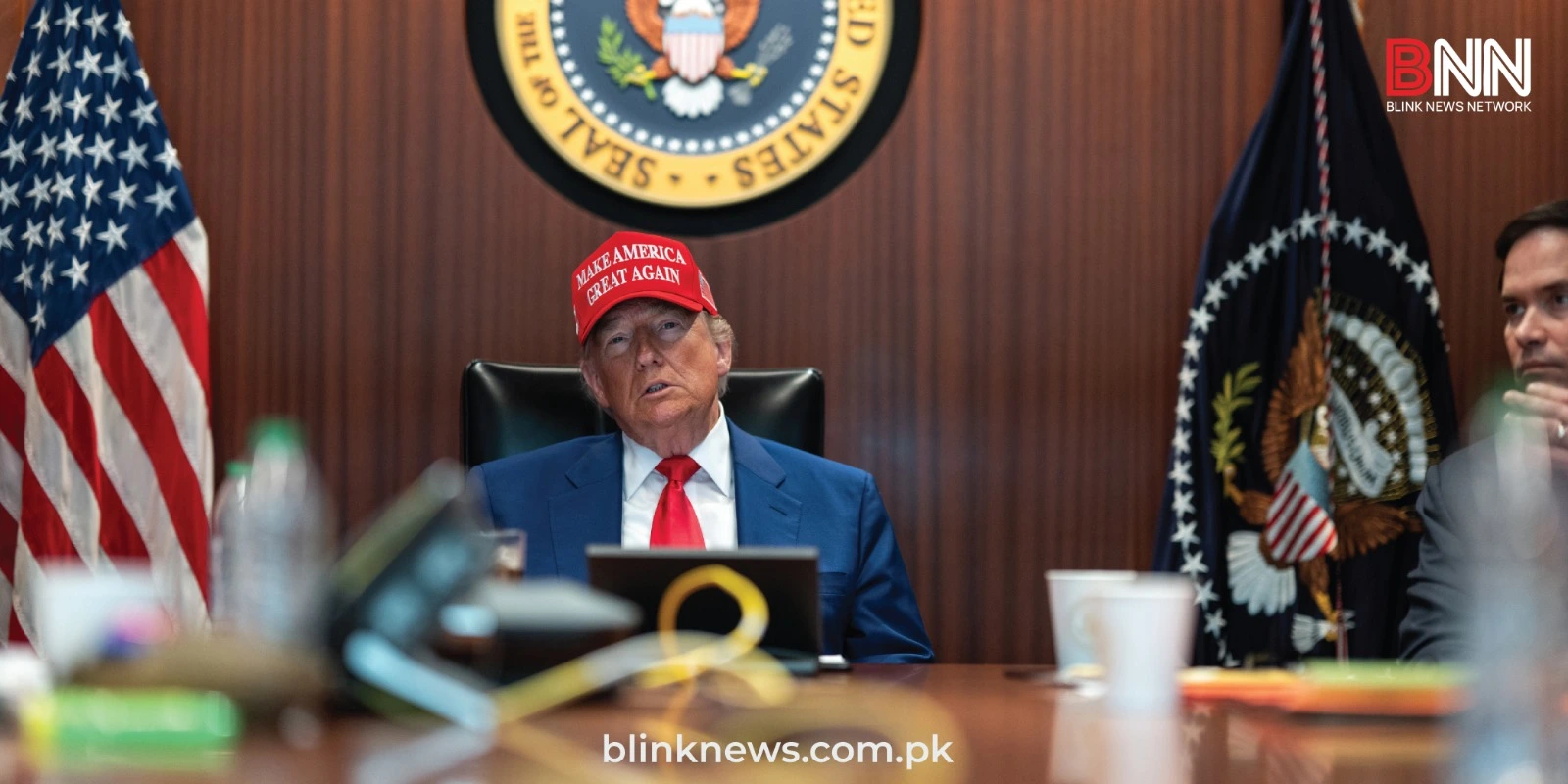
A recent CNN report reveals deep divisions within former U.S. President Donald Trump’s cabinet regarding potential military action against Iran. According to the report, senior officials were split between advocating for a forceful strike and cautioning against its potential consequences. The internal debate underscores the complexities and risks involved in U.S. foreign policy decisions concerning the Middle East.
Background context highlights that during Trump’s tenure, tensions with Iran escalated over nuclear ambitions, regional influence, and attacks on U.S. allies. Reports indicate that some administration officials argued that a direct attack on Iranian targets could provoke a wider regional conflict, potentially drawing the United States into a prolonged war in the Middle East. Others within the cabinet favored a hardline approach, insisting that decisive military action was necessary to counter Iran’s influence and deter further aggression.
The CNN report suggests that the disagreement extended beyond political appointees. Security and defense experts within the administration reportedly advised caution, warning that a strike could trigger unpredictable retaliatory actions from Iran or its allied militias. These conflicting perspectives, as per the report, led to detailed debates in high-level meetings, reflecting the challenges of balancing strategic objectives with the risks of escalation.
Officials familiar with the matter stated that the cabinet’s discussions involved multiple agencies and advisory bodies, each presenting divergent analyses. While some policymakers prioritized military deterrence, others urged diplomatic engagement, signaling the lack of consensus on how to handle Iran’s growing assertiveness. Analysts say such disagreements are common in major foreign policy decisions, particularly those involving potential military intervention, where the stakes are high and outcomes uncertain.
Experts have noted that these internal debates are critical to understanding U.S. policy formulation. Disagreements over strategy, risk assessment, and the potential fallout of military action often shape the timing and nature of government responses. Following the CNN report, renewed scrutiny has emerged over the decision-making processes within the Trump administration, prompting questions about how differing perspectives influenced both short-term actions and long-term foreign policy strategies.
The report has also sparked discussions among political commentators and policy analysts about the role of internal dissent in shaping U.S. international engagement. Observers point out that while divisions can delay decisive action, they can also prevent hasty decisions that carry far-reaching consequences. As tensions with Iran continue to influence U.S. diplomatic and military strategy, understanding these past debates offers insight into how administrations weigh complex foreign policy challenges.
As investigations and retrospectives continue, the CNN report sheds light on the intricate balance of caution and assertiveness that has long defined U.S. relations with Iran. Analysts suggest that similar internal disagreements are likely to influence future administrations facing high-stakes decisions in volatile regions.