
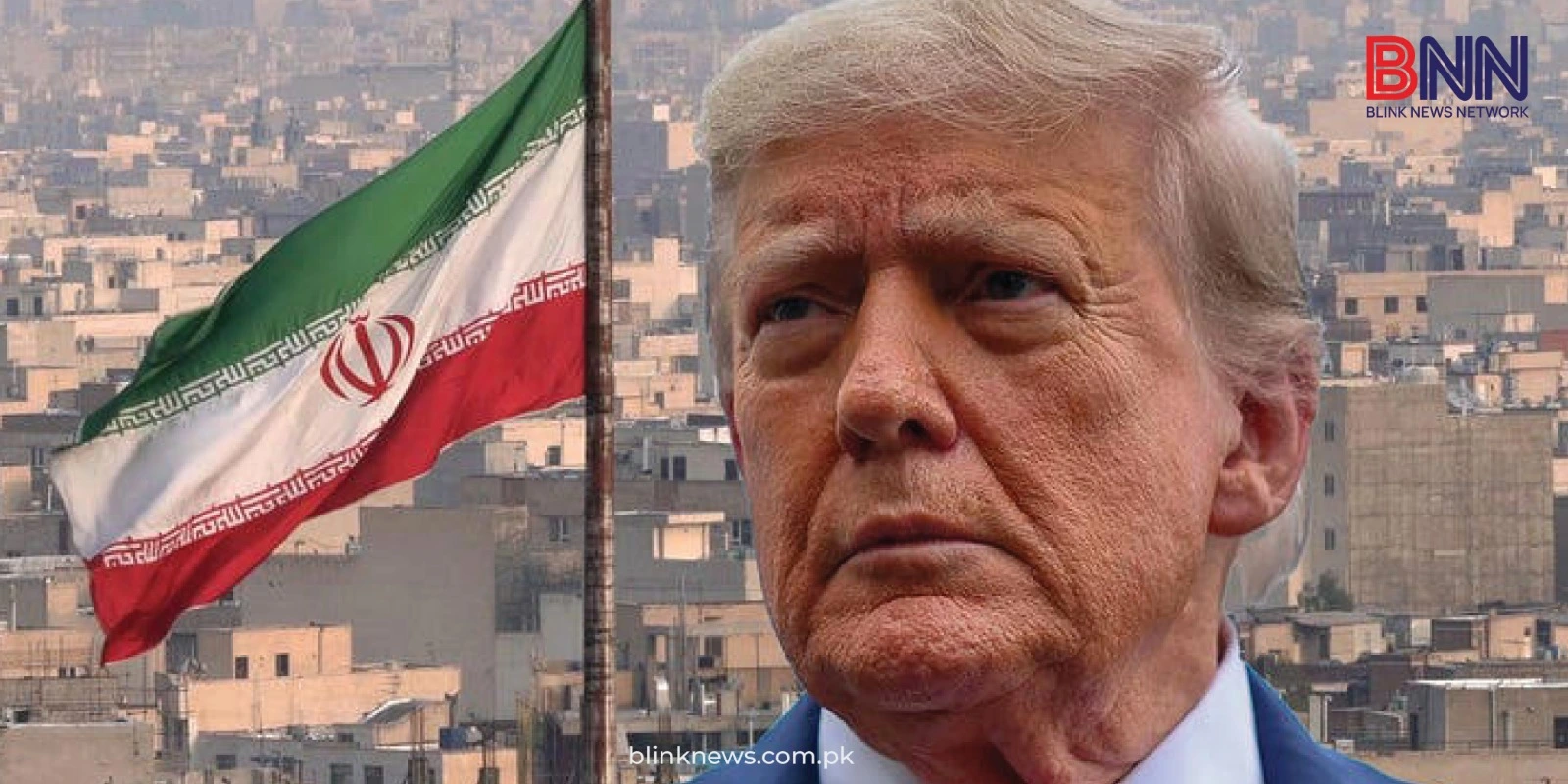
In the wake of the most dramatic U.S – Iran confrontation in decades, former President Donald Trump has repeatedly claimed that Tehran was on the brink of launching an attack against the United States before Washington and its ally Israel struck first. According to Trump, the offensive was a necessary pre-emptive act of self-defense, aimed at stopping Iran from striking U.S. forces or interests.
In media briefings and public statements, Trump has insisted that Iran’s expanding military capabilities – including missiles and a growing drone fleet posed an imminent threat. On several occasions he said it was his belief that “they were going to attack first” and that striking first prevented American casualties.
But this narrative has been deeply contested, and not just by critics or opposition politicians. In closed-door briefings to Congress including to lawmakers from both parties – Pentagon and intelligence officials reportedly acknowledged there was no credible U.S. intelligence indicating Iran was preparing a direct strike on U.S. forces at the time of the attack.
According to these briefings, while Tehran’s missile and proxy capabilities were a general concern, there was no specific evidence that Iran was days away from launching an offensive against Washington or its troops. That has raised questions about the validity of the administration’s justification for such a massive military operation.
Adding to the confusion, different figures within the U.S. government have offered contradictory explanations. For example, Secretary of State Marco Rubio suggested that the U.S. felt compelled to act because it anticipated an Israeli strike on Iran, and that if Tehran were attacked by Israel, it would almost certainly counter-attack U.S. forces. Trump, by contrast, has denied that Israeli pressure forced the U.S. into war, framing his decision as independent and driven by his assessment of Iranian intentions.
These conflicting narratives have fed political and legal debate in Washington. Democrats and some Republicans have criticized the pre-emptive rationale as weak or baseless, arguing that without clear evidence of an imminent strike, launching a major war could violate both U.S. law and international norms regarding the use of force. A war powers resolution aimed at limiting presidential authority was introduced in Congress, though it has faced stiff resistance and procedural hurdles.
Meanwhile, the conflict itself has escalated dramatically. U.S. and Israeli forces have carried out extensive strikes against Iranian military infrastructure and leadership targets, killing high-ranking officials, including Supreme Leader Ayatollah Ali Khamenei, and igniting battles across the region. Iran has retaliated with missiles and drone attacks, leading to deaths on both sides and drawing global concern about a broader Middle East war.
At the center of this storm remains a critical question: Was the strike a justified act of pre-emptive defense, or a controversial war of choice? With intelligence assessments contradicting public claims of an imminent Iranian attack, the debate over that answer is likely to shape U.S. policy and public opinion for months – if not years – to come.
Read more posts on Blink News Network