
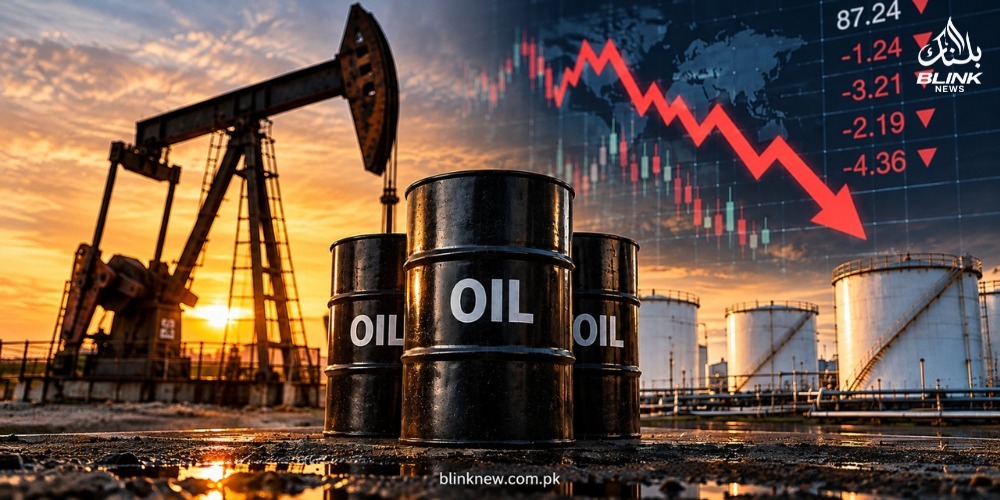
Global oil prices are attracting renewed attention as crude prices decline in the international market and progress on releasing emergency petroleum reserves raises hopes of improved supply. The developments could influence energy markets, fuel costs, and economic conditions in oil-importing countries.
The release of emergency oil reserves is an important policy option when supply disruptions threaten the global energy market. By making additional crude oil available, participating countries can help address temporary shortages and reduce concerns about the availability of petroleum.
However, the impact on prices will depend on the volume of oil released, the timing of deliveries, global demand, and the wider geopolitical situation. BlinkNews examines why falling oil prices and emergency reserve plans matter for consumers and the international economy.
Global Oil Prices Fall Amid Emergency Reserve Developments
The decline in international crude prices reflects the sensitive relationship between oil supply, demand, and market expectations. Traders closely monitor government announcements, production decisions, shipping conditions, and economic indicators when assessing the direction of the market.
Progress toward releasing emergency reserves can influence prices even before the oil reaches buyers. Expectations of additional supply may reduce concerns about shortages and encourage traders to reassess the risk premium included in crude prices.
Nevertheless, the exact market impact depends on whether the announced measures result in a meaningful increase in available supplies.
Why Emergency Oil Reserves Matter
Emergency oil reserves are stockpiles maintained by governments or relevant institutions to help manage unexpected disruptions. They can provide a temporary supply cushion during conflicts, shipping interruptions, natural disasters, or other events that affect petroleum availability.
The International Energy Agency (IEA) coordinates emergency responses among participating member countries when significant oil supply disruptions occur. Governments may also maintain their own strategic petroleum stocks under national policies.
Releasing these reserves can help stabilize the market, but it does not permanently resolve the underlying causes of a supply shortage.
How Releasing Emergency Oil Reserves Can Affect Prices
When additional oil enters the market, buyers may find it easier to secure supplies. This can reduce immediate pressure on prices, especially when a shortage or supply disruption has increased uncertainty.
Several factors determine how effective an emergency release will be.
1. The Volume of Oil Released
The quantity matters because a relatively small release may have a limited effect when global consumption is high or supply losses are substantial. A larger, coordinated release may have a stronger influence, depending on market conditions.
2. The Speed of Delivery
Timing is another important factor. Oil that becomes available quickly can help address immediate supply concerns, while delayed deliveries may provide less relief during an acute disruption.
3. Global Demand and Production
Demand from major economies, refinery activity, and production decisions by oil-producing countries also affect prices. The Organization of the Petroleum Exporting Countries and its partners, commonly known as OPEC+, play an important role in global supply conditions.
If demand rises sharply or production falls elsewhere, emergency reserve releases may not be enough to sustain a price decline.
What Falling Crude Oil Prices Mean for Consumers
Lower international oil prices can create opportunities for countries that depend heavily on imported petroleum. Reduced import costs may ease pressure on trade balances, transportation expenses, and domestic inflation.
However, international crude prices are only one component of the final price consumers pay for fuel.
Potential Impact on Petrol and Diesel Prices
In countries such as Pakistan, changes in global crude prices can influence the cost of imported petroleum products. The final retail price also depends on exchange rates, import and refining costs, government taxes, levies, and other pricing arrangements.
Consequently, a decline in international oil prices does not automatically lead to an immediate reduction in petrol or diesel prices.
Consumers should follow official announcements from the relevant authorities for confirmed domestic fuel prices rather than assuming that every international market movement will be passed on directly.
Relief for Businesses and the Economy
Lower fuel costs can benefit transport companies, manufacturers, farmers, and other businesses that rely on petroleum products. Reduced operating expenses may help businesses manage costs and could ease some inflationary pressure.
For households, cheaper fuel can potentially reduce travel expenses and the cost of transporting goods. The extent of any benefit will depend on how long lower prices last and whether savings reach consumers.
Key Factors That Could Change the Oil Market Outlook
Despite a decline in prices, the global energy market remains exposed to several risks.
- Geopolitical tensions: Conflicts and diplomatic disputes can disrupt production or transportation routes.
- Shipping disruptions: Delays at major maritime routes can increase freight costs and limit deliveries.
- OPEC+ decisions: Changes in production targets can influence the balance between supply and demand.
- Economic growth: Stronger industrial activity can increase demand, while weaker growth may reduce consumption.
- Currency movements: Exchange-rate changes can affect the cost of imported oil for individual countries.
These factors mean that a short-term decline does not necessarily signal a lasting downward trend. Prices may recover if supply risks increase or demand strengthens unexpectedly.
What to Watch in the Coming Days
Market participants will be watching for official announcements confirming the scope, timing, and participating countries involved in any emergency reserve release.
They will also monitor benchmark prices for Brent crude and West Texas Intermediate (WTI), along with production reports, inventory data, and developments affecting major oil transportation routes.
For Pakistan, any sustained decline in international petroleum costs could be relevant to upcoming fuel-price reviews. The actual effect will depend on the applicable pricing mechanism, currency movements, and government decisions.
Readers should distinguish confirmed policy announcements from proposals, preliminary discussions, and market speculation.
Conclusion
Falling global oil prices and progress toward releasing emergency petroleum reserves could offer temporary relief to an international market concerned about supply security. The measures may help reduce immediate pressure if additional oil reaches the market when it is needed.
However, the long-term outlook will depend on global demand, production decisions, geopolitical developments, and the effectiveness of reserve releases.
For oil-importing countries, including Pakistan, sustained lower crude prices could help reduce import costs and ease economic pressure. Any direct reduction in local fuel prices will depend on domestic pricing decisions and other cost factors.
Follow BlinkNews for further updates on international oil prices, energy policy, and developments affecting Pakistan’s economy.