
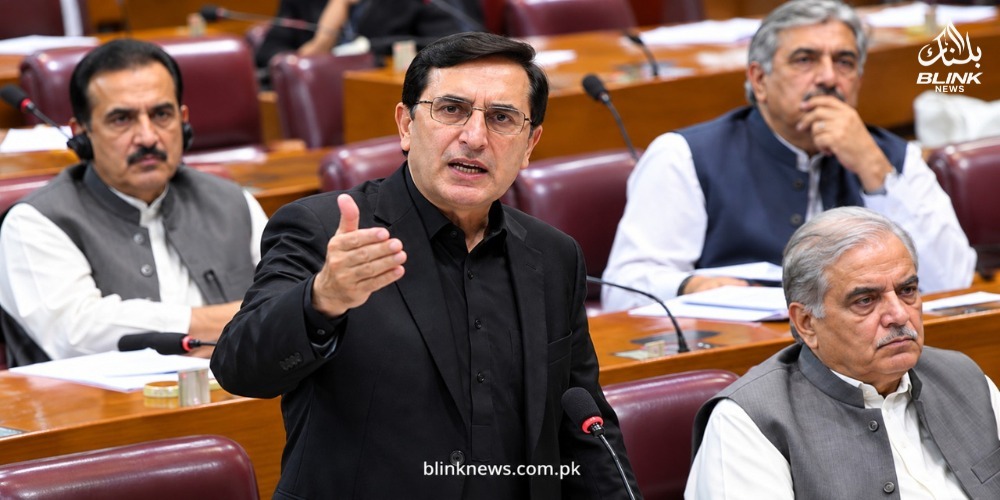
The reported decision to stop Pakistan Tehreek-e-Insaf (PTI) Chairman Barrister Gohar Ali Khan from speaking about Khyber Pakhtunkhwa in the National Assembly has drawn attention to parliamentary debate and opposition representation in Pakistan. The development concerns the role of elected representatives in raising provincial matters at the federal level.
Khyber Pakhtunkhwa remains an important subject in national politics, particularly because of ongoing discussions about governance, security, provincial administration, and relations between the federal government and provincial leadership. The reported incident has raised questions about how such issues are handled during parliamentary proceedings.
According to the topic reported, Barrister Gohar was prevented from discussing the KP matter during the assembly session. However, the specific circumstances, the official explanation, and the identities of those responsible for the decision require confirmation from an official parliamentary record or a reliable news report. BlinkNews will continue to follow developments related to this issue.
Barrister Gohar National Assembly Incident Draws Attention
Barrister Gohar Ali Khan is a prominent PTI leader who represents the party’s political position in national discussions. His participation in parliamentary proceedings is significant because the assembly provides a platform for elected representatives to raise public concerns and question government decisions.
The reported restriction on his remarks about Khyber Pakhtunkhwa has brought the focus back to the relationship between parliamentary procedure and political debate. When a member is unable to discuss a particular issue, the reason may involve the speaker’s ruling, the agenda, procedural requirements, or other parliamentary considerations.
Without an official statement or a verified transcript, it would be premature to conclude why Barrister Gohar was stopped or which parliamentary rule may have applied.
Why the Khyber Pakhtunkhwa Issue Matters
Khyber Pakhtunkhwa occupies an important position in Pakistan’s political and administrative landscape. The province faces a range of issues involving public safety, economic development, public services, local governance, and coordination with federal institutions.
Provincial Governance and Federal Relations
Relations between provincial governments and the federal administration frequently become subjects of debate in Pakistan’s parliament. These discussions can cover the distribution of resources, administrative responsibilities, security arrangements, and the implementation of national policies.
For PTI, which has a strong political presence in Khyber Pakhtunkhwa, provincial matters are particularly important. The party may seek to raise concerns about the province through parliamentary speeches, questions, motions, and other available procedures.
The National Assembly provides an opportunity to discuss matters of national importance, although individual contributions remain subject to constitutional provisions, parliamentary rules, and decisions made during a session.
Security and Public Concerns
Security has remained a major concern in parts of Khyber Pakhtunkhwa. Residents and political representatives have raised questions over law enforcement, the protection of communities, and the need for effective coordination between relevant authorities.
Debates about these issues can influence public understanding of government policies and the responsibilities of elected officials. This makes access to parliamentary discussion an important consideration whenever provincial affairs are raised at the federal level.
Role of Parliamentary Rules in Political Debate
The National Assembly operates under established procedures that regulate speeches, motions, questions, and discussions. The speaker is responsible for maintaining order and applying the relevant rules during proceedings.
A member’s ability to address a specific subject may depend on the session’s agenda and the procedural context. Therefore, a reported restriction should be assessed against the official record before conclusions are drawn about its legality or political motivation.
In the Barrister Gohar National Assembly matter, an official explanation would help clarify whether the intervention concerned parliamentary procedure, the scope of the discussion, or another reason.
Transparency is especially important when an incident involves a prominent opposition figure and a politically sensitive provincial issue. Publishing the relevant ruling or transcript would help readers understand what happened and why.
PTI’s Position and the Wider Political Context
PTI has frequently used parliamentary forums to communicate its political position and raise concerns about government decisions. Its representatives can use these proceedings to question policies, present provincial concerns, and seek responses from the government.
The reported incident involving Barrister Gohar could become part of the wider political discussion about opposition participation and the conduct of parliamentary business. However, the incident alone does not establish that the opposition was deliberately silenced or that a broader restriction on debate was imposed.
The government’s response, the speaker’s explanation, and any subsequent statements from PTI would be important in establishing the full context.
For readers following Pakistan’s political developments, verified statements from both sides are essential to understanding disagreements without relying on speculation or unconfirmed claims.
What Happens Next?
Further developments may depend on whether Barrister Gohar, PTI representatives, the government, or the National Assembly’s presiding authorities issue statements about the reported incident.
The official proceedings could clarify whether the matter was raised under a particular rule and whether the discussion was postponed, disallowed, or redirected to another parliamentary forum.
Any subsequent debate could also provide an opportunity for representatives to address concerns relating to Khyber Pakhtunkhwa. Readers should look for confirmed updates rather than treating political reactions or social media posts as established facts.
BlinkNews will continue to cover significant political developments in Pakistan, including parliamentary proceedings, PTI statements, and federal-provincial relations, as verified information becomes available.
Conclusion
The reported decision to prevent Barrister Gohar from speaking about Khyber Pakhtunkhwa in the National Assembly has highlighted the importance of parliamentary procedure, opposition participation, and provincial representation in Pakistan’s political system.
The full significance of the incident will depend on the official explanation and the precise circumstances of the session. Until those details are confirmed, it is important to distinguish the reported event from assumptions about its cause or political implications.
Follow BlinkNews for verified updates on Pakistan’s National Assembly, PTI, and the latest developments concerning Khyber Pakhtunkhwa.