
Introduction
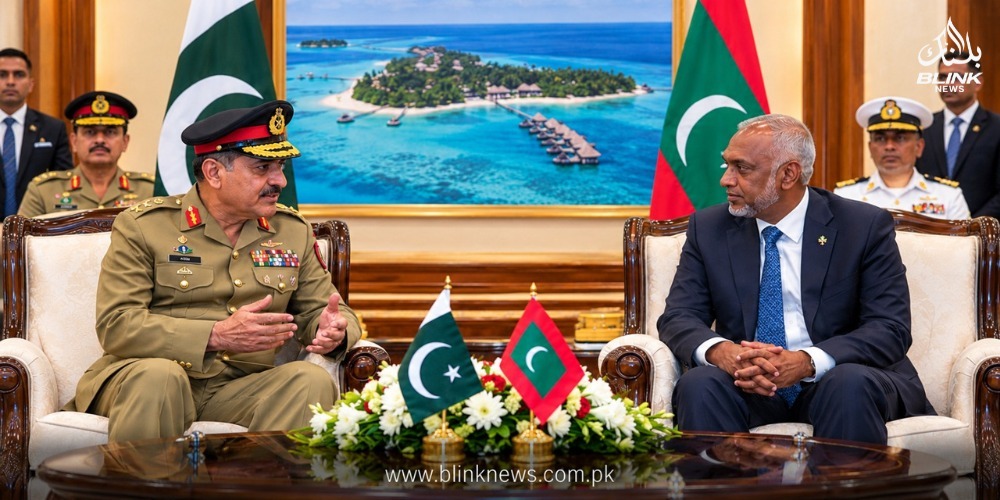
Pakistan and the Maldives have reaffirmed their commitment to strengthening defence cooperation and expanding professional exchanges, highlighting the importance of closer ties between the two South Asian countries. The development reflects a shared interest in improving institutional relationships, exchanging expertise, and exploring opportunities for collaboration in defence and security.
Pakistan Maldives defence cooperation is an important part of the broader relationship between the two countries. Although Pakistan and the Maldives differ in size, geography, and defence requirements, both have an interest in regional stability, maritime security, and constructive diplomatic engagement.
The renewed emphasis on professional exchanges could create opportunities for military personnel to learn from each other’s experiences and strengthen communication between their respective defence institutions.
Pakistan Maldives Defence Cooperation: Key Priorities
Defence cooperation between Pakistan and the Maldives can involve professional training, institutional dialogue, knowledge-sharing, and discussions on common security challenges. Such engagement helps countries build mutual understanding and develop stronger working relationships.
Pakistan has an established defence sector and experience in military training and education. The Maldives, meanwhile, has particular security interests linked to its island geography and the importance of maintaining safe maritime routes across the Indian Ocean.
Closer engagement could help both sides identify areas where their expertise and requirements complement one another.
Professional Exchanges and Military Training
Professional exchanges are an important tool for building relationships between defence institutions. They can include training opportunities, staff-level discussions, educational programmes, and visits by military officials.
Such activities allow participants to exchange practical knowledge, discuss operational procedures, and learn about different approaches to defence planning.
For Pakistan and the Maldives, these exchanges could contribute to stronger professional relationships and improve communication between defence personnel. Specific programmes, however, would depend on the priorities and arrangements agreed upon by the two countries.
Sharing Defence Expertise
Knowledge-sharing can help countries improve institutional capabilities without requiring major changes to their existing defence structures.
Pakistan’s experience in military education and training may provide opportunities for cooperation with Maldivian defence personnel. Similarly, discussions about island security, maritime awareness, and emergency preparedness could be relevant to the Maldives’ geographical circumstances.
The scope of any future collaboration would depend on official decisions and mutually agreed objectives.
Why Pakistan and Maldives Defence Relations Matter
Pakistan and the Maldives maintain diplomatic relations and share an interest in peaceful regional engagement. Strengthening defence ties can complement their wider cooperation in areas such as education, economic engagement, tourism, and multilateral diplomacy.
For both countries, regular communication between officials can help establish trust and create channels for discussing emerging security concerns.
Importance of Indian Ocean Security
The Indian Ocean is strategically important because it connects major trade routes, ports, and coastal economies. Maritime safety is therefore a significant concern for countries throughout the region, including Pakistan and the Maldives.
Issues such as illegal fishing, trafficking, maritime emergencies, and the protection of shipping routes can require information-sharing and cooperation between regional authorities.
Closer professional engagement could help the two countries exchange perspectives on these challenges. However, any specific maritime initiative would require official confirmation before it could be considered an agreed programme.
Benefits of Stronger Bilateral Defence Ties
Improved defence relations can provide several potential benefits for both countries.
First, institutional coordination: Regular contact between defence officials can improve communication and create a better understanding of each country’s security priorities.
Second, professional development: Training and educational exchanges can give military personnel opportunities to learn new approaches, share experience, and develop professional skills.
Third, regional engagement: Stronger bilateral ties can contribute to constructive dialogue on regional security and stability.
Fourth, long-term trust: Consistent diplomatic and professional contact can support a stable relationship and make future cooperation easier to discuss.
These potential benefits depend on the practical steps both governments take following their discussions.
Pakistan’s Role in Regional Defence Partnerships
Pakistan engages with regional and international partners through diplomatic dialogue, defence contacts, and professional training relationships. Such engagement can support broader efforts to maintain stability and address shared security concerns.
Closer relations with the Maldives would fit within the wider context of Pakistan’s diplomatic engagement across South Asia and the Indian Ocean region.
For the Maldives, maintaining relationships with multiple regional partners can support its efforts to address national security requirements and strengthen institutional capacity.
The focus on professional exchanges also suggests the importance of cooperation beyond formal diplomatic statements. Continued contact, training opportunities, and practical discussions can help translate shared intentions into meaningful institutional relationships.
Challenges and Future Opportunities
Despite the potential benefits, defence cooperation requires careful planning, resources, and agreement on priorities. Both countries must ensure that any initiatives reflect their national interests and available capabilities.
Differences in geography and defence requirements may influence the type of cooperation that is most practical. For example, maritime awareness and island security may be particularly relevant to the Maldives, while broader military education and training could offer opportunities for bilateral engagement.
Maintaining regular communication will be important for identifying realistic areas of cooperation and assessing progress over time.
Further official announcements would be needed to establish whether new training programmes, defence agreements, or exchange schedules have been formally approved.
Conclusion
Pakistan and the Maldives’ commitment to stronger defence cooperation and professional exchanges highlights the value of continued engagement between regional partners. By encouraging dialogue, sharing expertise, and exploring opportunities for training, both countries can work toward stronger institutional relationships.
Pakistan Maldives defence cooperation may also contribute to wider discussions about maritime security and regional stability in the Indian Ocean. The long-term impact will depend on the initiatives both sides formally agree upon and implement.
BlinkNews will continue to cover developments in Pakistan’s diplomatic relations, regional security partnerships, and international affairs as further details become available.