Introduction
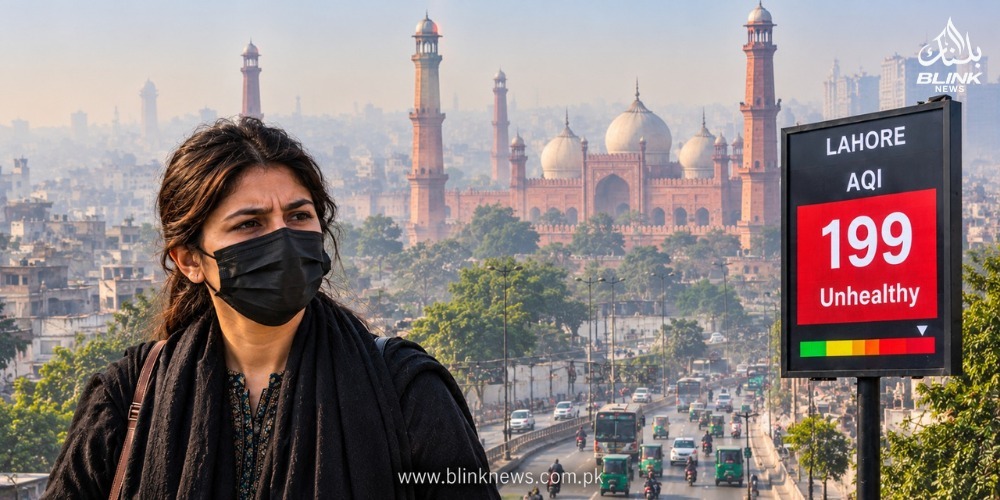
Lahore ranked second among the world’s most polluted cities at 8 a.m., recording an Air Quality Index (AQI) of 199, according to the reported air quality update. The reading highlights continuing concerns about Lahore air pollution and the health risks associated with poor air quality in Pakistan’s second-largest city.
The latest figure has renewed attention on smog, vehicle emissions, industrial pollution, and other sources of airborne particles. Residents, particularly children, older adults, and people with respiratory conditions, may need to take extra precautions when pollution levels rise.
BlinkNews continues to highlight environmental developments that affect public health and daily life across Pakistan.
Lahore AQI 199: What the Latest Reading Means
An AQI reading of 199 indicates a high level of air pollution. Under the widely used US Environmental Protection Agency AQI scale, readings between 151 and 200 fall within the “Unhealthy” category.
At this level, air pollution can affect the general population, while sensitive groups may experience more serious effects. However, the exact health implications depend on the pollutants measured, the duration of exposure, and individual health conditions.
The reported ranking places Lahore among the world’s most polluted cities at the time of the morning measurement. Such rankings can change quickly because weather conditions, traffic levels, and pollution sources vary throughout the day.
Why Morning Air Quality Matters
Morning pollution levels can be influenced by traffic congestion, emissions from nearby sources, and weather conditions that prevent pollutants from dispersing.
When winds are weak and the atmosphere is relatively stable, pollutants may remain concentrated close to the ground. This can worsen air quality in densely populated urban areas.
An AQI reading also represents conditions at a particular monitoring location or reporting system. Different monitoring stations and air quality platforms may therefore show different results.
Major Causes of Lahore Air Pollution
Lahore faces several sources of pollution that can combine to create unhealthy air. Understanding these sources is important for developing effective long-term solutions.
Vehicle Emissions and Traffic Congestion
Cars, motorcycles, buses, trucks, and other vehicles release pollutants that contribute to poor urban air quality. Heavy traffic and older vehicles with inadequate emission controls can add to the problem.
Reducing unnecessary vehicle use, improving public transport, and enforcing vehicle emission standards can help limit pollution over time.
Industrial Emissions and Construction Dust
Industrial facilities can release particulate matter and other pollutants if emissions are not properly controlled. Construction activities, road dust, and uncovered materials can also contribute to airborne particles.
Consistent inspections, dust management, and effective pollution-control equipment are important for reducing these emissions.
Seasonal Smog and Weather Conditions
Lahore frequently experiences serious smog concerns during the cooler months. Seasonal agricultural burning in the wider region, local emissions, and weather conditions can contribute to pollution episodes.
Temperature inversions and weak winds may trap pollutants near the surface, making it harder for polluted air to disperse.
No single source explains every high AQI reading. Pollution levels generally reflect a combination of emissions, regional conditions, and weather.
Health Risks Associated With an AQI of 199
Poor air quality can irritate the eyes, nose, and throat. It may also trigger coughing, breathing difficulties, and worsening symptoms in people with asthma or other respiratory illnesses.
Fine particulate matter, commonly known as PM2.5, is especially concerning because these tiny particles can penetrate deep into the lungs. Long-term exposure to air pollution is also associated with increased cardiovascular and respiratory health risks.
Children, older adults, pregnant people, and individuals with heart or lung conditions should pay particular attention to air quality advisories.
How Residents Can Protect Themselves
When pollution levels are high, residents can take several practical steps:
- Check reliable AQI updates before exercising or spending extended periods outdoors.
- Reduce strenuous outdoor activities when air quality is unhealthy.
- Keep windows closed during severe pollution episodes, where appropriate.
- Consider a properly sized HEPA air purifier for indoor spaces.
- If outdoor exposure is unavoidable, use a well-fitting N95 or equivalent respirator to reduce inhalation of fine particles.
- Follow medical advice if pollution worsens existing breathing or heart problems.
People experiencing severe shortness of breath, chest pain, or other urgent symptoms should seek prompt medical attention.
What Authorities Can Do to Improve Air Quality
Addressing Lahore air pollution requires coordinated action by government agencies, businesses, and residents. Short-term restrictions may help during severe smog episodes, but lasting improvements depend on reducing emissions at their sources.
The Punjab Environmental Protection Department and other relevant authorities can support progress through regular emissions inspections, industrial compliance checks, construction dust controls, and public air quality reporting.
Improving public transport, promoting cleaner vehicles, expanding green spaces, and strengthening regional cooperation can also contribute to better air quality.
Transparent monitoring is essential. Publishing reliable readings from multiple locations helps residents understand local conditions and allows policymakers to assess whether pollution-control measures are working.
Conclusion
Lahore’s reported AQI of 199 at 8 a.m. and its second-place ranking among the world’s most polluted cities highlight the continuing challenge of urban air pollution in Pakistan.
Although AQI levels can change throughout the day, a reading in the unhealthy range is a reminder that air quality deserves serious attention. Residents can reduce exposure by following official advisories, while authorities must continue working to control traffic, industrial emissions, dust, and seasonal pollution.
BlinkNews will continue covering important environmental and public health developments as Lahore and other Pakistani cities work toward cleaner air and safer communities.