
Introduction
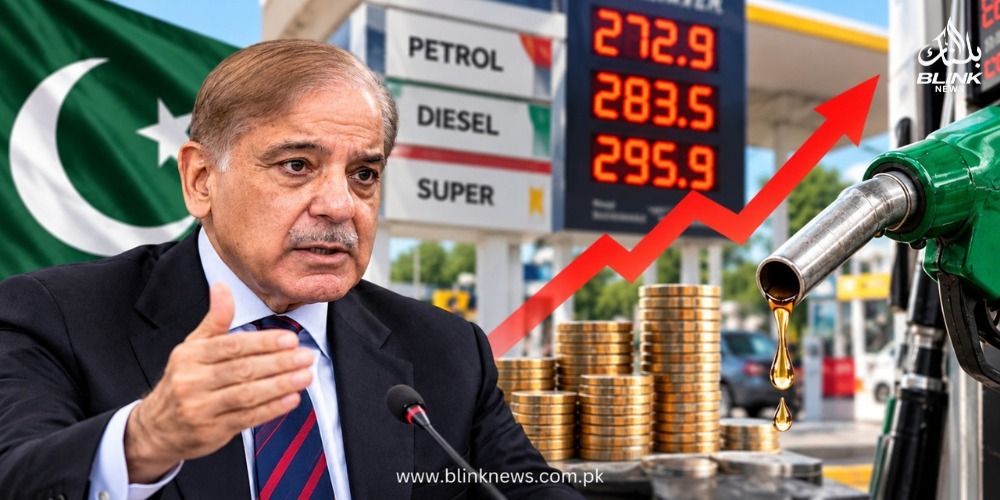
Prime Minister Shehbaz Sharif has acknowledged the financial pressure that rising petroleum prices place on the people of Pakistan, emphasizing that diplomatic efforts are continuing to address the crisis. The statement highlights the government’s concern over the impact of fuel costs on household budgets, transportation, and business activity.
Higher petroleum prices can affect more than the cost of filling a vehicle’s tank. They can also increase transportation expenses, raise the cost of moving goods, and contribute to higher prices for essential commodities. For families already managing tight budgets, these changes can create additional economic difficulties.
The government’s diplomatic efforts are therefore important not only for energy security but also for reducing the pressure on Pakistan’s economy. BlinkNews will continue to follow developments concerning fuel prices, government decisions, and the country’s economic outlook.
Shehbaz Sharif Recognizes the Public’s Financial Pressure
Prime Minister Shehbaz Sharif’s statement recognizes that increases in petroleum prices can place a significant burden on ordinary citizens. Fuel is an essential input for transport, agriculture, manufacturing, and the distribution of goods across Pakistan.
When petrol and diesel prices rise, commuters may face higher travel expenses. Transport operators can also experience increased operating costs, which may eventually be reflected in fares and delivery charges.
For small businesses, higher fuel expenses can reduce profit margins and make daily operations more expensive. These pressures can spread across different sectors, making petroleum prices an important issue for households and the wider economy.
Impact on Middle- and Low-Income Families
Middle- and low-income households are often particularly vulnerable to increases in essential expenses. Families that depend on motorcycles, cars, buses, or other forms of transport may need to spend more on daily travel.
Higher diesel costs can also affect agricultural machinery and goods transportation. If businesses pass these additional costs on to consumers, the prices of food and other necessities may increase.
The government’s acknowledgment of the public burden highlights the importance of considering household affordability when developing economic and energy policies.
Diplomatic Efforts Continue to Address the Crisis
According to the statement’s central message, Pakistan is continuing diplomatic efforts to help resolve the crisis. International engagement can be important when petroleum markets are affected by geopolitical tensions, supply disruptions, or uncertainty involving major oil-producing regions.
Diplomatic discussions may help countries communicate with international partners, protect energy supply routes, and explore ways to reduce the risks associated with market instability.
However, the results of such efforts depend on the nature of the crisis, the positions of other countries, and developments in international energy markets.
Why International Cooperation Matters
Pakistan relies significantly on imported energy to meet domestic requirements. Changes in international crude oil prices can therefore influence the country’s import bill and domestic fuel pricing.
When global oil prices increase, importing petroleum products becomes more expensive. Currency movements, shipping costs, insurance expenses, and other factors can add further pressure.
International cooperation may help address some of these challenges, although diplomatic engagement cannot guarantee an immediate reduction in fuel prices.
For Pakistan, maintaining reliable energy supplies while managing costs remains a major economic priority.
How Higher Petroleum Prices Affect Pakistan’s Economy
The effects of a petroleum price increase extend beyond motorists. Fuel is closely connected to the movement of agricultural products, industrial materials, medicines, construction supplies, and consumer goods.
When transportation costs increase, businesses may face higher expenses throughout their supply chains. These additional costs can contribute to inflation if companies raise the prices of their products and services.
Transportation and Business Costs
Public transport operators often depend on petrol or diesel to run their vehicles. An increase in fuel expenses can place pressure on their finances and may lead to demands for higher fares.
Delivery companies, manufacturers, and retailers can also face increased costs. Small businesses with limited financial resources may find it particularly difficult to absorb these changes.
Inflation and Household Budgets
Rising fuel costs can contribute to inflation by increasing the cost of producing and transporting goods. The final impact depends on market conditions, government policies, and whether businesses absorb or pass on the additional expenses.
For households, higher transport and commodity costs can leave less money available for education, healthcare, savings, and other essential needs.
This is why discussions about Pakistan petroleum price increases remain closely linked to the broader cost-of-living situation.
What Can the Government Do to Reduce the Burden?
While international developments can influence petroleum prices, domestic policy decisions also affect how the burden is distributed.
The government can assess targeted support for vulnerable households, improve public transportation, encourage energy efficiency, and review policies that influence fuel costs. Any relief measures must also be considered alongside budgetary constraints and the country’s wider economic commitments.
Clear communication about pricing decisions can help citizens understand the factors behind changes in petrol and diesel rates.
Authorities can also encourage more efficient fuel consumption and explore longer-term options for reducing dependence on imported petroleum.
Balancing Public Relief and Economic Stability
Reducing fuel costs can provide immediate relief, but broad subsidies may place additional pressure on government finances. Policymakers must therefore weigh short-term affordability against long-term fiscal stability.
Targeted assistance, improved transport services, and policies that support reliable energy supplies may help address some of the challenges faced by ordinary citizens.
The effectiveness of these measures will depend on their implementation, available resources, and changing market conditions.
What Happens Next?
The next developments will depend on international oil prices, the progress of diplomatic engagement, and the government’s decisions on domestic petroleum pricing.
Citizens and businesses will be watching for official announcements about fuel rates and any relief initiatives. Changes in global energy markets could also influence the government’s options in the coming weeks.
For now, the acknowledgment of public hardship underscores the importance of addressing both energy security and affordability.
Conclusion
Prime Minister Shehbaz Sharif’s acknowledgment of the burden caused by petroleum price increases highlights a major concern for households and businesses across Pakistan. Higher fuel costs can affect transportation, commodity prices, inflation, and overall economic activity.
Continued diplomatic efforts may help Pakistan respond to the wider crisis, but their impact will depend on international developments and the availability of practical solutions. Domestic measures that support vulnerable families and improve energy efficiency may also help reduce pressure on consumers.
BlinkNews will continue to cover official announcements, petroleum price developments, and their implications for Pakistan’s economy and the public.