
Introduction
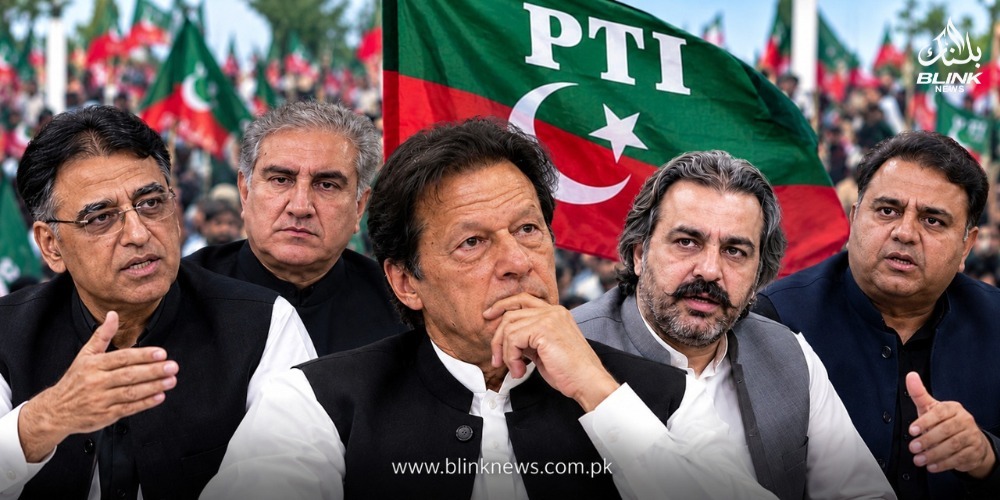
Pakistan’s political landscape continues to face challenges as questions emerge about the strategy adopted by Pakistan Tehreek-e-Insaf (PTI). Some serious-minded leaders within the party reportedly believe that a more flexible political approach, rather than persistent confrontation, could have helped the party preserve its political space and strengthen its position.
The debate over PTI political strategy highlights a wider question in Pakistani politics: whether confrontation or negotiation is more effective in achieving political objectives. While a firm opposition stance can mobilize supporters, prolonged disputes may also limit opportunities for dialogue and cooperation.
The issue remains relevant as political parties consider how to protect their influence, maintain public support, and participate effectively in parliamentary and democratic processes. BlinkNews examines the broader implications of this debate for PTI and Pakistan’s political environment.
Why PTI Leaders Are Questioning the Confrontational Approach
The reported position attributed to serious PTI leaders suggests that political flexibility could have helped the party avoid some of the challenges it faces today. According to this viewpoint, a strategy based primarily on confrontation can make it harder to build relationships with other political groups.
Political disagreements are common in democratic systems. However, when differences become prolonged disputes, opportunities for negotiations, parliamentary cooperation, and consensus-building may become more limited.
For PTI, the central question is whether a different approach could have protected its political influence while allowing the party to maintain its opposition role.
The Cost of Political Confrontation
A confrontational strategy can demonstrate resistance and strengthen the connection between party leadership and committed supporters. It can also draw attention to political demands and put pressure on decision-makers.
However, sustained confrontation may create difficulties when a party needs support from other political stakeholders. It can reduce trust, complicate negotiations, and make agreements harder to achieve.
Critics of this approach argue that political parties must evaluate not only the immediate benefits of resistance but also its long-term consequences.
Could a Flexible Political Strategy Have Helped PTI?
A flexible political approach does not necessarily mean abandoning principles or withdrawing from opposition politics. Instead, it can involve choosing the right time for negotiations, maintaining communication channels, and identifying areas where agreement is possible.
The debate surrounding PTI political strategy raises the possibility that selective cooperation could have helped the party retain greater room for political engagement.
Negotiations and Parliamentary Engagement
Parliament provides an important platform for political parties to raise concerns, challenge government policies, and negotiate legislative changes. Active participation can help opposition parties influence debates even when they do not control the government.
Dialogue with rival parties can also create opportunities to discuss electoral concerns, constitutional matters, political restrictions, and other national issues.
For PTI, a balanced strategy could involve maintaining a strong position on key demands while remaining open to negotiations where progress is possible.
Such an approach would require clear objectives, consistent communication, and a willingness among all relevant parties to engage in meaningful discussions.
PTI’s Political Challenges in Pakistan
PTI remains a major part of Pakistan’s political debate, with its leadership, supporters, and relations with other political parties continuing to attract public attention.
The party’s future political position depends on several factors, including its organizational strength, public support, leadership decisions, parliamentary engagement, and ability to respond to changing circumstances.
Maintaining Public Support
Public support is important for every political party, but maintaining it requires more than mobilizing supporters during periods of political tension.
Voters may also evaluate a party’s ability to offer practical solutions, participate in democratic institutions, and communicate a credible plan for the country.
A political strategy that combines clear demands with constructive engagement could help a party appeal to a broader range of voters. However, its effectiveness would depend on how consistently the strategy is implemented and whether other political actors respond positively.
Avoiding Political Isolation
Political isolation can become a challenge when communication between parties breaks down. Without dialogue, even issues that could potentially be resolved through negotiations may remain unsettled.
A flexible approach could help PTI maintain contact with political stakeholders and explore opportunities for cooperation without giving up its core positions.
Nevertheless, political flexibility alone cannot guarantee success. Government decisions, legal developments, public opinion, and the conduct of other parties also influence the political environment.
What This Debate Means for Pakistan’s Democracy
The discussion about confrontation and flexibility extends beyond PTI. Pakistan’s democratic system depends on political parties being able to disagree while continuing to use constitutional and parliamentary channels.
Dialogue can help reduce tensions, improve communication, and create space for agreements on issues of national importance. At the same time, opposition parties must retain the ability to question government decisions and represent the concerns of their supporters.
The challenge is finding a balance between political resistance and practical engagement.
A healthier political environment would require cooperation from both government and opposition leaders. Negotiations are more likely to produce results when participants establish clear objectives, respect democratic processes, and demonstrate a genuine willingness to address disagreements.
What Could Happen Next?
The future direction of PTI’s political approach will depend on decisions by its leadership and developments across Pakistan’s political landscape.
If the party places greater emphasis on dialogue, it may find additional opportunities to engage with political rivals and pursue its demands through parliamentary channels. If confrontation continues to dominate, political tensions could remain difficult to resolve.
These outcomes are possibilities rather than certainties. The effectiveness of any strategy will depend on the circumstances, the demands being negotiated, and the willingness of other stakeholders to participate.
Observers will continue to assess whether PTI can combine political pressure with negotiation to protect its influence and advance its objectives.
Conclusion
The debate over PTI political strategy highlights the importance of balancing political principles with flexibility. The view attributed to serious-minded party leaders suggests that a less confrontational approach might have preserved more opportunities for political engagement.
However, the consequences of any political strategy depend on decisions made by all sides, not just one party. Constructive dialogue, parliamentary participation, and clear negotiating goals could help reduce political deadlock and strengthen democratic engagement in Pakistan.
BlinkNews will continue to follow developments involving PTI, political negotiations, and the wider debate over Pakistan’s democratic future.