
Introduction
Relations between the United States and Iran have remained tense for more than four decades. The 1979 Islamic Revolution transformed Iran’s political system and triggered a major diplomatic crisis with Washington. Since then, disputes over regional influence, economic sanctions, nuclear activities, and security have repeatedly strained relations between the two countries.
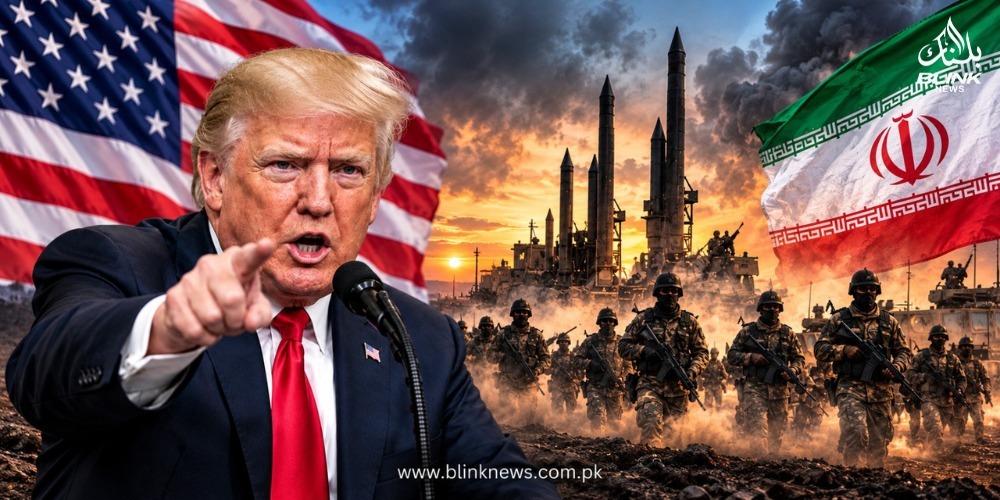
The statement that Iran has been waging war against the United States since 1979 reflects a long-running argument in American foreign policy about Tehran’s actions and its relationship with Washington. Donald Trump has repeatedly taken a hard-line position toward Iran, emphasizing national security, sanctions, and efforts to limit the country’s regional influence.
For readers following international affairs, the historical background helps explain why the United States and Iran continue to face serious disagreements and why their relationship remains important to global politics.
How the US-Iran Conflict Began in 1979
The modern confrontation between Washington and Tehran began with the Iranian Revolution. In 1979, the revolution overthrew the monarchy of Shah Mohammad Reza Pahlavi and established the Islamic Republic under Ayatollah Ruhollah Khomeini.
Before the revolution, Iran had maintained close political and security ties with the United States. The new Iranian leadership adopted a strongly anti-American position, arguing that Washington had interfered in Iran’s internal affairs and supported the former shah.
The Tehran Hostage Crisis
One of the most significant events occurred in November 1979, when Iranian students seized the US Embassy in Tehran and took American diplomats and other personnel hostage.
The crisis lasted 444 days and became a defining moment in US-Iran relations. It severely damaged diplomatic ties and contributed to the United States cutting formal diplomatic relations with Iran in 1980.
The hostage crisis remains an important reason why the relationship between the two governments is viewed through a history of mistrust and confrontation.
Why Trump Takes a Hard Line Against Iran
Donald Trump has consistently presented Iran as a major security challenge for the United States and its allies. During his first presidency, his administration withdrew from the 2015 nuclear agreement, formally known as the Joint Comprehensive Plan of Action, in May 2018.
The agreement had placed restrictions on Iran’s nuclear programme in exchange for sanctions relief. Trump argued that the deal did not adequately address Iran’s missile programme, regional activities, and other security concerns.
Maximum Pressure and Economic Sanctions
Following the US withdrawal from the nuclear agreement, the Trump administration restored and expanded sanctions against Iran under its maximum-pressure campaign.
These measures targeted important sectors of the Iranian economy, including oil exports, banking, and financial transactions. Washington said the policy was intended to pressure Tehran into accepting a broader agreement.
Iranian officials, however, criticized the sanctions as economic warfare and argued that Washington had undermined diplomacy by abandoning the nuclear deal.
The disagreement illustrates how both governments have presented their policies as defensive while accusing the other side of contributing to regional instability.
Major Sources of Tension Between Washington and Tehran
The conflict between the United States and Iran extends beyond the events of 1979. Several issues continue to influence relations between the two countries.
Iran’s Nuclear Programme
Iran’s nuclear activities remain a central point of disagreement. The United States and several other countries have raised concerns about the possibility of Iran developing nuclear weapons. Tehran has maintained that its nuclear programme serves peaceful purposes, although disputes over enrichment and international monitoring have complicated negotiations.
The future of nuclear diplomacy remains important for preventing further escalation and reducing the risk of military confrontation.
Regional Influence and Security
Washington has also criticized Iran’s support for armed groups and its influence across parts of the Middle East. These concerns are linked to conflicts and security disputes involving countries such as Iraq, Syria, Lebanon, and Yemen.
Iran argues that its regional policies are intended to protect its national interests and deter external threats. The United States and its regional partners often view some of these activities as destabilizing.
These competing positions have made negotiations difficult and increased the risk of confrontation.
What the Longstanding Dispute Means for the Middle East
Continued tensions between the United States and Iran can affect regional stability, international energy markets, and diplomatic relations.
Any serious escalation could disrupt shipping routes, increase uncertainty in oil markets, and place additional pressure on neighbouring countries. Military confrontation could also make diplomatic solutions more difficult.
At the same time, negotiations and communication channels can help reduce misunderstandings and create opportunities for agreements on nuclear activities, regional security, and sanctions.
For international observers, the central question is whether Washington and Tehran can find a way to manage their differences without further conflict.
Can the United States and Iran Improve Relations?
Improving relations would require both governments to address decades of mistrust. Potential areas for discussion include nuclear restrictions, sanctions relief, regional security, and the treatment of detained citizens.
Any lasting agreement would likely require clear commitments, verification mechanisms, and sustained diplomatic engagement. Domestic political pressures in both countries could make compromise challenging.
The historical record also shows that periods of negotiation have been possible despite deep disagreements. Whether future efforts succeed will depend on the priorities of both governments and developments across the Middle East.
Conclusion
The claim that Iran has been waging war against the United States since 1979 reflects the long and complicated history between Washington and Tehran. The Islamic Revolution and the Tehran hostage crisis established a pattern of mistrust that later disputes over sanctions, nuclear activities, and regional security have reinforced.
Donald Trump’s hard-line approach has emphasized pressure on Iran, while Iranian leaders have criticized American sanctions and policies. Understanding both the historical background and the competing positions is essential to assessing the current relationship.
BlinkNews will continue to follow developments in US-Iran relations, including diplomatic efforts, security concerns, and decisions that could influence the future of the Middle East.