
Introduction
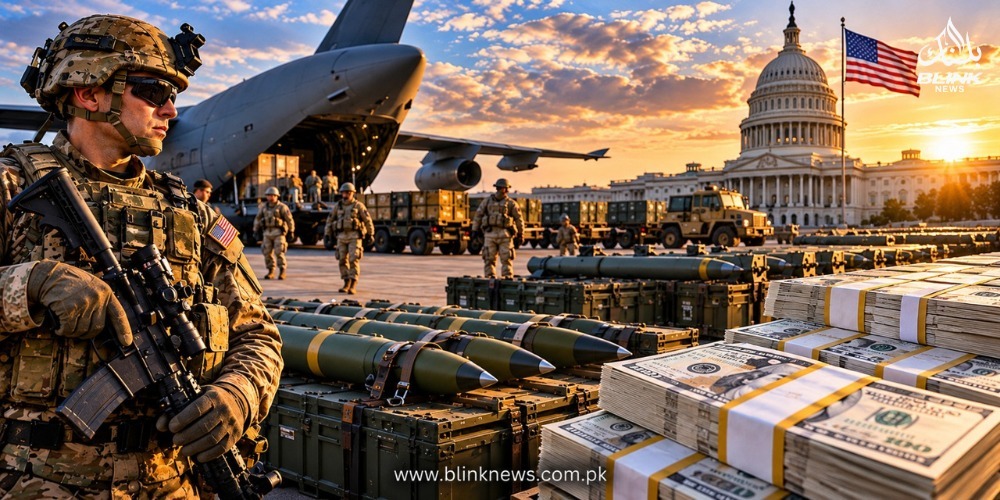
A new report estimates that US war costs have reached approximately $47 billion, including more than $29 billion for munitions and missiles. The reported figures highlight the substantial financial burden associated with modern military operations and the growing importance of weapons, ammunition, and advanced defense technology.
The estimate draws attention to the cost of sustaining military operations, replenishing weapons supplies, and maintaining the equipment required for national security. It also raises questions about defense spending priorities, the long-term financial impact of conflict, and the pressure that prolonged military engagements can place on government budgets.
For readers following international affairs, the figures offer a reminder that the consequences of war extend beyond the battlefield. Military operations can affect public finances, defense planning, international security, and broader economic priorities.
US War Costs Reach an Estimated $47 Billion
The report puts the overall cost of the conflict at around $47 billion. Although the exact scope and methodology of the estimate require confirmation from the original source, the reported total illustrates the scale of spending associated with major military operations.
Military costs can include weapons purchases, ammunition, aircraft operations, equipment maintenance, transportation, personnel support, intelligence activities, and logistical services. Depending on the report’s methodology, some expenses may represent money already spent, while others may reflect estimated replacement costs or projected requirements.
Understanding these categories is important when assessing the overall financial burden of a conflict.
Why Military Operations Require Extensive Funding
Modern warfare relies on a complex network of military equipment, technology, transportation, communications, and supply systems. Each operation requires resources to deploy forces, maintain readiness, and replace equipment consumed or damaged during combat.
Advanced aircraft, air defense systems, guided weapons, and surveillance technology can also involve substantial procurement and operating expenses.
As operations continue, governments may need additional funding to maintain existing capabilities while ensuring that other defense commitments are not weakened.
More Than $29 Billion Linked to Munitions and Missiles
One of the most significant figures in the headline is the reported allocation of more than $29 billion to munitions and missiles. This represents a major portion of the estimated total and highlights the financial importance of weapons used in modern military campaigns.
Munitions include ammunition and other materials used by military forces. Missiles cover a wide range of systems, including weapons designed to strike ground targets, intercept incoming threats, or support other military objectives.
The cost of these systems varies considerably according to their design, technology, production requirements, and intended use.
Why Missiles and Ammunition Are Expensive
Modern missiles can incorporate precision guidance, advanced sensors, propulsion systems, and specialized components. These technologies require research, engineering, testing, and sophisticated manufacturing processes.
The cost of using such weapons also extends beyond the initial purchase price. Governments may need to fund storage, transportation, maintenance, testing, and replacement production.
When military operations consume large quantities of ammunition, defense agencies must assess how quickly existing stockpiles can be replenished.
The reported spending figure therefore raises broader questions about production capacity, weapons availability, and the sustainability of military operations.
Pressure on the US Defense Budget
The estimated US war costs could influence discussions about defense funding and future military spending. Large operational expenses may require adjustments to existing budgets or requests for additional congressional appropriations, depending on the circumstances.
The United States already funds a wide range of defense responsibilities, including personnel, military bases, research, equipment procurement, and overseas deployments.
Additional conflict-related expenditure can create difficult choices for policymakers who must balance immediate operational needs against longer-term national security priorities.
Replenishing Weapons Stockpiles
Replacing missiles and ammunition is not always a quick process. Some advanced weapons depend on specialized components, complex manufacturing lines, and a limited number of qualified suppliers.
Increased demand can place pressure on defense contractors and supply chains. Expanding production may require new facilities, additional workers, investment in manufacturing equipment, and long-term procurement agreements.
These factors mean that the financial impact of military operations can continue even after the immediate intensity of a conflict decreases.
Wider Economic and International Implications
Military spending can have effects beyond government defense accounts. Large procurement programs may support manufacturing jobs and defense-related businesses, but they also involve public resources that could otherwise support infrastructure, healthcare, education, or other priorities.
The economic consequences depend on how spending is financed, the condition of the wider economy, and the duration of military operations.
Internationally, major weapons expenditures can influence defense planning among allies and rival states. Governments may reconsider their own stockpiles, procurement strategies, and security partnerships in response to changing military conditions.
However, the headline figures alone do not establish the conflict’s complete economic impact or determine how much of the reported expenditure represents additional spending rather than costs already included in existing budgets.
What the $47 Billion Estimate Means
The reported total provides a useful starting point for understanding the financial scale of the conflict, but the underlying methodology remains essential.
Readers should distinguish between confirmed expenditure, estimates of equipment replacement costs, projected future spending, and broader economic losses. These categories measure different things and should not automatically be combined.
The original report’s publication date, definition of total war costs, and accounting period are also important when comparing the estimate with official Pentagon figures or other defense spending reports.
Further details from the report’s publisher and relevant US government agencies would help clarify the breakdown and provide context for the reported figures.
Conclusion
The report’s estimate of $47 billion in US war costs, including more than $29 billion for munitions and missiles, highlights the enormous financial demands associated with modern military operations.
Weapons procurement, ammunition replacement, logistics, and operational support can place sustained pressure on defense budgets. The figures also underline the importance of understanding how military expenditure is calculated and how governments balance immediate security requirements with long-term financial priorities.
As more details become available, the report’s methodology and official spending data will be important for assessing the full cost of the conflict. BlinkNews will continue to cover major developments in international affairs, defense policy, and global security.