
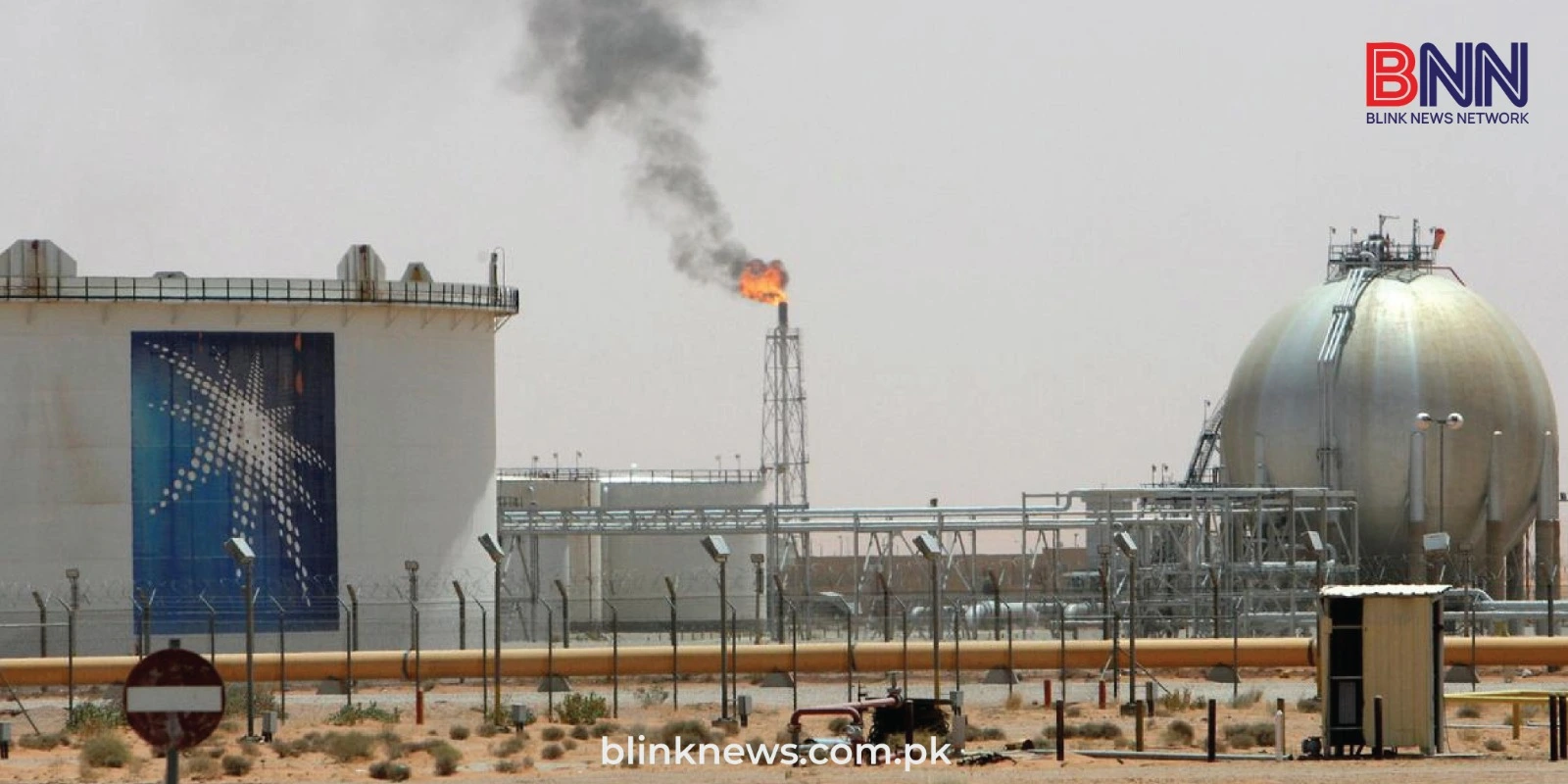
Pakistan has formally requested financial assistance from Saudi Arabia, seeking a $5 billion deposit in the State Bank of Pakistan along with a $5 billion oil facility to help stabilize its economy and ease pressure on foreign reserves. Officials stated that the proposed oil arrangement would allow Pakistan to import crude on deferred payment terms, providing breathing space for the country’s strained foreign exchange position.
The request comes amid ongoing economic challenges for Pakistan, including dwindling reserves and rising inflation, which have put pressure on both policymakers and households. Historically, Saudi Arabia has extended similar support during periods of economic difficulty, reinforcing the longstanding financial and strategic ties between the two countries. Analysts note that such assistance often serves as a bridge while Pakistan works with international financial institutions on broader economic reforms.
According to officials familiar with the matter, the deposit in Pakistan’s central bank would directly strengthen foreign currency reserves, while the deferred oil payments would help maintain energy imports without immediate outflows of hard currency. The government has emphasized that this dual support could provide critical relief as it continues to implement structural reforms aimed at fiscal consolidation and economic stabilization.
Saudi officials have not yet publicly commented on the request, though sources indicate that discussions are ongoing. Observers say that approval could reinforce investor confidence and help Pakistan navigate a period of tight liquidity. The proposed financial package also reflects the broader strategic and economic cooperation between Islamabad and Riyadh, which spans trade, energy, and development assistance.
Economic experts highlight that while external support can provide short-term relief, Pakistan’s long-term stability will depend on domestic fiscal discipline, improved tax collection, and targeted energy sector reforms. The government has been in talks with multilateral lenders, including the International Monetary Fund, to secure complementary support while ensuring that any bilateral assistance aligns with existing reform programs.
Public reaction to the news has been mixed. Some citizens see the potential aid as a necessary step to shield the economy from immediate shocks, while others express concern over the continued reliance on foreign financing. Analysts caution that while Saudi support may reduce near-term financial stress, it does not replace the need for sustainable economic measures at home.
If the request is approved, Pakistan could benefit from immediate relief in foreign reserves and energy imports, giving policymakers more room to pursue structural reforms and stabilize macroeconomic indicators. The coming weeks are expected to bring further updates as negotiations between the two governments continue, with potential implications for Pakistan’s broader economic recovery and investor confidence.