
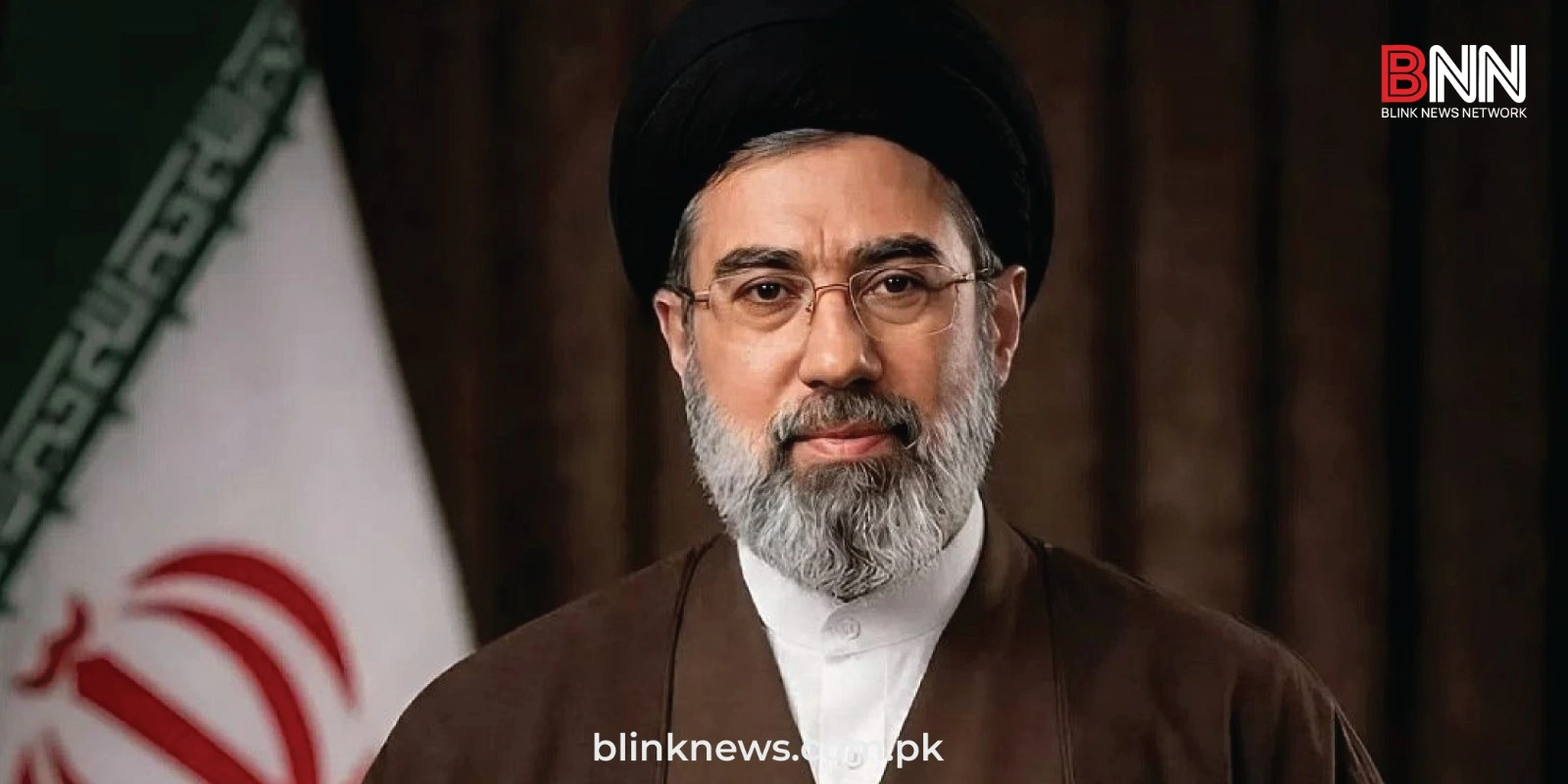
Iran has confirmed a historic leadership transition as Mojtaba Khamenei was officially appointed the country’s new Supreme Leader, following the death of his father, Ayatollah Ali Khamenei, in a recent airstrike linked to the ongoing U.S.-Israel conflict. The announcement was made by Iran’s Assembly of Experts, the powerful clerical body tasked with selecting the nation’s highest authority. Mojtaba Khamenei, 56, assumed office on March 8, 2026, marking a rare dynastic succession in the Islamic Republic.
Ayatollah Ali Khamenei had led Iran for nearly four decades, shaping the nation’s domestic policies and regional strategy. His death in an airstrike sent shockwaves across the Middle East, prompting immediate security measures and heightened military alert in Tehran. Mojtaba Khamenei had long been considered a behind-the-scenes power broker, known for his strong connections with Iran’s Islamic Revolutionary Guard Corps (IRGC) and other core state institutions. Analysts have noted that his rise reflects both continuity and consolidation of influence within Iran’s political-military establishment.
Officials in Tehran have emphasized stability during the transition, with state media reporting broad support from Iran’s clerical leadership and the IRGC. Public statements called on citizens to remain united as the country faces heightened regional tensions. While domestic support appears strong, international observers have raised questions about how Mojtaba Khamenei’s leadership might affect Iran’s relations with the United States, Israel, and neighboring Gulf states, particularly as the region navigates ongoing conflicts and sanctions pressures.
Mojtaba Khamenei’s appointment as the third Supreme Leader of Iran formalizes his control over the nation’s major institutions, including the military, judiciary, and state media. This marks the first instance in the Islamic Republic’s history where leadership has passed directly from father to son, a move that has stirred debate among political analysts, historians, and regional policymakers. Experts suggest that while his familial ties provide continuity, they also introduce uncertainties about succession norms and potential challenges from rival political factions within Iran.
The leadership change comes amid a volatile regional environment. The recent strike that killed Ali Khamenei underscored Iran’s vulnerability in the current geopolitical landscape, where tensions with Israel and the United States remain elevated. Observers are closely monitoring Iran’s next steps, particularly its response to external pressures and its domestic management of political stability. Mojtaba Khamenei’s first months in office are likely to set the tone for Iran’s regional strategy, internal governance, and the future of its clerical-led political system.
Iran’s historic succession underscores both the resilience and fragility of its leadership structures. The world now watches as Mojtaba Khamenei assumes the mantle of power amid a critical period for the Middle East, with implications that could reverberate across global security and diplomacy for years to come.