
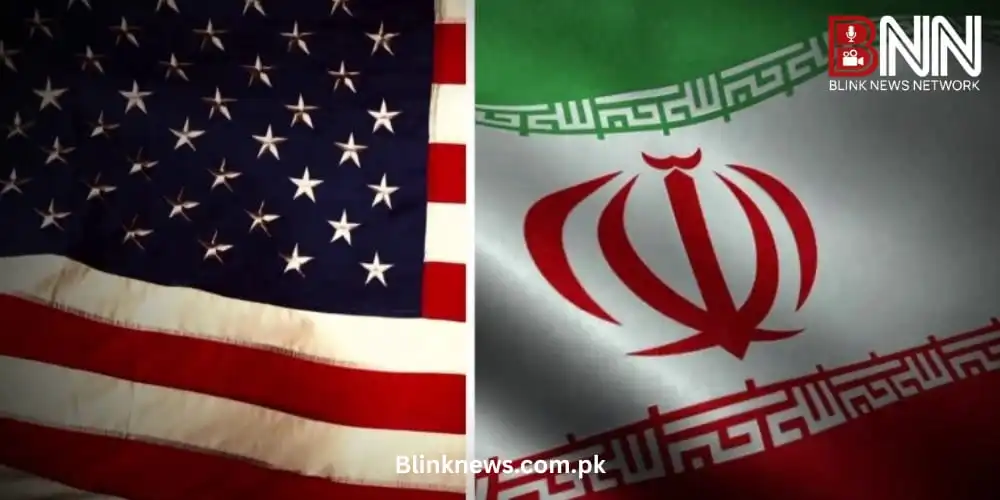
A newly announced U.S.-Iran agreement has reduced immediate tensions between the two longtime adversaries, but major disagreements remain unresolved, raising questions about whether the deal can lead to lasting peace. The preliminary memorandum of understanding (MOU) establishes a 60-day negotiation period aimed at finalizing a broader settlement after months of conflict.
While both sides have agreed to halt hostilities and work toward reopening the Strait of Hormuz, the most difficult issues have been postponed. Iran’s nuclear program remains the central sticking point, with negotiators yet to reach a final agreement on uranium enrichment, inspections, and the future of Tehran’s nuclear capabilities.
Another unresolved issue is the timing and scope of sanctions relief. Iran is seeking broader economic concessions, while U.S. officials insist that significant sanctions removal will depend on Tehran’s compliance with future commitments. Questions also remain regarding regional security arrangements and Iran’s influence across the Middle East.
The deal has also sparked debate over a proposed $300 billion reconstruction and development fund intended to support Iran’s economic recovery. Officials say the fund would be backed primarily through international and private-sector investment rather than direct U.S. government payments. However, critics argue that the details remain unclear and that financing commitments have yet to be fully defined.
Supporters describe the agreement as a diplomatic breakthrough that could stabilize global energy markets and reduce the risk of renewed conflict. Skeptics, however, warn that without clear solutions on nuclear issues, sanctions, and regional security, the current deal may prove to be only a temporary pause rather than a lasting peace settlement.