
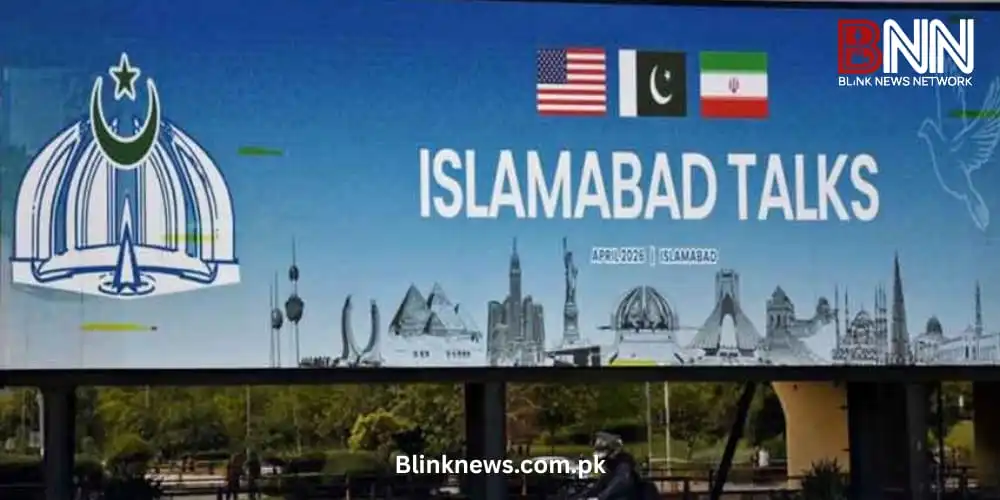
ISLAMABAD: Diplomatic negotiations between the United States and Iran may resume in Islamabad within days, according to emerging reports and statements from Pakistani officials, raising fresh hopes for a breakthrough in one of the most tense geopolitical stand-offs in the Middle East. Recent media reports say Islamabad and Geneva are under consideration as venues for the next round of talks.
Pakistan’s Defence Minister Khawaja Asif confirmed on Tuesday that there are “positive signals” suggesting both Washington and Tehran are preparing for another round of negotiations after earlier discussions in Islamabad ended without a final agreement. Reports from Pakistani media indicate Islamabad remains the most likely host city if both parties confirm the meeting.
The development comes after marathon negotiations between senior US and Iranian officials in Pakistan’s capital stretched over nearly 21 hours last weekend. Despite intense diplomatic engagement, the two sides failed to reach a conclusive deal, though both acknowledged the talks were substantive and constructive.
Officials familiar with the negotiations say the discussions centered primarily on Iran’s nuclear programme, sanctions relief, regional military tensions, and security guarantees sought by both nations. However, major disagreements reportedly remain over Washington’s demands for long-term assurances that Tehran will not pursue nuclear weapons capabilities. US officials have publicly said they have not yet received the commitments they seek from Iran on this issue.
Iranian representatives, meanwhile, are believed to have pushed back against what they described as “excessive demands” by Washington, insisting that any future agreement must include the easing of sanctions and recognition of Iran’s rights under international law. Iranian officials have also framed diplomacy as a continuing process rather than a one-time event, signaling willingness to keep negotiating if the US shows “good faith.”
Pakistan has emerged as an unexpected but increasingly important mediator in the diplomatic effort, leveraging its relationships with both Western and regional powers. Islamabad hosted the recent negotiations under extraordinary security measures, deploying thousands of personnel, securing diplomatic zones, and transforming parts of the Serena Hotel and nearby convention centers into tightly controlled negotiation spaces.
Prime Minister Shehbaz Sharif’s government has positioned itself as a neutral facilitator, with top Pakistani officials emphasizing that their role is to create space for dialogue rather than dictate outcomes. Diplomatic insiders say Pakistan’s balanced ties with Gulf nations, China, the United States, and Iran have made it a credible venue for talks at a time when trust between Washington and Tehran remains extremely low.
“The objective is peace through dialogue,” a senior Pakistani government source said, adding that Islamabad remains ready to host “as many rounds as necessary” to keep negotiations alive.
Global analysts view the possible resumption of talks as a crucial step in preventing a broader regional escalation. Tensions between the US and Iran have remained dangerously high in recent months amid military posturing in the Gulf, disputes over maritime routes, and ongoing proxy conflicts involving regional allies.
Experts say another failed round of talks could risk pushing both sides toward greater confrontation, particularly if diplomatic momentum collapses entirely. However, many analysts note that the very willingness of both parties to consider meeting again suggests neither side wants negotiations to break down permanently.
“Diplomacy is still alive,” said one regional analyst. “Even without a deal, the fact that Washington and Tehran are considering another meeting shows that both sides see value in staying at the table.”
Markets and regional governments are watching developments closely, with oil prices and investor sentiment sensitive to any signs of conflict or reconciliation between the longtime adversaries. A successful round of talks could ease global economic concerns, particularly regarding energy supplies and shipping routes in the Gulf region.
Sources suggest the next round of talks could happen before the end of the week, though no official date has yet been announced. Islamabad and Geneva are both reportedly being weighed as possible venues, though Pakistan remains the frontrunner due to logistical and diplomatic advantages.
For Islamabad, hosting another round of negotiations would mark a significant diplomatic achievement and further elevate Pakistan’s standing on the global stage as a mediator capable of facilitating high-stakes international dialogue.
As anticipation builds, security preparations in the Pakistani capital are reportedly already under review, with contingency planning underway should the talks be formally confirmed.
The world now waits to see whether renewed diplomacy in Islamabad can achieve what previous efforts have failed to deliver: a meaningful breakthrough between two nations whose rivalry has shaped Middle Eastern politics for decades.
While challenges remain formidable, the prospect of resumed talks offers at least a glimmer of hope that diplomacy, rather than confrontation, may guide the next chapter of US-Iran relations.