
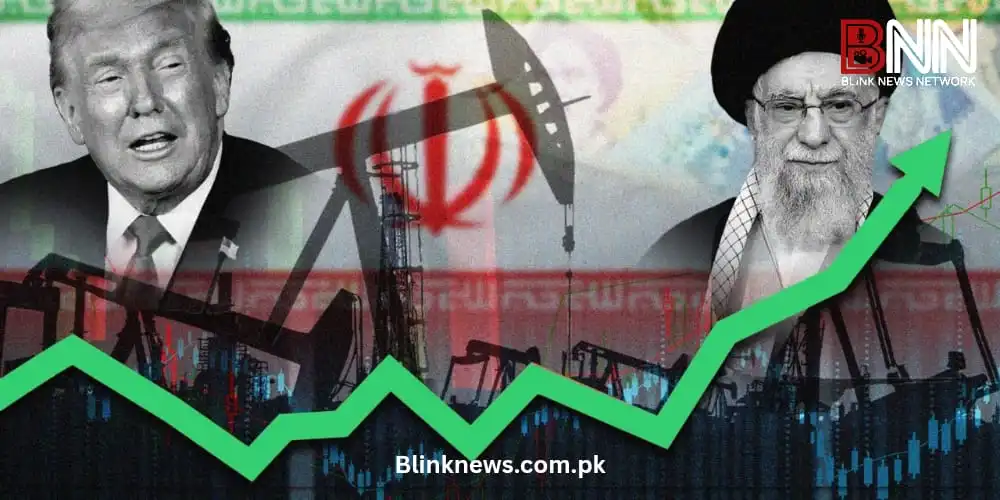
Global oil markets surged sharply on Thursday, with crude prices climbing to their highest level in four years as traders brace for a prolonged disruption to Iranian oil exports.
Benchmark Brent crude jumped around 6% to above $122 per barrel, driven by escalating concerns that the ongoing U.S.-led blockade on Iran could persist for months, severely tightening global supply.
The surge comes amid heightened tensions in the Middle East, particularly around the strategically vital Strait of Hormuz — a key artery for global oil shipments — where restricted flows have amplified fears of a sustained energy crunch.
Market sentiment has shifted decisively, with traders now pricing in a longer-term disruption rather than a short-lived geopolitical shock. Analysts say the possibility of an extended blockade has raised alarms over supply shortages and inflationary pressure worldwide.
The price spike has already sent shockwaves through global financial markets. Bond yields climbed as investors adjusted expectations for interest rates, with central banks likely to keep policies tighter for longer in response to rising energy-driven inflation.
The crisis stems from the ongoing standoff between the United States and Iran, where efforts to revive negotiations have stalled, and military and economic pressure tactics — including restricting Iranian oil exports — continue to intensify.
Experts warn that if the blockade continues or escalates further, oil prices could remain volatile, with ripple effects across global trade, fuel costs, and economic growth.
More developments are expected as geopolitical tensions evolve and markets react to any signals of escalation or de-escalation.