
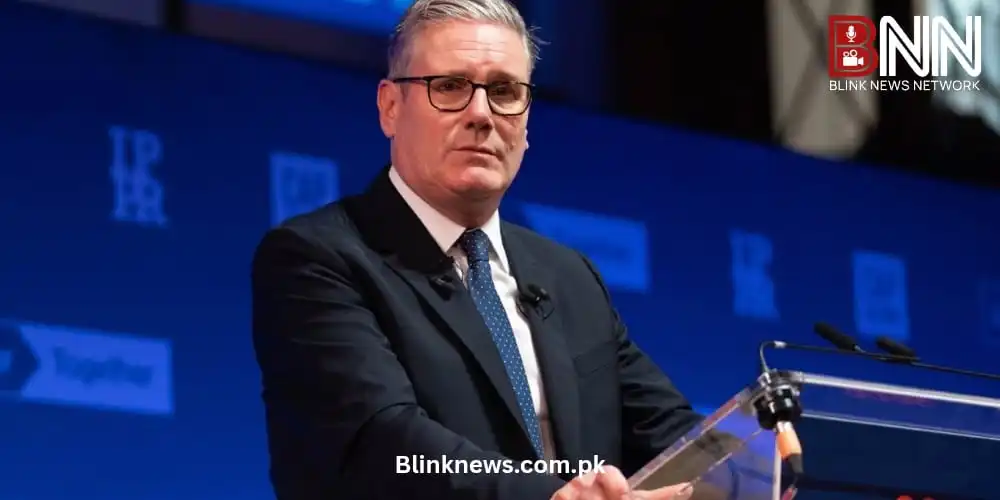
Fresh questions are emerging around the political credentials, leadership prospects, and public standing of the man increasingly viewed as a potential successor to UK Prime Minister Keir Starmer.
As speculation grows over the future direction of British politics, attention has shifted toward a leading figure within the political establishment who is widely considered a frontrunner to eventually replace Starmer. However, recent developments have intensified scrutiny, prompting debate among party members, political analysts, and voters.
Political observers note that while the potential successor has gained influence and visibility in recent months, concerns remain over key policy positions, leadership experience, and the ability to unite different factions within the party. Critics argue that unanswered questions could complicate any future leadership bid.
The renewed focus comes at a time when the UK government faces mounting challenges, including economic pressures, public service reforms, and ongoing international issues. Supporters of the potential successor insist that the individual possesses the skills and vision necessary to lead the country, while opponents remain unconvinced.
Analysts say the coming months could prove decisive. Any further controversies, policy disagreements, or shifts in public opinion may significantly affect the political landscape and the prospects of those seeking to position themselves as future national leaders.
For now, Prime Minister Keir Starmer remains firmly in office, but growing speculation about succession plans continues to fuel headlines across Westminster and beyond.
Political experts expect the debate to intensify as parties prepare for future elections and leadership contests, ensuring that every move by potential contenders will be closely watched.