
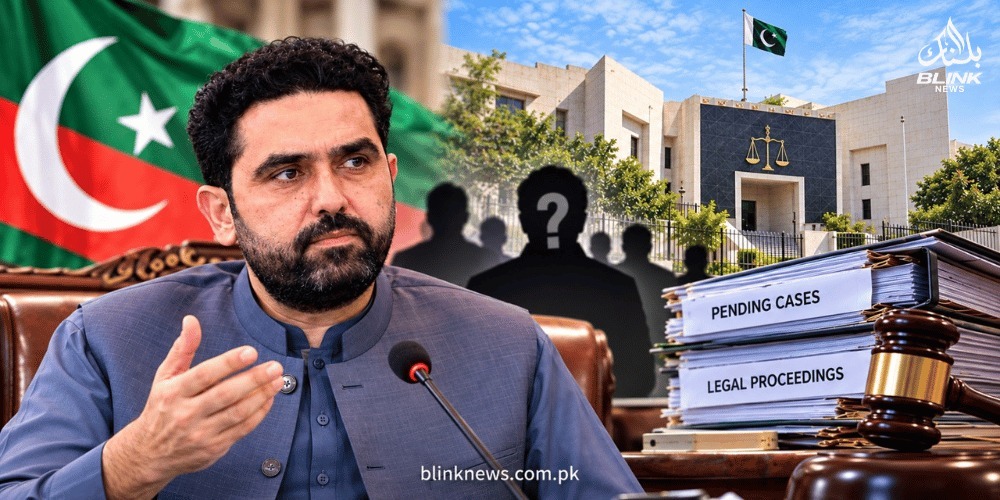
Sohail Afridi’s political future has come under scrutiny amid concerns surrounding preventive detention and pending legal cases. The situation raises questions about how ongoing legal proceedings and possible restrictions could affect his political activities and standing within Pakistan’s political landscape.
As political developments continue in Khyber Pakhtunkhwa, attention remains focused on the challenges facing political leaders associated with Pakistan Tehreek-e-Insaf (PTI). However, the precise impact of any detention or pending cases on Afridi’s future will depend on verified legal records, court decisions, and official statements.
For readers following Pakistan politics, the issue highlights the relationship between legal proceedings, political participation, and the ability of leaders to remain active in public life.
Legal Challenges and Sohail Afridi’s Political Future
The discussion surrounding Sohail Afridi’s political future reflects broader concerns about the legal challenges faced by political figures in Pakistan. Preventive detention and pending cases can create uncertainty for leaders, particularly when legal proceedings overlap with political activities.
Preventive detention generally refers to the temporary detention of a person under applicable law to prevent an anticipated threat or specified risk. Its legality depends on the relevant legal provisions, the grounds for detention, and compliance with constitutional safeguards.
A pending case, meanwhile, does not establish guilt. The accused person retains the right to due process, legal representation, and a fair hearing under the law.
In Afridi’s case, the specific legal position should be assessed through verified court documents and official records rather than political claims or speculation.
What Preventive Detention Could Mean
Preventive detention can affect a political leader’s ability to attend meetings, participate in public gatherings, communicate with supporters, or carry out organisational responsibilities.
The consequences depend on the nature of the detention order, its legal basis, and whether a court suspends, reviews, or overturns the relevant action.
Legal Safeguards and Court Review
Pakistan’s Constitution and applicable laws provide safeguards concerning liberty and detention. The precise protections available depend on the circumstances and the legal provisions invoked.
A person affected by detention may be able to challenge its legality through the appropriate judicial process. Courts can examine whether authorities followed the law and respected the person’s legal rights.
These safeguards are particularly important when legal action involves politically active individuals. A clear distinction must be maintained between allegations, formal charges, judicial findings, and convictions.
Pending Cases and Their Possible Political Impact
Pending cases can create uncertainty for political leaders even before a final judgment is delivered. Court appearances, legal consultations, travel restrictions where lawfully imposed, and other procedural requirements may affect political schedules.
For Sohail Afridi, the extent of any such impact depends on the actual status of his cases and the conditions attached to any legal orders. Without verified details, it would be premature to conclude that a particular case will prevent him from participating in politics.
Political Activity During Legal Proceedings
Political leaders often continue communicating with supporters while their cases move through the courts, provided they comply with applicable legal restrictions.
Their parties may also adjust organisational arrangements, assign responsibilities to other members, or change public engagement plans when legal uncertainty arises.
For PTI, the wider significance of Afridi’s situation would depend on his responsibilities within the party, the status of any proceedings, and decisions made by its leadership.
Implications for Khyber Pakhtunkhwa Politics
Khyber Pakhtunkhwa remains an important part of Pakistan’s political landscape. Developments involving prominent provincial political figures can influence party organisation, public debate, and relations between political groups.
The debate over Sohail Afridi’s political future may therefore attract attention from party supporters, political opponents, legal observers, and the wider public.
However, the long-term implications cannot be determined solely by the existence of pending cases. Court outcomes, party decisions, public support, and future political developments can all influence a leader’s position.
Political commentary should also distinguish between confirmed events and predictions about what may happen next.
What to Watch in the Coming Days
Several developments could help clarify the situation surrounding Afridi:
- Official statements: Confirmed comments from Afridi, his legal representatives, or relevant authorities could establish the current position.
- Court proceedings: Hearings, written orders, and judgments may clarify the status of pending cases.
- Detention-related decisions: Any verified detention order, review, release, or judicial intervention could affect his immediate political activities.
- Party response: Statements from PTI leadership may indicate how the party plans to manage its political activities.
- Future political engagement: Confirmed appearances, meetings, or organisational decisions may provide a clearer picture of his political role.
These developments should be assessed using reliable reporting and official documentation rather than unverified social media claims.
Why Due Process Matters
The handling of political cases is significant because the rule of law requires consistent legal standards, regardless of a person’s political position. Authorities must act within the law, while courts must independently assess the matters brought before them.
Likewise, allegations should not be treated as proof of wrongdoing. Fair reporting requires careful language, accurate attribution, and updates when reliable new information becomes available.
For readers, checking court records and credible news coverage can help separate established facts from political claims.
Conclusion
Sohail Afridi’s political future remains a subject of interest amid discussion of preventive detention and pending cases. The actual consequences will depend on verified legal developments, applicable restrictions, and decisions by the courts and political leadership.
Until reliable details establish the precise status of the relevant proceedings, definitive predictions about his political career would be premature. BlinkNews will continue covering developments in Pakistan politics, with attention to confirmed information, legal proceedings, and their potential implications for Khyber Pakhtunkhwa.