
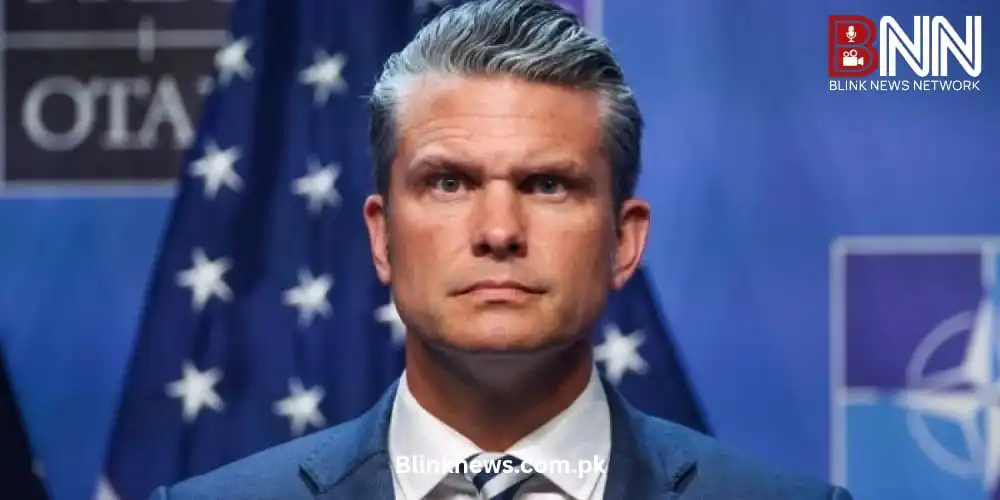
The U.S. Department of Defense will begin annual testosterone deficiency screenings for service members aged 30 and older under a new policy announced by Defense Secretary Pete Hegseth, who said the initiative is designed to improve military readiness and long-term health.
Speaking in a video released on social media, Hegseth said the screenings will become part of the military’s routine periodic health assessments. Service members under the age of 30 will also be able to undergo testing voluntarily.
“I’m authorizing a new screening program for testosterone deficiency for our service members, ensuring you have the right testosterone levels to operate at your absolute best,” Hegseth said. He argued that modern warfare demands peak physical and mental performance and said identifying hormone deficiencies early would help keep troops “strong, resilient and capable.”
Under the new policy, personnel diagnosed with testosterone deficiency may choose to receive testosterone replacement therapy, although treatment will remain voluntary. Pentagon officials said the initiative is intended to support overall health rather than provide artificial performance enhancement.
The announcement has prompted debate among medical experts and lawmakers. Some specialists caution that testosterone deficiency should only be diagnosed after multiple clinical evaluations and blood tests, warning against unnecessary hormone treatment. Others have questioned whether similar hormone health screenings will be offered to female service members.
The policy follows growing attention to hormone health within the U.S. military and comes amid broader discussions in the Trump administration about expanding access to testosterone therapies. The Pentagon has not yet released detailed implementation guidelines or specified when the screenings will begin across all military branches.