
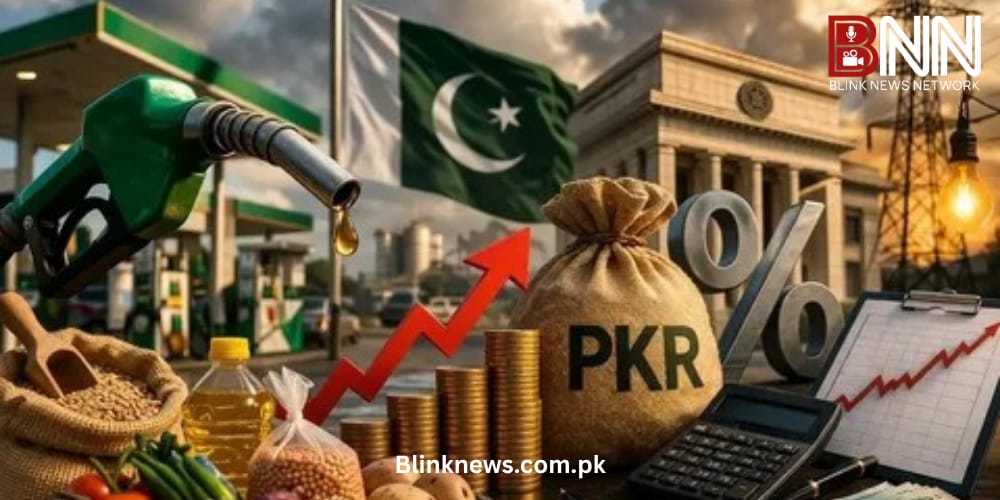
Pakistan could face renewed inflationary pressure as international sanctions and disruptions to regional trade threaten to affect exports, supply chains and the cost of imported goods, economists and analysts have warned.
The concerns come amid heightened tensions in the region and growing economic uncertainty. Pakistan, which relies heavily on imported fuel, machinery and raw materials, could be particularly vulnerable to higher transportation and energy costs if regional trade routes are disrupted.
A significant decline in exports would also put pressure on Pakistan’s foreign-exchange earnings. Lower export receipts could weaken the balance of payments and increase pressure on the domestic currency, potentially making imported products more expensive.
The latest regional developments have already highlighted the economic impact of sanctions. Iran has reported that its exports and imports have fallen by around 35 percent as a result of US sanctions and a naval blockade. Iranian President Masoud Pezeshkian has also acknowledged severe economic pressure, with annual inflation reaching 66 percent.
For Pakistan, any prolonged disruption to regional trade could have wider consequences. Higher freight, fuel and insurance costs could raise the prices of essential commodities and industrial inputs. Businesses facing increased production costs may ultimately pass those expenses on to consumers.
Analysts are also closely watching developments around the Strait of Hormuz, a critical route for global energy shipments. Continued instability could push energy prices higher, increasing Pakistan’s import bill and adding to inflation risks.
Pakistan has been working to strengthen its export base and improve foreign-exchange reserves, but external shocks could complicate these efforts.
The potential combination of weaker exports, higher import costs and currency pressure could create fresh challenges for policymakers already focused on maintaining economic stability.