
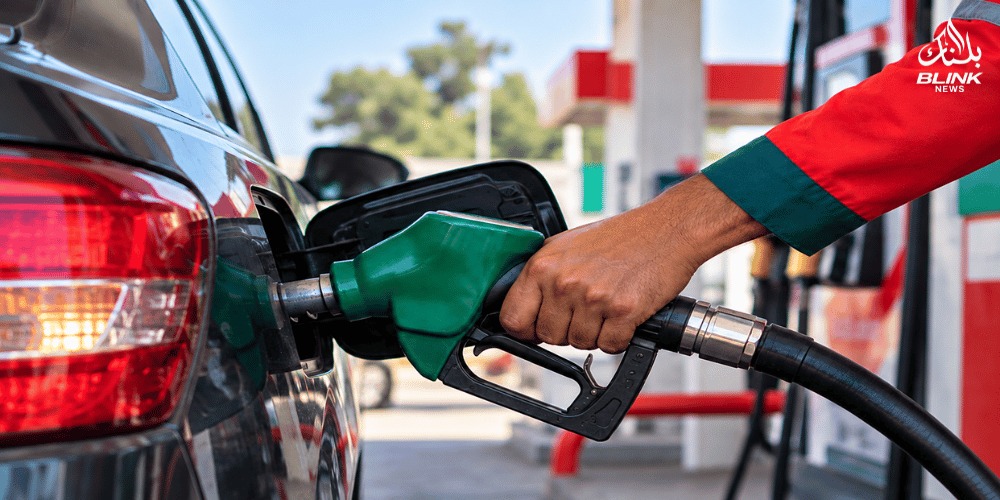
The petrol price cut by Rs1.93 has drawn attention from motorists, transport operators, businesses, and households across Pakistan. The reduction comes at a time when fuel prices remain an important factor in determining daily commuting expenses, transportation costs, and the prices of goods and services.
For millions of vehicle owners, even a small change in the price of petrol can affect their monthly budgets. The latest reduction may provide some relief to consumers, particularly those who regularly use motorcycles, cars, and other petrol-powered vehicles.
BlinkNews will continue to track developments related to petrol prices in Pakistan and other major economic updates affecting consumers.
Petrol Price Cut by Rs1.93: What We Know
The announced reduction means that the petrol rate has been lowered by Rs1.93 per litre from the previously applicable rate. The exact impact on consumers will depend on the quantity of fuel purchased and the distance travelled during the month.
For example, a motorist purchasing 20 litres of petrol would save around Rs38.60 compared with the previous rate, assuming the full Rs1.93 reduction is reflected at the point of purchase.
The change is particularly relevant for people who depend on private vehicles for work, education, business, and daily travel.
Why Petrol Prices Matter in Pakistan
Petrol prices have a direct and indirect effect on the wider economy. The most immediate impact is felt by vehicle owners, but fuel costs can also influence transportation and logistics expenses.
Businesses that depend on vehicles to move products may face changes in operating costs when fuel prices rise or fall. Transport operators can also be affected because fuel is one of the regular expenses involved in running their services.
A reduction in fuel prices may therefore provide some cost relief across different parts of the economy, although the final effect can vary depending on other expenses and market conditions.
Impact on Motorists
For ordinary motorists, the petrol price cut by Rs1.93 means a lower cost per litre at the applicable rate. The amount saved by an individual driver will depend on vehicle mileage, fuel consumption, and monthly driving distance.
People who drive longer distances may notice a greater difference in their monthly fuel spending than those who use their vehicles occasionally.
Impact on Transportation Costs
Fuel is an important operating expense for many transportation businesses. Changes in petrol prices can influence the cost of running cars, vans, and other petrol-powered vehicles.
However, a reduction in fuel prices does not automatically mean that transport fares or delivery charges will change. Those prices can also depend on wages, maintenance, vehicle costs, taxes, demand, and other operating expenses.
How Much Can Consumers Save?
The savings depend on the amount of petrol purchased.
A consumer buying 10 litres would save approximately Rs19.30 under a Rs1.93-per-litre reduction. Someone purchasing 30 litres would save around Rs57.90, while a 50-litre purchase would represent a saving of approximately Rs96.50.
These figures are simple calculations based on the stated reduction and do not include any additional changes in fuel prices, taxes, or charges.
For households managing tight monthly budgets, small reductions can still contribute to lower transportation expenses over time.
What the Petrol Price Change Could Mean for Inflation
Fuel prices are closely watched because transportation costs can influence the movement of goods and services. When fuel becomes more expensive, businesses may face higher transportation and distribution costs.
A reduction can ease one component of those expenses. However, the overall effect on inflation depends on several factors, including food prices, electricity costs, exchange rates, international oil prices, taxes, and other economic conditions.
Therefore, the latest reduction should be viewed as one factor within the broader economic picture rather than as a guarantee of lower prices across all products.
What Should Consumers Check?
Motorists should check the latest officially applicable petrol rate before calculating their expected monthly savings. They should also consider their vehicle’s fuel efficiency and driving habits.
Keeping tyres properly inflated, avoiding unnecessary idling, maintaining the engine, and planning trips efficiently can help reduce fuel consumption.
Consumers should also rely on official announcements and trusted news sources for future petrol price updates.
BlinkNews Coverage of Fuel Price Updates
BlinkNews provides readers with updates on major developments affecting Pakistan, including economic announcements, fuel prices, transportation, inflation, and other issues of public interest.
As petrol prices can change periodically, consumers should follow official announcements and reliable news reporting when checking the latest petrol rate.
Conclusion
The petrol price cut by Rs1.93 provides a reduction in the per-litre cost of petrol and may offer some financial relief to motorists and other fuel consumers. The actual saving for each household will depend on its monthly fuel consumption.
While lower petrol prices can reduce direct transportation expenses, the broader economic impact depends on several other factors. Consumers should continue monitoring official fuel-price announcements and manage their fuel consumption carefully.
Frequently Asked Questions
1. What is the latest petrol price cut?
The announced reduction is Rs1.93 per litre. The applicable retail price should be confirmed through the latest official notification.
2. How much can I save after the petrol price reduction?
Your savings depend on how much petrol you purchase. A Rs1.93 reduction means 20 litres would cost Rs38.60 less than before, assuming the reduction is fully reflected in the retail price.
3. Will transport fares decrease after the petrol price cut?
Not necessarily. Transport fares depend on several costs, including fuel, maintenance, wages, taxes, and operating expenses.
4. Why do petrol prices change in Pakistan?
Petrol prices can be affected by factors such as international oil prices, exchange rates, taxes, government pricing decisions, and other market conditions.
5. Where can I check petrol price updates in Pakistan?
Consumers should check official government or petroleum-sector announcements and follow reliable news outlets such as BlinkNews for updates.