
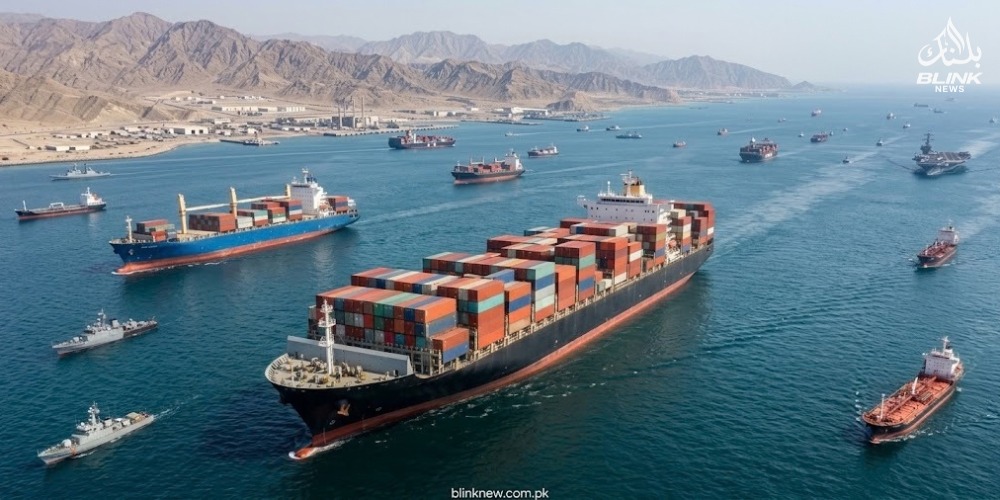
Iran has issued a strong warning to the United States over any possible military intervention, with an Iranian Armed Forces spokesman claiming that Iran controls the Strait of Hormuz and warning that Washington would face defeat if it intervenes. The statement adds to already heightened tensions surrounding the strategically important waterway and the wider Persian Gulf region.
The Strait of Hormuz is one of the world’s most important maritime routes because a significant share of global oil and energy shipments passes through the narrow waterway. Any military confrontation around the strait could therefore have consequences beyond the Middle East.
For BlinkNews readers, the latest statement highlights the strategic importance of the waterway and the potential risks associated with growing Iran-US tensions.
Iranian Military Issues Warning to the United States
The Iranian Armed Forces spokesman reportedly said that Iran controls the Strait of Hormuz, emphasizing Tehran’s military position around the strategic passage.
The spokesman also warned that the United States would face defeat if it decided to intervene militarily. The remarks reflect Iran’s long-standing emphasis on its ability to defend its territory and challenge foreign military activity in the region.
The statement comes amid broader concerns over possible escalation between Iran and the United States. Any direct confrontation involving American and Iranian forces could create additional pressure on regional security and international shipping.
Why the Strait of Hormuz Matters
The Strait of Hormuz connects the Persian Gulf with the Gulf of Oman and the Arabian Sea. Its geographic position makes it an essential route for international energy transportation.
Large quantities of crude oil, petroleum products and liquefied natural gas move through the area. Countries in the Gulf depend heavily on maritime routes for exporting energy to international markets.
As a result, developments involving the Iran Strait of Hormuz situation are closely watched by governments, energy companies and financial markets around the world.
Iran’s Strategic Position in the Gulf
Iran has significant geographic advantages because it borders the Strait of Hormuz and has a long coastline along the Persian Gulf and Gulf of Oman.
Iranian naval and military forces have previously emphasized their ability to monitor and respond to activity around the waterway. Tehran has also repeatedly linked the security of the Gulf to broader regional developments.
The latest comments underline the strategic importance Iran places on the passage. However, the claim that Iran controls the Strait of Hormuz is a statement attributed to the Iranian military spokesman and should be distinguished from an independently verified assessment of maritime control.
The distinction is important because commercial shipping through the region involves international vessels, multiple coastal states and established maritime routes.
Potential Impact on Global Energy Markets
Any serious disruption in the Strait of Hormuz could affect international energy markets because of the waterway’s role in global oil transportation.
A major security incident could increase concerns about shipping insurance, tanker operations and delivery schedules. It could also contribute to fluctuations in crude oil prices if traders anticipate supply disruptions.
Countries across Asia, Europe and other regions rely on energy supplies transported through the Persian Gulf. This makes maritime stability in the area an international economic concern.
Shipping and Maritime Security Concerns
For shipping companies, the primary concern is the safety of commercial vessels. Increased military activity could lead to additional security measures, changes in shipping procedures or greater risks for vessels operating near areas of tension.
International governments and maritime organizations typically monitor developments closely when tensions rise around major shipping corridors.
Any escalation involving US military forces and Iran could therefore have implications for both regional security and international commerce.
US-Iran Tensions Could Raise Regional Risks
The latest warning adds another layer to longstanding tensions between Tehran and Washington. Both countries have previously disagreed over military presence, regional influence and security issues.
Iran’s warning that the US would face defeat if it intervenes represents Tehran’s stated position. It does not by itself establish what would happen in a future military confrontation.
The potential consequences of escalation could extend beyond Iran and the United States. Other Gulf countries, international shipping companies and global energy consumers could also be affected by instability around the Strait of Hormuz.
BlinkNews will continue to follow developments related to Iran, the United States and the Persian Gulf as new information becomes available.
Conclusion
The Iranian Armed Forces spokesman’s statement that Iran controls the Strait of Hormuz and that the United States would face defeat if it intervenes signals a firm warning from Tehran amid continuing regional tensions.
The Strait remains strategically important because of its role in global energy transportation and international shipping. While Iran’s military capabilities and geographic position give it an important role in the region, claims about control and the possible outcome of a military confrontation should be distinguished from independently verified assessments.
Any further escalation around the Strait of Hormuz could have consequences for maritime security, energy markets and countries dependent on Gulf exports. For that reason, developments in the region are likely to remain a major international focus.