
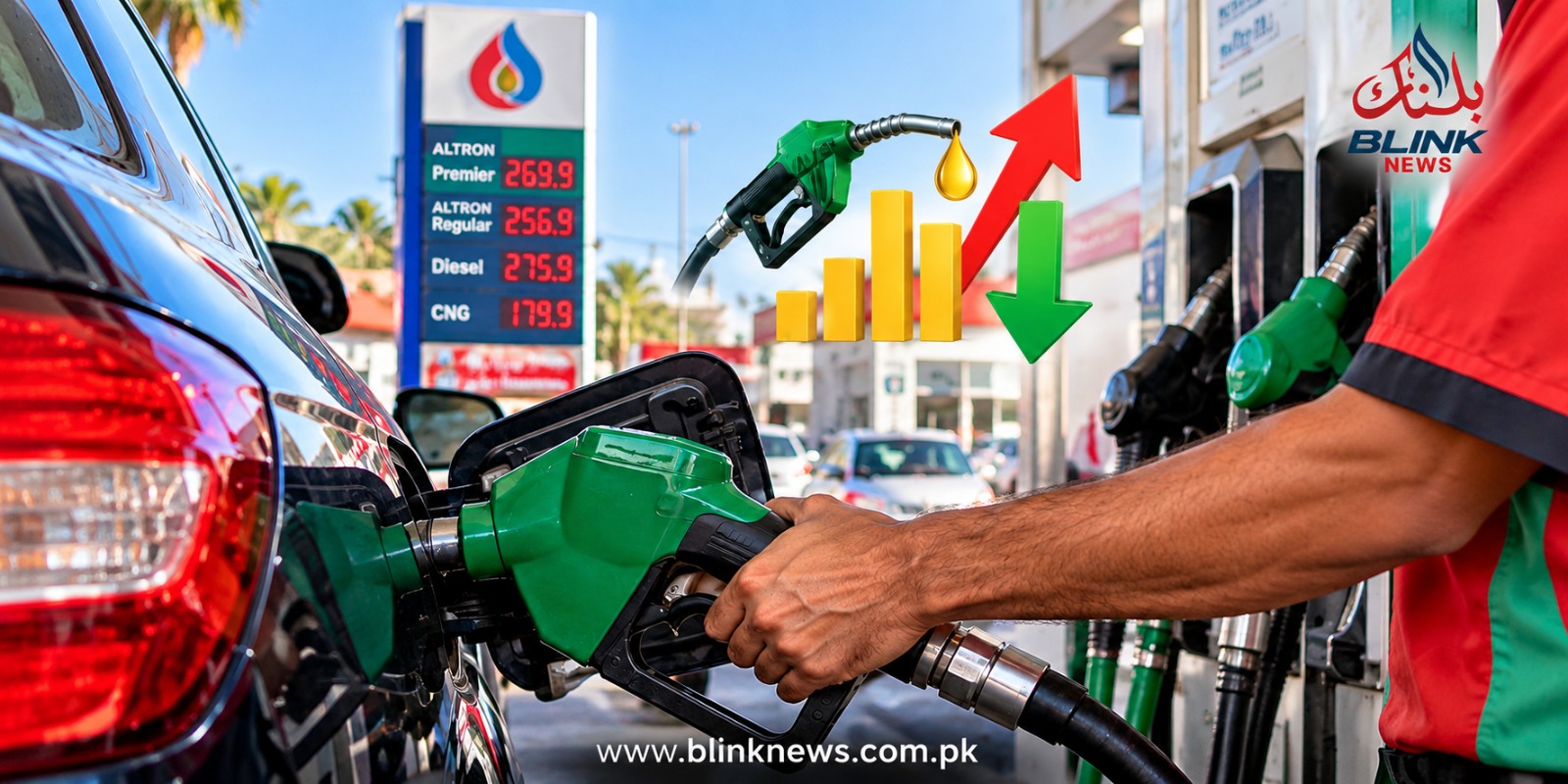
The government has announced a revision in petroleum product prices in Pakistan, bringing fresh attention to the cost of petrol, high-speed diesel and other fuel products. The latest decision is expected to affect motorists, transport operators, businesses and households across the country.
Petroleum prices remain closely linked to transportation and logistics costs in Pakistan. Any change in fuel rates can influence the prices of goods and services because transport plays an important role in moving products between cities and markets.
The announcement is therefore being closely followed by consumers and businesses. BlinkNews will continue to track the official notification and developments surrounding fuel prices in Pakistan.
Pakistan Announces Changes in Petroleum Prices
The latest petroleum product prices in Pakistan have been revised as part of the government’s regular fuel-price review process. Petroleum prices are generally reviewed periodically after considering international oil prices, exchange-rate movements, taxes, duties and other relevant factors.
The final rates become applicable after the government issues an official notification. Consumers are advised to check the notified prices rather than relying on unofficial figures circulating on social media.
The revision can cover major petroleum products, including petrol and high-speed diesel. Other products may also be affected depending on the government’s notification.
Factors Behind the Fuel Price Revision
Several factors can influence fuel prices in Pakistan. International crude oil prices are among the most important considerations because Pakistan imports a significant portion of its petroleum requirements.
The exchange rate can also affect the domestic cost of imported fuel. When the local currency faces pressure against the US dollar, the cost of imported petroleum products can increase.
Taxes and petroleum-related levies are another important component of the price paid by consumers. Changes in government taxation can therefore affect the final retail rate even when international oil prices remain relatively stable.
Impact on Petrol Consumers
Changes in petroleum product prices in Pakistan have a direct effect on millions of motorists. Petrol is widely used by cars, motorcycles, rickshaws and other vehicles for daily travel.
For private vehicle owners, even a small change in the petrol price can increase or reduce monthly transportation expenses. The impact is particularly noticeable for people who travel long distances for work, education or business.
Motorcycle users may also monitor fuel prices closely because motorcycles are an important mode of transport for many Pakistani households.
Possible Effect on Transport and Goods
Fuel prices can also affect commercial transportation. Trucks, buses and other heavy vehicles rely heavily on diesel, making high-speed diesel prices particularly important for the logistics sector.
An increase in diesel costs can raise operating expenses for transport companies. These additional costs may eventually affect the movement of food, agricultural products, industrial materials and consumer goods.
However, the actual impact on retail prices depends on several factors, including transportation distances, market competition, supply conditions and the size of the fuel-price change.
Businesses Continue to Monitor Fuel Costs
Businesses across Pakistan closely monitor fuel prices because transportation and distribution are part of many supply chains. Manufacturers, wholesalers, retailers and delivery companies can all be affected by changes in energy costs.
For businesses already dealing with higher operating expenses, changes in petroleum prices can become an additional cost consideration. Companies may respond by reviewing transportation routes, delivery schedules and other operational expenses.
Role of OGRA and the Petroleum Division
Pakistan’s petroleum pricing system involves government authorities and regulatory mechanisms. The Oil and Gas Regulatory Authority (OGRA) plays an important role in the petroleum sector, while the Petroleum Division is responsible for matters relating to the country’s petroleum industry.
The government ultimately announces applicable consumer prices through the relevant official notification.
For consumers, the most reliable source of information is the official notification issued by the authorities. News platforms such as BlinkNews can help readers follow the announcement and understand its possible economic impact.
What Consumers Should Watch Next
Consumers should pay attention to the official prices and their effective date. International crude oil trends, currency movements and government taxes will remain important factors in future fuel-price reviews.
The price of petroleum products can change from one review period to another depending on market conditions and government decisions. Therefore, motorists and businesses should avoid making financial assumptions based solely on unofficial reports.
Conclusion
The latest revision in petroleum product prices in Pakistan is an important development for consumers, transport operators and businesses. Fuel costs have a broad connection with household budgets, transportation expenses and the wider cost of moving goods across the country.
The final impact will depend on the exact revised rates, the effective date and movements in other economic factors. Consumers should rely on official notifications for confirmed prices.
BlinkNews will continue to provide updates on petrol prices in Pakistan, government decisions and other economic developments affecting everyday consumers.