
Introduction
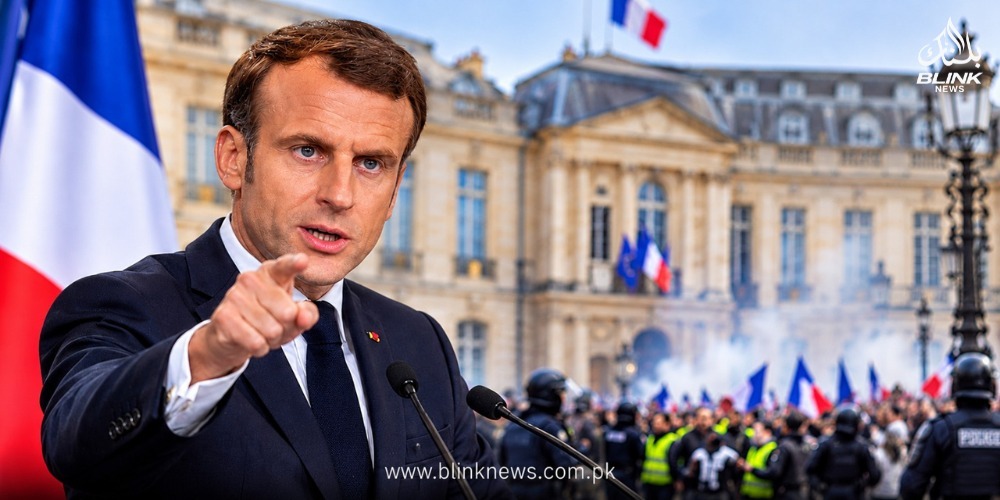
French President Emmanuel Macron has delivered a strong message on accountability, saying that those responsible for looting and damaging property in France must face the consequences of their actions. His statement highlights the government’s focus on public order, the protection of businesses, and the enforcement of the law amid concerns about civil unrest.
The remarks, captured in the headline “Those Who Looted France Will Have to Pay the Price,” underline the importance of holding individuals accountable for damage to shops, public facilities, and other property. The issue has wider implications for public safety, the justice system, and the government’s response to unrest.
For readers following international developments, BlinkNews examines the message behind Macron’s statement and its potential significance for France.
Macron’s Message on Looting and Accountability
Macron’s statement sends a clear political message that looting should not be treated as an acceptable form of protest. While demonstrations can be part of democratic life, theft, vandalism, and deliberate destruction of property can result in criminal proceedings.
The French president’s position reflects the government’s responsibility to maintain public order while protecting citizens and businesses. When shops are looted or public property is damaged, the consequences can extend beyond the immediate incident, affecting workers, local communities, and essential services.
However, the exact legal consequences for individuals depend on the offences involved, the available evidence, and decisions made by the relevant judicial authorities.
Why the Government Is Emphasizing the Rule of Law
Public confidence in law enforcement is an important issue during periods of unrest. Authorities must respond to criminal activity while ensuring that investigations and prosecutions follow established legal procedures.
A firm statement from the president can reinforce the government’s position that unlawful behaviour will not be ignored. At the same time, the justice system must distinguish between peaceful demonstrators and people accused of committing specific offences.
This distinction is essential in a democratic society, where citizens have the right to peaceful assembly but remain subject to laws against theft, violence, and property destruction.
Economic Impact of Looting in France
Looting can cause significant financial losses for businesses, particularly small retailers that may have limited resources to recover from damage. Broken windows, stolen merchandise, damaged equipment, and temporary closures can create immediate expenses.
Business owners may also face uncertainty about insurance claims, repairs, staffing, and the time needed to resume normal operations.
Small Businesses and Local Communities
Independent shops and family-run businesses are often closely connected to their neighbourhoods. When these establishments are damaged, employees can lose working hours and customers may have fewer places to shop.
The effects can spread to nearby businesses, suppliers, and service providers. In areas affected by repeated unrest, concerns about safety may also influence customer activity and business confidence.
For this reason, protecting commercial areas and ensuring that victims can report offences are important parts of a broader recovery strategy.
France’s Response to Public Disorder
The French government’s response to looting involves several responsibilities, including public safety, police operations, criminal investigations, and cooperation with judicial authorities.
Police may be deployed to prevent further damage, protect vulnerable locations, and respond to reports of criminal activity. Investigators can examine witness statements, surveillance footage, and other evidence when identifying suspects.
Nevertheless, enforcement must remain proportionate and consistent with French law. Suspects are entitled to due process, and responsibility for an offence must be established through the appropriate legal process.
Balancing Security With Democratic Rights
France has a long tradition of public demonstrations and political protest. Citizens may express disagreement with government decisions, participate in marches, and demand political change within the law.
The challenge for authorities is to protect those rights while preventing violence and property crime. A response that maintains public safety and respects legal safeguards can help reduce tensions and preserve public confidence.
Macron’s message therefore raises a broader question about how France can maintain order without undermining the democratic freedoms that allow peaceful protest.
What Legal Consequences Could Looters Face?
People found guilty of looting may face penalties under the laws applicable to their conduct. The outcome depends on whether the case involves theft, property damage, violence, or other offences, as well as the circumstances and evidence.
Potential consequences can include fines, criminal convictions, imprisonment in applicable cases, and orders to compensate victims where legally justified.
It is important to distinguish a political statement about accountability from a specific legal ruling. Macron’s remarks do not automatically determine the outcome of individual cases. Courts and other competent authorities must apply the law to the evidence presented.
For affected businesses and residents, reporting incidents and preserving relevant evidence can help authorities investigate suspected offences.
What Macron’s Statement Means for France
Macron’s warning reflects the government’s intention to present public security and accountability as priorities. It may also reassure people concerned about the safety of their neighbourhoods and the financial consequences of property damage.
The effectiveness of this approach will depend on how authorities implement the law, support affected communities, and address the circumstances that contribute to unrest.
Long-term stability requires more than enforcement alone. Dialogue, public trust, economic opportunity, and effective local services can also play important roles in preventing further tensions.
Conclusion
Macron’s statement that those who looted France will have to pay the price reinforces the principle that criminal acts carry consequences under the law. Looting and vandalism can harm businesses, disrupt communities, and place additional pressure on public services.
As France addresses concerns about public order, the government faces the challenge of protecting property and residents while respecting peaceful protest and judicial independence.
BlinkNews will continue covering major international developments, including France’s political decisions, public security concerns, and their wider impact on communities and businesses.