
Introduction
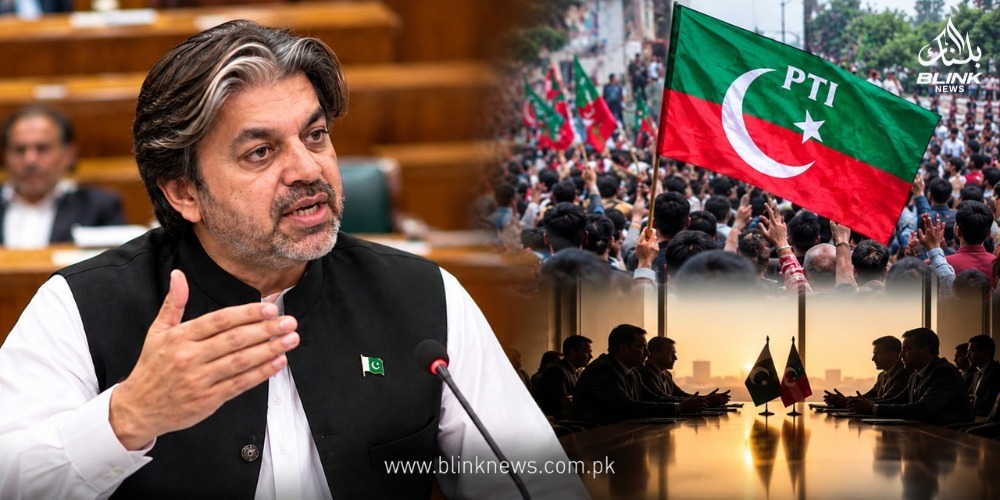
Pakistan Tehreek-e-Insaf (PTI) leader Ali Muhammad Khan has stressed the importance of finding a political solution to the country’s ongoing political challenges. According to the statement reflected in his remarks, neither protests nor negotiations have achieved the desired results, making a broader political approach necessary to move forward.
His comments highlight the difficulties facing Pakistan’s political leadership as tensions between the government and opposition continue to create uncertainty. The debate over dialogue, demonstrations, and political reconciliation remains central to efforts to improve stability and rebuild trust between rival parties.
For BlinkNews readers, the statement raises an important question: can Pakistan’s political stakeholders move beyond confrontation and reach an agreement through meaningful dialogue?
Ali Muhammad Khan Calls for a Political Solution
Ali Muhammad Khan’s message emphasizes that political disputes cannot be resolved indefinitely through confrontation or unsuccessful negotiations. A sustainable solution requires political leadership to identify common ground and develop a practical way forward.
Political disagreements are a normal part of democratic systems. However, prolonged disputes can affect parliamentary activity, government decision-making, economic confidence, and public trust in institutions.
The PTI leader’s position places renewed attention on the need for political engagement rather than relying exclusively on protest movements or talks that fail to produce concrete outcomes.
Why Political Dialogue Matters
Political dialogue provides an opportunity for opposing parties to explain their positions, discuss disagreements, and explore possible compromises. It can also help reduce tensions when political differences become difficult to manage.
For dialogue to succeed, however, both sides need clear objectives and a willingness to consider realistic proposals. Meetings without follow-up actions may create public expectations without delivering meaningful progress.
A structured process could help political parties identify the issues that require immediate attention and separate areas of possible agreement from more difficult disputes.
Why Protests and Negotiations Have Faced Challenges
Political protests have long been used in Pakistan to express dissatisfaction with government policies and demand changes. Demonstrations can bring public attention to political concerns, but they may not always lead directly to policy changes or agreements.
Similarly, negotiations can struggle when participants disagree over fundamental demands, the sequence of decisions, or the conditions required to restart formal talks.
The Limitations of Protest Politics
Protests can demonstrate political support and mobilize party workers. However, extended confrontation may also disrupt routine activities, deepen political divisions, and make communication between rival groups more difficult.
Political parties therefore face the challenge of turning public pressure into specific and achievable outcomes.
A successful political strategy generally requires clear demands, consistent communication, and a willingness to explore peaceful solutions alongside other democratic methods.
Why Negotiations Need Concrete Outcomes
Negotiations require more than meetings and public statements. Both parties need to establish what they want to achieve, identify areas where compromise is possible, and agree on a process for implementing any decisions.
Trust is another important factor. When political leaders doubt one another’s intentions, even limited agreements can become difficult to achieve.
Ali Muhammad Khan’s remarks bring these challenges into focus by emphasizing the need to look beyond approaches that have not delivered the expected results.
PTI and the Government Face a Difficult Political Environment
Relations between Pakistan Tehreek-e-Insaf and the federal government remain an important part of the country’s political debate. Disagreements between the opposition and government can affect parliamentary cooperation and wider efforts to establish political stability.
A workable political solution would require the relevant stakeholders to determine which issues can be addressed through immediate discussions and which require longer-term negotiations.
Both sides would also need to communicate their positions clearly to supporters and the public. Consistent messaging could help reduce misunderstandings and establish realistic expectations about what dialogue can achieve.
However, the details of any future agreement would depend on the parties involved, their demands, and their willingness to participate in a sustained process.
How Political Reconciliation Could Benefit Pakistan
Political reconciliation could offer several benefits if the parties involved approach it seriously.
First, dialogue could reduce the risk of repeated confrontations and create space for more productive political engagement. Second, greater cooperation could help parliament focus on legislation, governance, and public policy.
Political stability may also support economic confidence. Businesses and investors often prefer predictable conditions in which government policies and institutional decisions are less affected by prolonged political uncertainty.
The Role of Parliament and Democratic Institutions
Parliament can provide a formal platform for elected representatives to discuss disagreements and seek solutions. Parliamentary committees, cross-party meetings, and consultations between political leaders may help create opportunities for progress.
Democratic institutions are most effective when political disagreements are addressed through established procedures and peaceful engagement.
Nevertheless, reconciliation does not require political parties to abandon their principles or stop holding one another accountable. Instead, it requires them to distinguish between legitimate political competition and disputes that prevent essential democratic processes from functioning effectively.
What Could Happen Next?
The future of political dialogue in Pakistan will depend on whether the main stakeholders are prepared to move from public statements to practical engagement.
Any renewed talks would need a clear agenda, agreed procedures, and realistic expectations. The parties would also need to determine how progress would be measured and how any commitments would be implemented.
Ali Muhammad Khan’s remarks may contribute to the wider debate about whether existing political strategies are producing meaningful results. However, the statement alone does not establish that a new agreement has been reached or that formal negotiations will begin.
Readers should follow verified announcements from the relevant political parties and official sources for confirmed developments.
Conclusion
Ali Muhammad Khan’s message underscores the importance of seeking a political solution when protests and negotiations fail to deliver the expected progress. His remarks reflect a wider challenge facing Pakistan: finding a way to manage political disagreements without allowing confrontation to become a permanent obstacle to governance.
A lasting resolution would require meaningful dialogue, realistic compromises, and a commitment to democratic processes. Whether the government and PTI can make progress will depend on their willingness to turn political statements into practical steps.
BlinkNews will continue to follow developments in Pakistan’s political landscape and report on important updates concerning PTI, government negotiations, and efforts toward political stability.