
Introduction
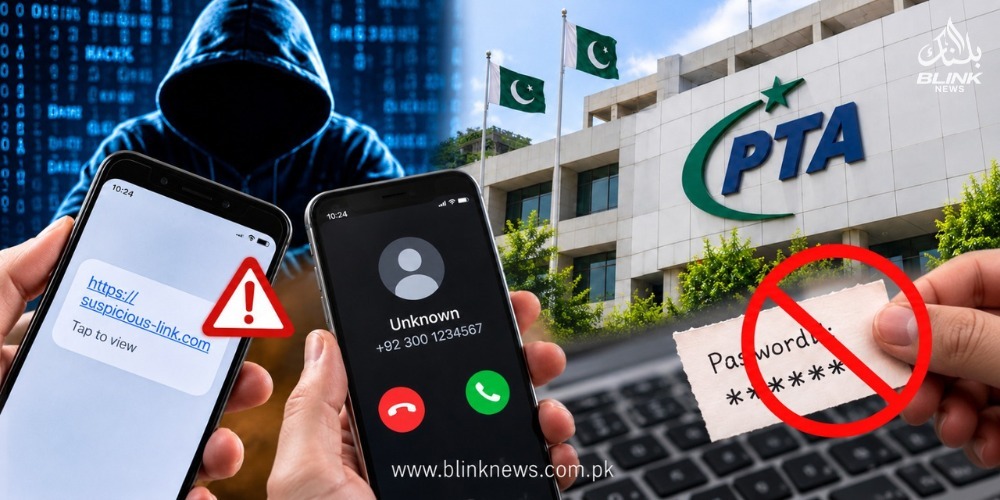
The Pakistan Telecommunication Authority (PTA) has urged consumers to remain cautious about suspicious links, password sharing, and calls from unverified sources. The advisory highlights the importance of protecting personal information as online scams, phishing attempts, and digital fraud continue to pose risks to internet and mobile phone users.
The PTA warning about suspicious links serves as a reminder that cybercriminals may use fake messages, fraudulent websites, and deceptive phone calls to obtain sensitive information. Users who share passwords, verification codes, or financial details with unknown individuals may expose themselves to account theft and financial losses.
For readers of BlinkNews, understanding these risks can help improve digital safety and prevent common online scams in Pakistan.
Why Has PTA Warned Consumers?
The Pakistan Telecommunication Authority regulates telecommunications services in the country and promotes awareness about the safe use of digital communication. Warnings about suspicious links and unverified calls are particularly relevant as people increasingly depend on smartphones for banking, shopping, communication, and online payments.
Fraudsters may pretend to represent banks, telecom operators, government departments, or well-known companies. They often create a sense of urgency to convince people to act without checking whether a message or caller is genuine.
For example, a user may receive a message claiming that a mobile account will be blocked unless a link is opened immediately. Another person may receive a call asking for an account password or a one-time password (OTP) to verify their identity.
Consumers should treat such requests carefully and verify them through official channels before taking action.
Avoid Clicking on Suspicious Links
Suspicious links are a common method used in phishing attacks. These links may direct users to websites designed to look like legitimate banking portals, telecom company pages, or government services.
Once a victim enters personal information, scammers may use it to access accounts, steal money, or misuse the victim’s identity.
How to Identify a Suspicious Link
Users should check links carefully before opening them, especially when they arrive through unexpected SMS messages, emails, or social media accounts.
Common warning signs include unfamiliar website addresses, spelling mistakes, unusual domain names, unexpected prizes, and messages demanding immediate action.
A website that looks professional is not necessarily genuine. Scammers can copy the appearance of trusted brands to make fraudulent pages seem authentic.
The safest approach is to visit the official website directly by entering its address into the browser or using the company’s verified application.
Never Share Passwords or OTP Codes
The PTA warning about suspicious links also draws attention to the importance of keeping passwords and verification codes private.
Passwords protect email accounts, social media profiles, mobile applications, and financial services. Sharing them with another person can increase the risk of unauthorized access.
An OTP is usually intended to confirm a particular login, transaction, or account activity. A scammer who obtains this code may be able to complete an action that the account owner did not authorize.
Steps to Protect Your Accounts
Consumers can improve account security by following several basic precautions:
- Never share passwords, PINs, or OTP codes with unknown callers or message senders.
- Use strong, unique passwords for important accounts.
- Enable two-factor authentication wherever available.
- Change passwords immediately if an account may have been compromised.
- Avoid saving sensitive login details on shared or public devices.
- Contact the relevant bank or service provider through official channels if suspicious activity occurs.
Legitimate organizations should be verified independently before users respond to requests involving sensitive account information.
Be Careful With Unverified Phone Calls
Fraudulent callers may claim that a person has won a prize, that their SIM card will be blocked, or that their bank account requires urgent verification. Some may impersonate customer support representatives or government officials.
These tactics are designed to make people anxious or persuade them to disclose confidential details.
What Should You Do During a Suspicious Call?
If a caller requests a password, OTP, banking PIN, or other confidential information, do not provide it. End the call and contact the organization using a number listed on its official website or application.
Avoid calling back unfamiliar numbers simply because a message claims that immediate action is necessary. Do not install applications or grant remote access to a device at the request of an unverified caller.
If a caller threatens account suspension or financial penalties, verify the claim independently before responding.
How Pakistani Consumers Can Report Digital Fraud
People who encounter suspicious messages, fraudulent websites, or scam calls should preserve relevant evidence, including screenshots, phone numbers, website addresses, and message details.
Consumers can contact their telecom operator or bank if the incident involves a mobile account or financial transaction. Bank customers should report unauthorized transactions immediately and follow the institution’s instructions for securing their accounts.
For suspected cybercrime, users can consult the official reporting channels provided by Pakistan’s relevant cybercrime authorities. They should verify the current complaint procedure through official government sources rather than relying on links shared by unknown individuals.
Consumers should also avoid forwarding suspected scam messages to other people without a clear warning, as doing so may unintentionally spread harmful links.
Why Cybersecurity Awareness Matters
As digital payments, online banking, and mobile communication become more common, protecting personal information is increasingly important. Even a single careless action can expose sensitive details to criminals.
The PTA warning about suspicious links reinforces the need for responsible internet use and greater awareness of common fraud techniques.
Families should discuss online safety with children and older relatives who may be less familiar with phishing messages or impersonation scams. Businesses should also educate employees about secure passwords, suspicious emails, and requests for confidential information.
Technology can provide additional protection, but informed decisions remain essential. Users should keep their devices updated, download applications from trusted sources, and review account activity regularly.
Conclusion
The Pakistan Telecommunication Authority’s reported advisory highlights the importance of staying alert to suspicious links, password-sharing requests, and unverified phone calls. These threats can affect anyone who uses a mobile phone or accesses online services.
Consumers should never disclose confidential credentials to unknown individuals, should verify unexpected requests independently, and should report suspected fraud through appropriate official channels.
BlinkNews encourages readers to make digital security a daily habit. A few simple precautions can help protect personal information, reduce the risk of online fraud, and make Pakistan’s digital environment safer for everyone.