
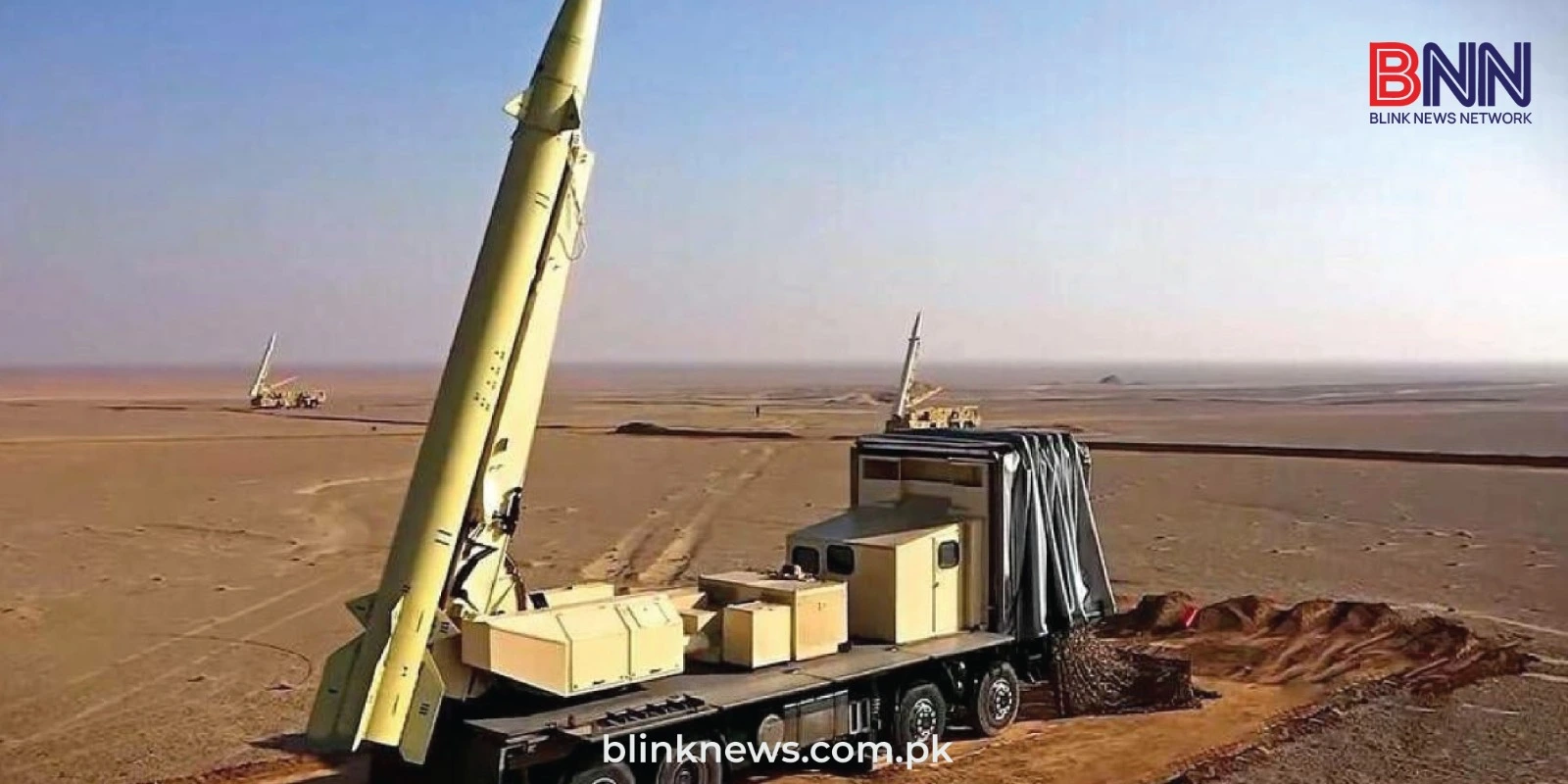
A senior commander from the United States Central Command (CENTCOM) reported a sharp decline of nearly 90 percent in ballistic missile attacks originating from Iran, marking a significant shift in regional security dynamics. Officials stated that this reduction follows a series of U.S. and allied military measures and strengthened defensive systems designed to mitigate missile threats in the Middle East.
Historically, Iran has maintained a robust missile program capable of targeting both regional adversaries and U.S. forces stationed across the Gulf and surrounding areas. In recent years, tensions between Tehran and Washington, alongside its allies, had resulted in periodic missile exchanges, heightening concerns over stability in the region. CENTCOM’s latest assessment suggests that recent strategic interventions have curtailed these attacks substantially.
According to U.S. officials, a combination of continuous surveillance, upgraded missile defense infrastructure, and coordinated military strategies with allied forces contributed to the decline. “We have seen a meaningful reduction in missile activity compared to previous levels,” a CENTCOM spokesperson said, emphasizing that these defensive enhancements are ongoing. Reports indicate that integrated systems deployed by U.S. and allied forces played a critical role in intercepting potential threats before they could reach populated or strategic areas.
The CENTCOM statement also underscored the readiness of American and coalition forces in the region. Military officials maintain close monitoring of any potential threat while reinforcing defense mechanisms to prevent future missile strikes. Analysts note that while the decrease is encouraging, sustained vigilance remains essential due to the unpredictable nature of regional security developments.
Experts suggest that this reduction in missile launches represents a notable improvement for Middle Eastern security and could pave the way for more stable diplomatic interactions. However, they caution that regional actors continue to monitor developments closely, given Iran’s continued capacity to resume such operations if political or strategic circumstances shift. International observers have also taken note of the announcement, highlighting the potential implications for global security and energy markets.
As CENTCOM continues to track Iranian missile activity, officials stress that maintaining stability in the Gulf remains a top priority. Future measures are expected to further enhance defensive readiness while supporting broader regional security objectives. The coming months will likely reveal whether this downward trend in missile activity persists and how regional powers adapt to the evolving threat landscape.