
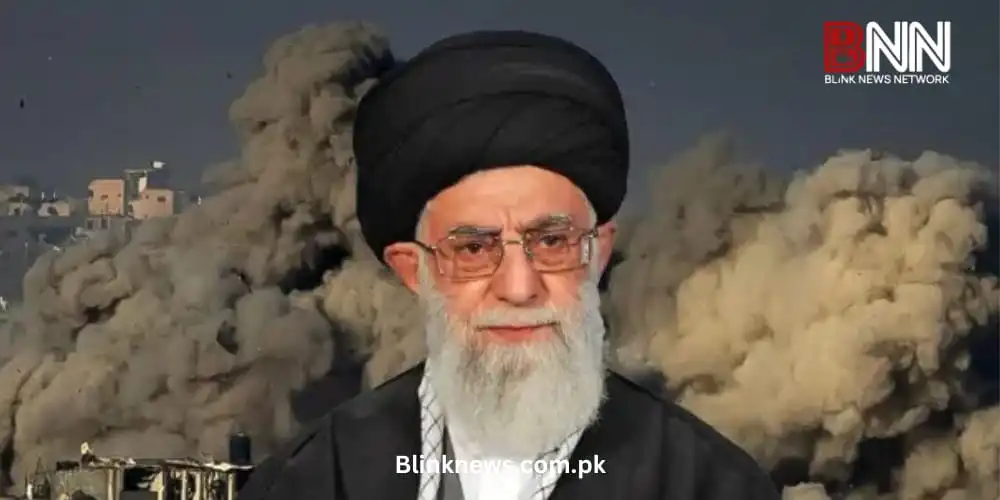
A warning posted on the official social media account of Ayatollah Ali Khamenei, the Supreme Leader of Iran, has heightened tensions in the already volatile Middle East. The message claimed that Israel had committed a “very big mistake” and cautioned that the country would face serious consequences as a result.
The post, shared on Khamenei’s verified account, appeared at a time when regional tensions are rising amid reports of ongoing military operations and exchanges involving Iran, Israel, and the United States. According to the message, Israel’s actions could leave it facing “difficult and disappointing circumstances,” signaling Tehran’s strong condemnation and warning of potential retaliation.
Accompanying the statement were several graphics highlighting Iran’s missile capabilities. The images displayed ballistic missiles and other military technology, presenting what appeared to be a visual demonstration of the country’s defense strength. Analysts say such imagery is often used as part of strategic messaging, aimed at reinforcing deterrence while sending a signal to both domestic audiences and international observers.
The post quickly circulated across social media platforms, drawing a wide range of reactions. Some users voiced support for the strong stance against Israel, while others criticized the message, warning that escalating rhetoric could worsen an already fragile situation in the region. Online discussions reflected the deep divisions surrounding the conflict and the broader geopolitical rivalry between Tehran and its adversaries.
Regional tensions have been building in recent months as military operations and security incidents continue to emerge across multiple fronts. Officials and analysts familiar with the region note that statements from senior leaders often carry symbolic and strategic significance, especially when released through official channels. In many cases, such messages serve not only as political declarations but also as signals to allies, adversaries, and international audiences about a country’s posture and intentions.
Experts on regional security say the timing of the post suggests it may be part of a broader information and psychological strategy. Public warnings, particularly those referencing military power, can be intended to shape perceptions, apply pressure on opponents, and project strength without immediate direct action.
The latest statement has also drawn the attention of global leaders and international organizations monitoring developments in the Middle East. Diplomatic observers warn that continued escalation—whether through military actions or public threats—could increase the risk of a wider confrontation with consequences beyond the region.
For now, the situation remains fluid. Analysts say the coming days will be critical in determining whether the rhetoric translates into further military activity or remains part of the ongoing war of words between long-standing rivals.
Read more posts on Blink News Network