
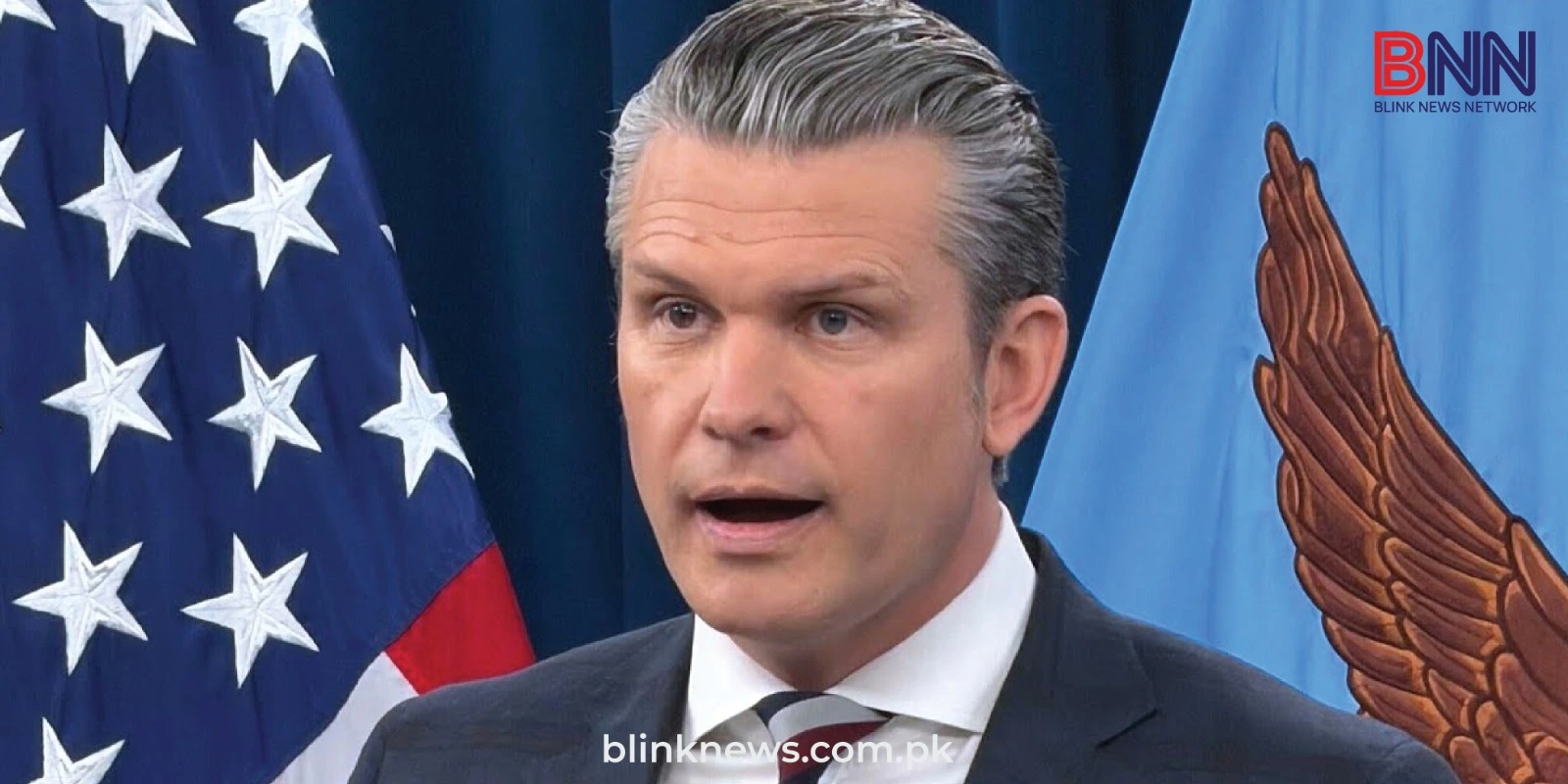
The United States signaled a major escalation in its ongoing military operations against Iran, with Defense Secretary Pete Hegseth warning that today could mark the fiercest day of attacks since the conflict began. In a press briefing, Hegseth said the U.S. military plans to deploy the largest number of fighter jets, bombers, and coordinated strikes yet, targeting Iran’s missile infrastructure, military installations, and naval assets.
The announcement comes amid an intensifying campaign aimed at degrading Iran’s military capabilities. According to U.S. officials, thousands of Iranian military targets have already been struck in recent weeks, including missile launchers, drone production facilities, and key naval vessels. These operations are intended to limit Tehran’s ability to project power regionally and protect U.S. interests in the Middle East.
Iran, however, has pledged a firm response. Iranian authorities emphasized that they will defend their territory according to their strategic capabilities and that the conflict is far from over. “We will not bow under pressure,” a senior Iranian official reportedly stated in a televised briefing, reflecting Tehran’s determination to resist what it considers external aggression.
Experts warn that the escalation could have broader consequences across the Middle East. Regional analysts note that intensifying strikes may disrupt shipping lanes in the Persian Gulf, potentially affecting global oil supply and economic stability. “Any significant military escalation carries the risk of destabilizing already fragile security dynamics in the region,” said a Middle East security analyst familiar with the developments.
International reactions have also reflected growing concern. Governments around the world are monitoring the situation closely, with diplomatic channels reportedly active to prevent further deterioration. Global energy markets, already sensitive to geopolitical tensions, have shown volatility in anticipation of the potential impact on oil exports from the region.
The current phase of the conflict underscores the deepening standoff between Washington and Tehran. U.S. officials frame the operations as a calibrated campaign to weaken Iran’s military infrastructure without triggering uncontrolled escalation. Meanwhile, Iran’s insistence on defending its sovereignty raises the prospect of a protracted conflict with unpredictable consequences for the wider region.
Observers emphasize that the next 24 to 48 hours will be critical in determining whether the situation escalates further or if diplomatic interventions can reduce the immediate threat of a wider confrontation. Analysts also note that the international community is closely watching not only military developments but also potential humanitarian and economic ramifications.
As the situation unfolds, both regional and global stakeholders are urged to remain alert to developments that could shape the future of U.S.-Iran relations and stability across the Middle East.
Read more posts on Blink News Network