
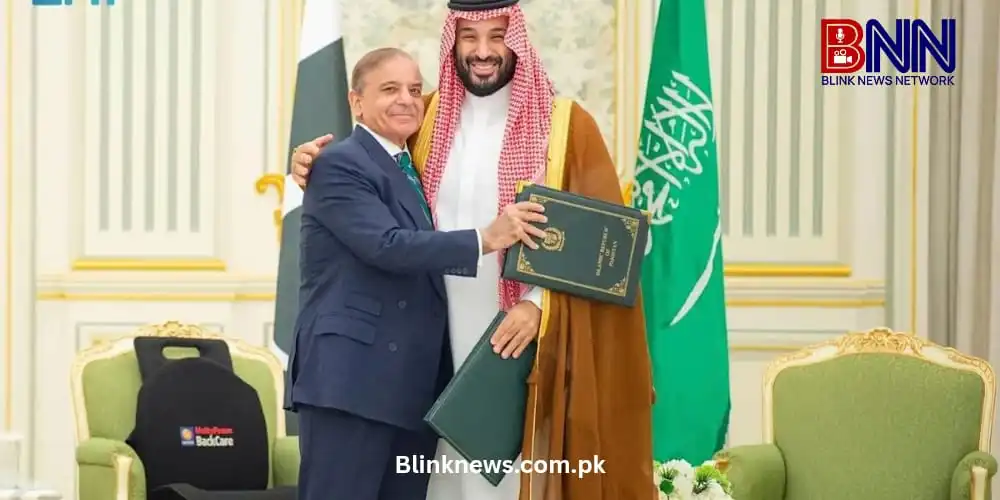
Pakistan has reaffirmed its commitment to stand by Saudi Arabia “whenever needed” as tensions continue to rise across the Middle East. The assurance came from a senior aide to Prime Minister Shehbaz Sharif, who said Islamabad is closely monitoring developments in the region and remains ready to provide political, diplomatic, and other necessary support to the kingdom if circumstances require.
The statement arrives at a time when parts of the Middle East are witnessing heightened security concerns linked to ongoing conflicts and military activity. Regional instability has prompted governments across the area to review their diplomatic and security strategies, while international actors continue to call for restraint and dialogue.
According to officials familiar with the matter, Pakistan’s position reflects its longstanding strategic relationship with Saudi Arabia. The two nations share deep political, economic, and defense ties that have developed over decades. Saudi Arabia has often been described as one of Pakistan’s closest allies in the Gulf region, with cooperation spanning security collaboration, economic assistance, and support for regional stability initiatives.
Government representatives emphasized that Pakistan remains committed to peace and stability in the Middle East. At the same time, they underscored that Islamabad would not hesitate to support Riyadh if the security environment deteriorates further. The aide said Pakistan values its partnership with the kingdom and views the relationship as a key pillar of its foreign policy in the region.
Security analysts note that the statement signals Pakistan’s intent to maintain a balanced diplomatic approach during a period of growing geopolitical uncertainty. While reaffirming support for Saudi Arabia, Islamabad has also consistently called for de-escalation and dialogue among regional stakeholders. Experts say such messaging allows Pakistan to demonstrate solidarity with a close ally while maintaining its broader commitment to regional peace.
Observers point out that Pakistan has historically played a diplomatic role in Middle Eastern affairs, often maintaining working relationships with multiple regional powers. In recent years, Islamabad has also strengthened cooperation with Gulf states through economic partnerships, labor agreements, and defense collaboration.
The latest assurance comes as governments worldwide continue to track developments in the Middle East with increasing concern. According to regional analysts, any escalation could carry wider consequences for global energy markets, international trade routes, and regional security frameworks.
Pakistan’s leadership is reportedly in contact with international partners as part of ongoing diplomatic engagement aimed at reducing tensions. Officials say these discussions are focused on supporting efforts that prevent further escalation while protecting regional stability.
For now, Islamabad’s message appears clear: Pakistan supports peace and diplomatic solutions, but it remains prepared to stand with Saudi Arabia should the situation demand it. As tensions evolve across the Middle East, policymakers and observers alike will be watching closely to see how regional alliances and diplomatic efforts shape the next phase of the crisis.
Read more posts on Blink News Network