
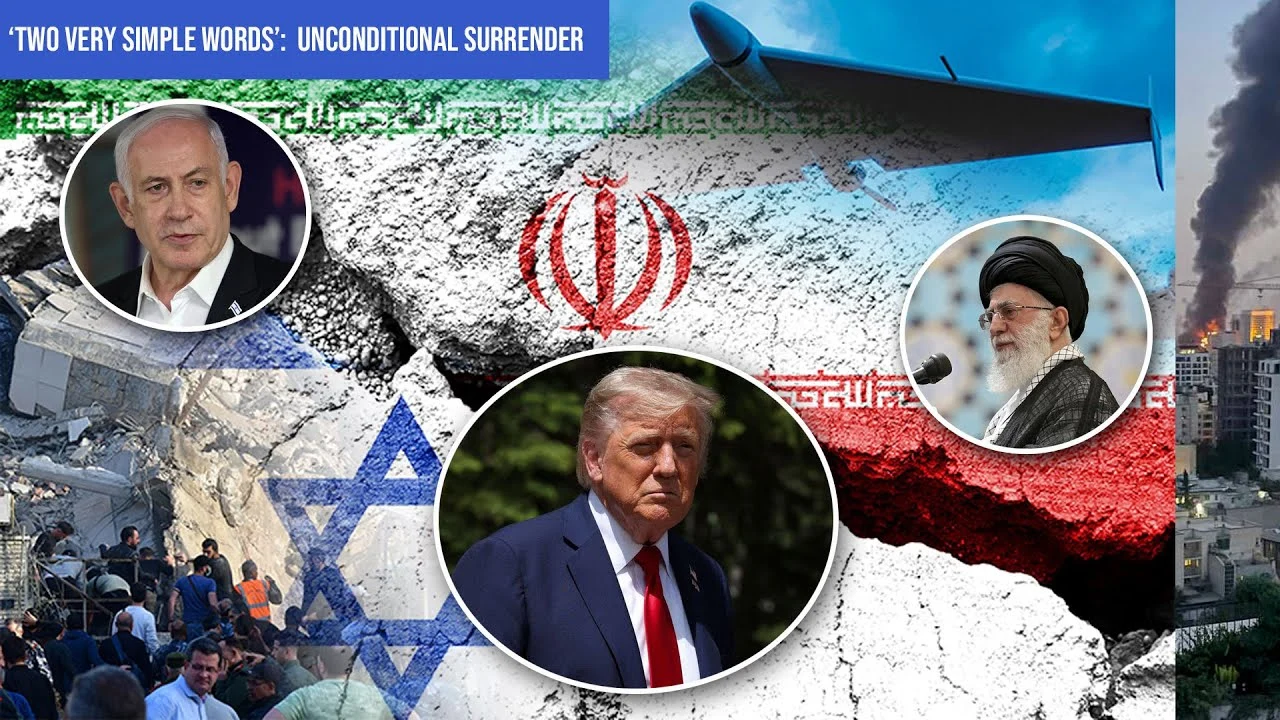
Former U.S. President Donald Trump made headlines with a stark warning regarding Iran’s nuclear ambitions, stating that if Tehran possessed nuclear weapons, it could target and potentially destroy Israel. The statement comes amid growing global concerns over Iran’s nuclear program, which has long been a focal point of international security debates.
Trump’s remarks highlight the precarious balance in the Middle East, where regional rivalries and nuclear proliferation risks intersect. The United States and its allies have consistently expressed opposition to Iran acquiring nuclear weapons, citing potential threats to Israel and broader regional stability. Analysts say that any advancement in Iran’s nuclear capabilities could dramatically escalate tensions in an already volatile area.
The former president’s comments were issued in the context of renewed international scrutiny of Iran’s nuclear development. U.S. officials have historically emphasized preventing Iran from achieving a nuclear weapons capability, employing diplomatic pressure, sanctions, and monitoring agreements. Global powers, including members of the United Nations Security Council, have repeatedly voiced the need for strict oversight to mitigate risks of proliferation and regional conflict.
Experts caution that Iran’s nuclear ambitions remain a critical concern for global peace. While Tehran maintains that its nuclear program is intended for civilian energy purposes, intelligence assessments and past breaches of international agreements have fueled skepticism. Security analysts argue that vigilance and continuous diplomatic engagement are essential to prevent escalation and maintain stability in the Middle East.
The international reaction to Trump’s statement was swift, with media outlets and policy observers debating the implications for U.S. foreign policy and regional security. Some critics warned that such rhetoric could inflame tensions, while others saw it as a reminder of the ongoing threat posed by nuclear proliferation. Diplomatic channels remain active, with multiple nations engaging in efforts to reduce conflict risks and encourage negotiations between Iran and other stakeholders.
This development underscores the fragile security dynamics in the Middle East. As Iran’s nuclear program continues to attract global attention, the international community faces the challenge of balancing deterrence, diplomacy, and oversight. Observers say that sustained monitoring, transparent reporting, and cooperative engagement with international organizations will be key factors in preventing potential crises.
Global leaders and policymakers are now closely watching Tehran’s next moves, while analysts emphasize that any misstep could trigger significant repercussions for regional stability and international security. With tensions high, the world remains alert to developments that could shape the geopolitical landscape in the coming months.