
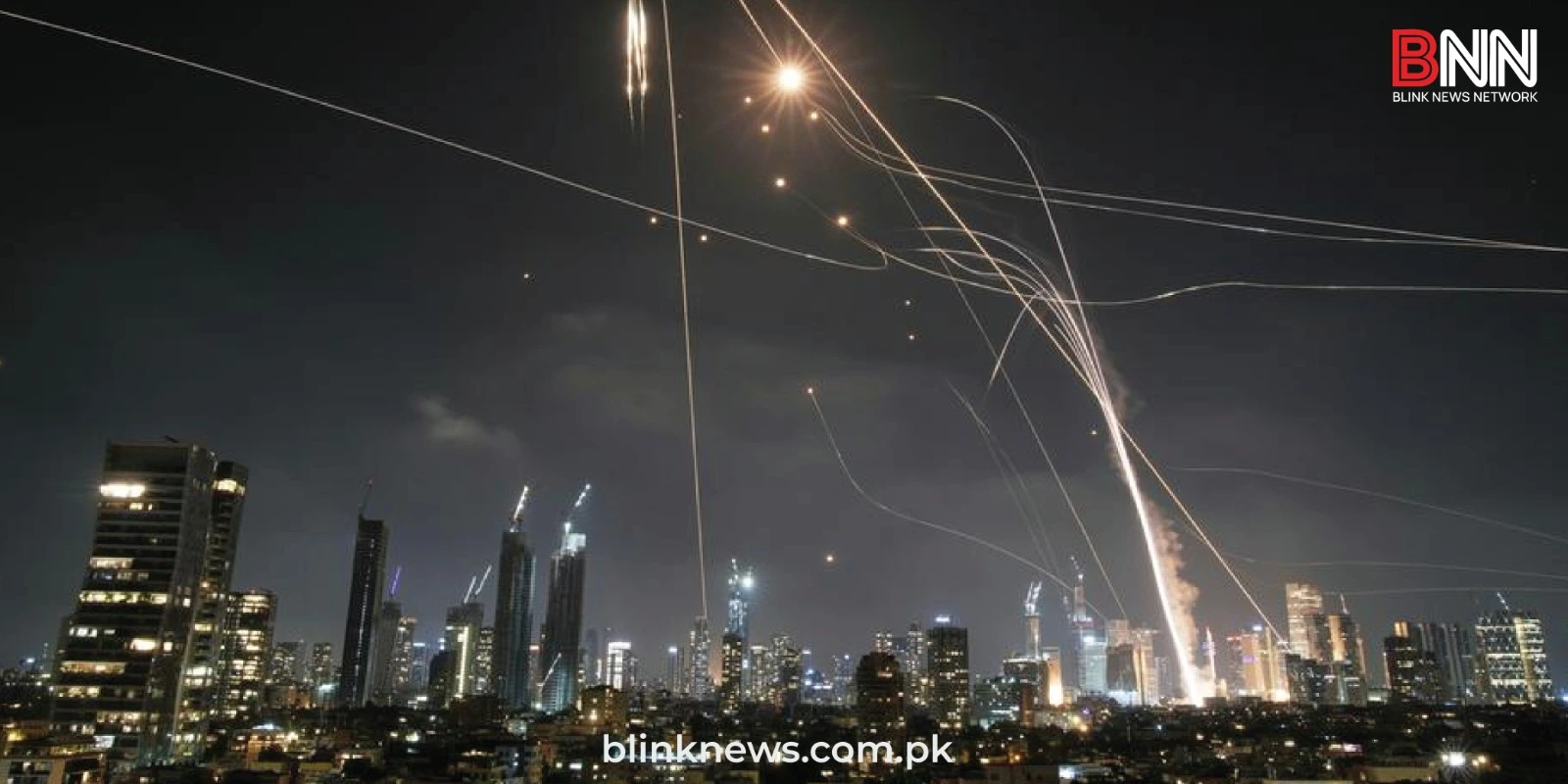
Reports have emerged that Iran has launched multiple missile strikes targeting various regions in Israel, raising alarms across the Middle East. Israeli authorities confirmed that its missile defense systems were immediately activated to intercept the incoming projectiles. In several areas, loud explosions were reported, causing panic among residents and prompting emergency responses. Officials are closely monitoring the situation as the attacks unfold.
The strikes come amid a backdrop of already heightened tensions between Tehran and Jerusalem. Analysts note that the region has seen a series of confrontations in recent months, with both nations engaging in military posturing and strategic operations. While Iran has described the missile launches as a response to specific regional developments, Israeli officials have emphasized their commitment to safeguarding civilians and infrastructure.
Eyewitnesses in affected areas reported hearing multiple explosions, with local authorities urging citizens to stay indoors and follow safety protocols. Initial reports suggest that most of the missiles were successfully intercepted, though full assessments are ongoing. Security experts warn that even limited strikes can have broader psychological and strategic impacts, heightening uncertainty in an already volatile region.
International reactions have been swift. The United Nations and several world powers expressed deep concern over the escalation, urging both nations to exercise restraint and pursue diplomatic avenues. Regional analysts emphasize that without de-escalation, such confrontations could destabilize neighboring countries, disrupt trade routes, and threaten energy security across the Middle East.
Experts on Middle Eastern security note that these missile strikes, even if limited in physical impact, carry symbolic significance. They signal Tehran’s willingness to assert military pressure while testing Israel’s defensive capabilities. Israeli defense officials, meanwhile, have reassured the public that air defense systems remain fully operational and that contingency plans are in place for potential follow-up attacks.
The attacks underscore the fragile balance in the region, where longstanding political, religious, and territorial disputes continue to fuel conflicts. Analysts caution that any miscalculation could trigger broader hostilities, potentially drawing in regional allies and further complicating international diplomatic efforts. Civilians in both countries are being urged to remain vigilant and follow guidance issued by authorities.
As the situation develops, global attention remains focused on both Tehran and Jerusalem. Observers are closely watching for any official statements or countermeasures, and experts warn that the coming hours could determine whether tensions stabilize or spiral further. The international community continues to call for dialogue and caution, emphasizing the urgent need to prevent further escalation in a region already burdened by longstanding conflict.