
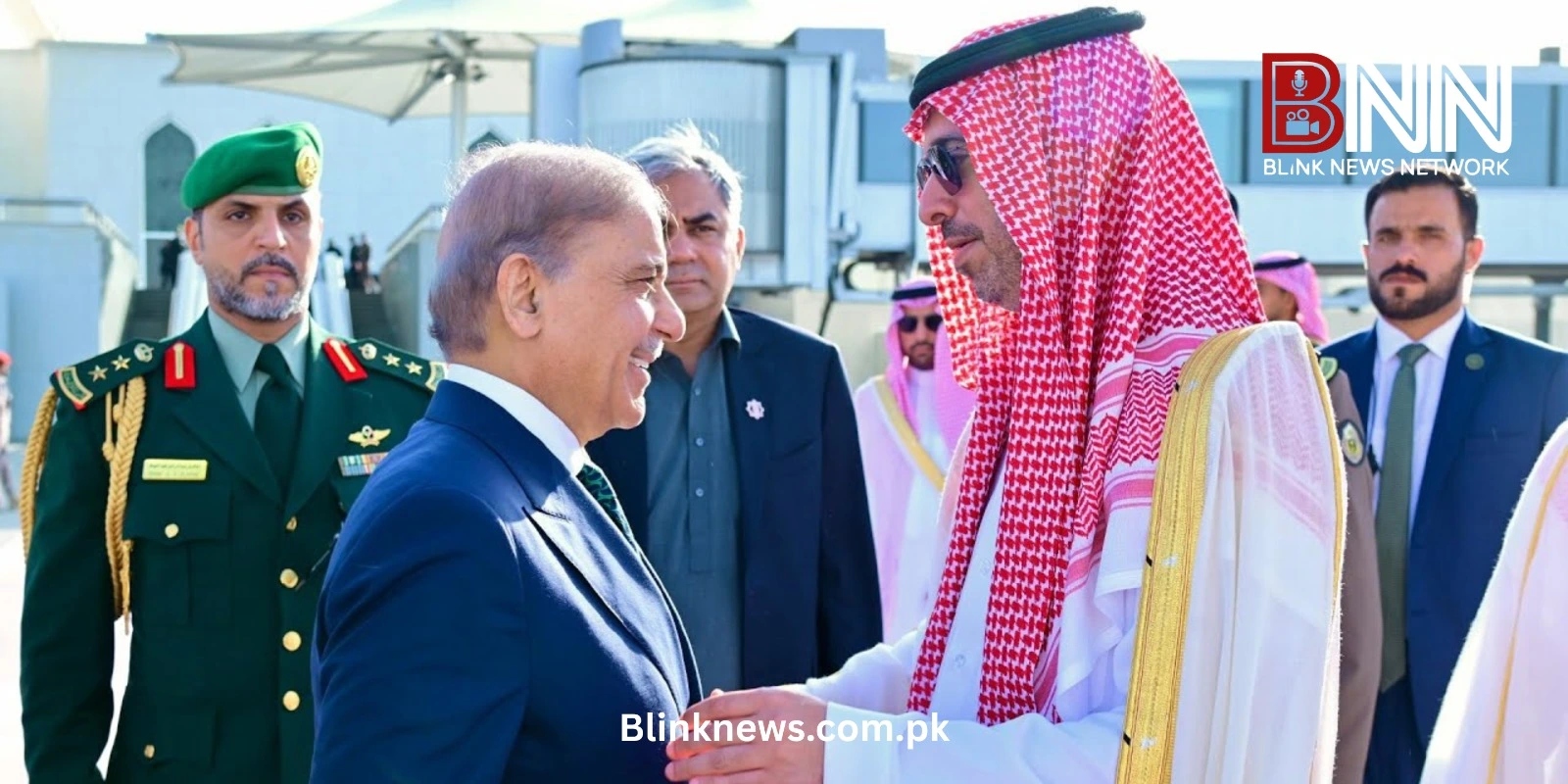
Pakistan’s Prime Minister Shehbaz Sharif met with Saudi Arabia’s Foreign Minister in a high-level diplomatic session aimed at addressing rising tensions in the Middle East. Officials said the talks focused on promoting stability, preventing conflict escalation, and fostering cooperation among regional actors. Both leaders emphasized that dialogue and unity are critical for sustaining peace in a region facing multiple security and economic challenges.
The meeting comes amid heightened geopolitical strains across the Middle East, with ongoing conflicts and rivalries affecting regional trade, energy markets, and the safety of civilian populations. Pakistan and Saudi Arabia, long-standing allies with strong diplomatic and economic ties, frequently coordinate on regional issues, particularly matters that impact Muslim-majority countries. Analysts note that such high-level consultations are part of broader efforts by Islamabad and Riyadh to mediate tensions and support peaceful solutions.
During the discussions, Prime Minister Sharif and the Saudi Foreign Minister underscored the need for practical measures to de-escalate disputes and prevent further instability. They highlighted the importance of cooperation rather than confrontation and called for joint efforts among Muslim nations to maintain solidarity in challenging times. The Saudi official reportedly commended Pakistan’s ongoing initiatives for peace and regional stability, signaling mutual recognition of each country’s diplomatic role.
Both sides also examined the economic and humanitarian implications of ongoing conflicts. Officials pointed out that regional instability can disrupt trade, inflate energy costs, and endanger civilian populations. By stressing negotiation and dialogue, Pakistan and Saudi Arabia aim to encourage neighboring countries to pursue diplomatic channels over military or unilateral actions. Experts suggest that these talks could pave the way for broader regional engagement, potentially influencing initiatives by the Gulf Cooperation Council and other multilateral forums.
The session concluded with an agreement to continue consultations and maintain open lines of communication. While no specific policy decisions were announced, observers said the meeting reflects a shared commitment to reducing tensions and promoting long-term stability. Islamabad’s proactive diplomacy, combined with Riyadh’s influential regional position, is likely to be closely watched by other global powers concerned with Middle East security.
As tensions persist, both Pakistan and Saudi Arabia are expected to play a facilitative role in encouraging dialogue among disputing parties. Analysts anticipate that ongoing diplomatic exchanges could help mitigate conflict risks, support economic resilience, and foster a cooperative approach to regional security challenges. The international community will likely monitor these developments as part of broader efforts to maintain peace in a strategically vital region.