
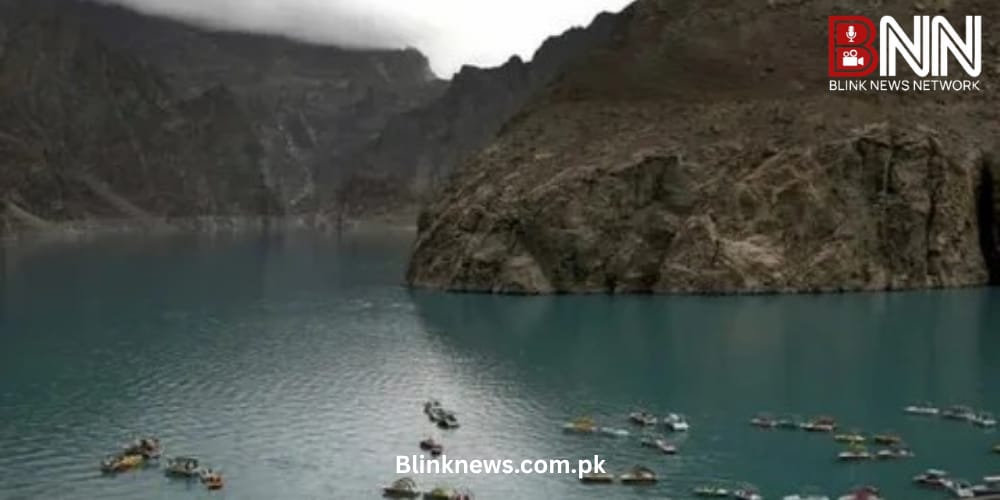
Pakistan’s disaster management authorities have warned of an increased risk of Glacial Lake Outburst Floods (GLOFs) in parts of the country as rising temperatures and intermittent rainfall accelerate glacier melting.
The warning comes as hot weather is expected to continue across northern areas, potentially increasing the flow of meltwater into glacial lakes. Authorities have cautioned that additional rainfall could further raise water levels and destabilise natural ice and moraine dams, increasing the possibility of sudden lake bursts and downstream flooding.
The latest alert particularly highlights vulnerable mountainous areas of Khyber Pakhtunkhwa, where the Provincial Disaster Management Authority has warned that hot conditions combined with rainfall could trigger sudden flooding from glacial lakes.
Pakistan’s northern regions, including Gilgit-Baltistan and Khyber Pakhtunkhwa, contain numerous potentially dangerous glacial lakes. SUPARCO has been monitoring high-risk sites through satellite imagery to identify changes in lake size and conditions that could signal an increased threat.
Officials have urged residents living near rivers, streams and glacial zones to remain vigilant and follow instructions issued by disaster management authorities. District administrations and emergency response teams have also been advised to maintain preparedness for possible flash floods and related hazards.
A GLOF occurs when water stored behind a glacier or natural moraine barrier is suddenly released, sending potentially destructive volumes of water downstream. Such events can damage homes, roads, bridges, agricultural land and hydropower infrastructure.
The warning underscores the growing challenge posed by Pakistan’s changing climate, with extreme heat, glacier melt, heavy rainfall and flash flooding increasingly creating overlapping risks for vulnerable mountain communities.
Authorities are continuing to monitor glacial lakes and weather conditions and have urged the public to rely on official alerts as the risk period continues.