
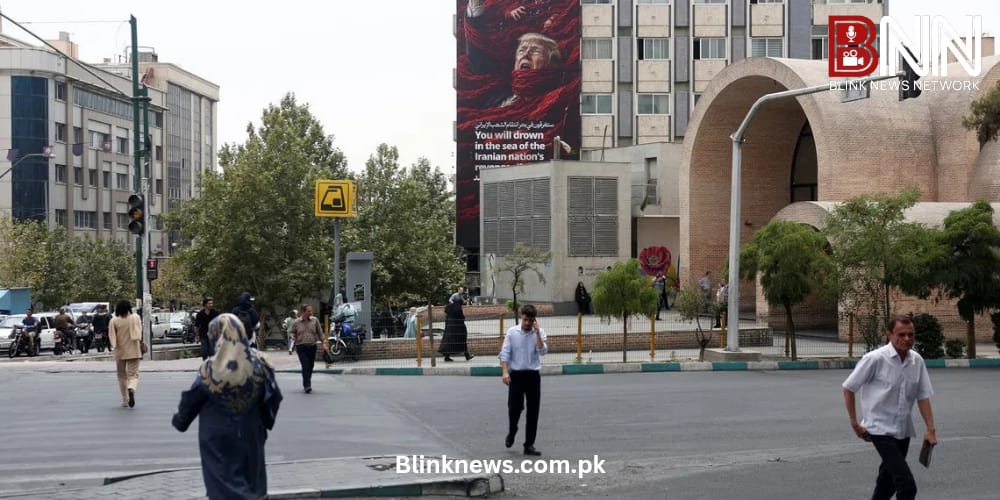
Qatar has announced that meaningful progress has been made toward renewed dialogue between the United States and Iran, raising cautious optimism that months of diplomatic deadlock could give way to fresh negotiations. The development comes amid heightened regional tensions and growing international calls for diplomatic engagement to reduce the risk of further conflict in the Middle East.
According to Qatari officials, discussions involving key stakeholders have advanced in recent days, with both Washington and Tehran showing greater willingness to explore confidence-building measures. Although no formal agreement has been reached, mediators described the latest exchanges as constructive and significantly more productive than previous rounds of indirect communication.
The announcement that Qatar says progress made toward US-Iran talks has drawn immediate attention from governments and global markets alike. Investors, diplomats, and security analysts are closely monitoring developments, as any breakthrough between the two longtime rivals could reshape regional security and influence global energy markets.
Qatar has long played the role of a trusted intermediary in sensitive international negotiations. Therefore, its latest assessment carries considerable diplomatic weight. Officials emphasized that sustained dialogue remains essential, while cautioning that several complex issues must still be resolved before formal negotiations can move forward.
Meanwhile, U.S. officials have refrained from commenting extensively on the reported progress. However, they reiterated Washington’s commitment to diplomacy whenever it serves national security interests and promotes regional stability. Similarly, Iranian representatives have expressed openness to continued indirect discussions, provided that their core concerns are addressed through mutual respect and practical solutions.
Furthermore, international observers believe the renewed diplomatic momentum reflects a broader desire among regional partners to prevent escalation. Several Gulf states have encouraged continued engagement, arguing that dialogue offers the most effective path toward reducing tensions and promoting long-term stability.
Energy markets also reacted cautiously to the news. Oil prices experienced modest fluctuations as traders assessed the potential impact of improved U.S.-Iran relations on future sanctions and global crude supplies. Although market analysts warned against premature expectations, they acknowledged that successful negotiations could eventually influence production and export dynamics.
Security experts noted that even incremental diplomatic progress could help lower the risk of military confrontation. Nevertheless, they stressed that longstanding disagreements over nuclear activities, sanctions, regional security, and mutual trust remain significant obstacles. Consequently, negotiators are expected to proceed carefully in the coming weeks.
Political analysts also observed that Qatar’s mediation efforts have become increasingly important in recent years. By maintaining communication channels with multiple regional and international actors, Doha has positioned itself as a central facilitator during periods of heightened geopolitical uncertainty.
As diplomatic contacts continue behind closed doors, global leaders are expected to monitor every development closely. While optimism is growing, officials involved in the process continue to emphasize that meaningful agreements require patience, sustained engagement, and political will from all parties.
For now, the announcement that Qatar says progress made toward US-Iran talks represents a notable diplomatic development. Although substantial challenges remain, the latest signals suggest that renewed negotiations may be gaining momentum, offering cautious hope for reduced tensions and greater regional stability.