
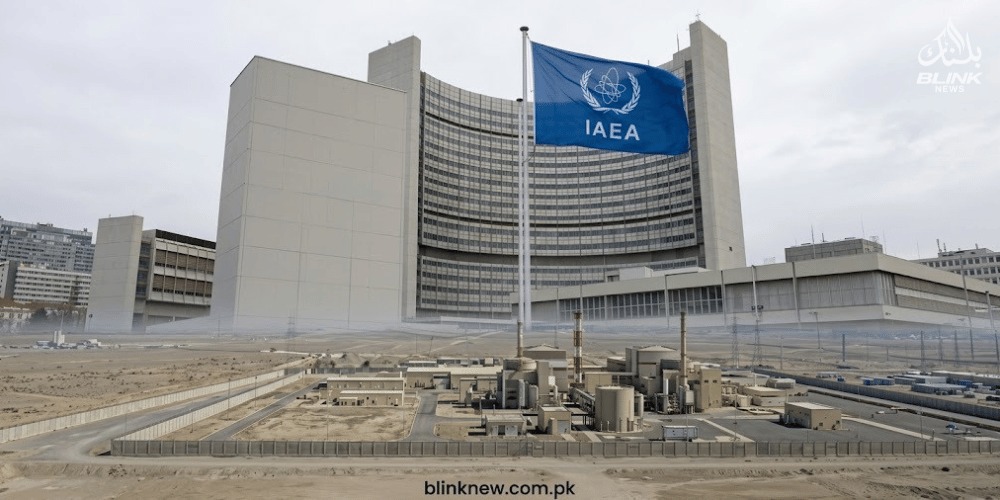
The International Atomic Energy Agency’s governing board has voted to refer Iran’s nuclear file to the United Nations Security Council for the first time in two decades, sharply escalating an already volatile dispute over Tehran’s nuclear activities and access for international inspectors.
The 35-nation IAEA Board of Governors approved the resolution on Wednesday, with 23 countries voting in favor. Russia, China and Niger opposed the measure, while eight members abstained and one did not vote. The resolution was backed by the United States, Britain, France and Germany.
The move centers on Iran’s failure to provide the IAEA with sufficient access and information concerning uranium traces discovered at previously undeclared sites. The agency has also been unable to fully verify the status of Iran’s enriched-uranium stockpile following military strikes on Iranian nuclear facilities.
The IAEA previously estimated that Iran possessed 440.9 kilograms of uranium enriched to 60% before the attacks. Material at that level is below weapons-grade enrichment but could, if further enriched, provide enough uranium for several nuclear weapons, according to the agency’s calculations. Iran insists its nuclear program is peaceful and denies seeking nuclear weapons.
Tehran has criticized the IAEA action as politically motivated and argued that continuing military conflict has made normal inspections impossible. Iranian authorities have also objected to inspections of facilities damaged by attacks.
The referral does not automatically mean new sanctions or military action. Any substantive Security Council measures could face resistance from Russia and China, both permanent members with veto power.
Nevertheless, the decision represents the most significant international diplomatic escalation over Iran’s nuclear program in years, increasing pressure on Tehran to restore cooperation with the IAEA while raising fears of another confrontation over its nuclear ambitions.